The key facts
- Sample collection began in the summer of 2026; by early November about 500 samples had been collected in Tashkent and Karakalpakstan
- Sample collection began in the summer of 2026; by early November, about 500 samples had been collected in Tashkent and Karakalpakstan
- By 2028, 1,000 genomes are to be sequenced, with 3,000 samples planned for the first stage overall
- By 2028, 1,000 genomes are planned to be sequenced, with 3,000 samples in total at the first stage
- The Center is developing a DNA chip for screening carriers of hereditary diseases
National Genome Database
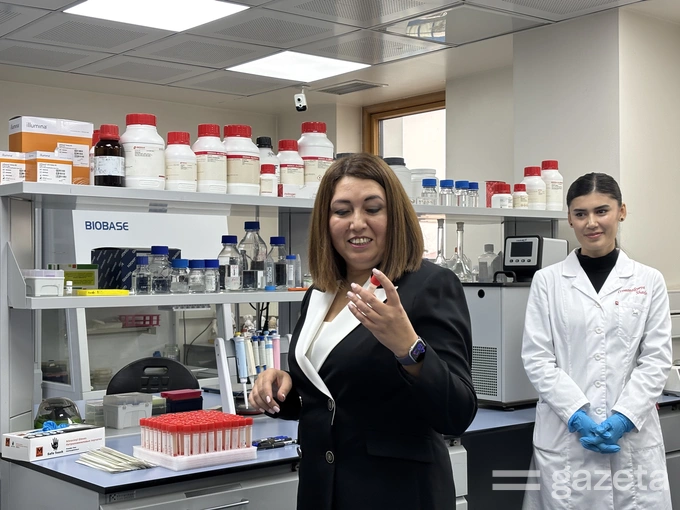
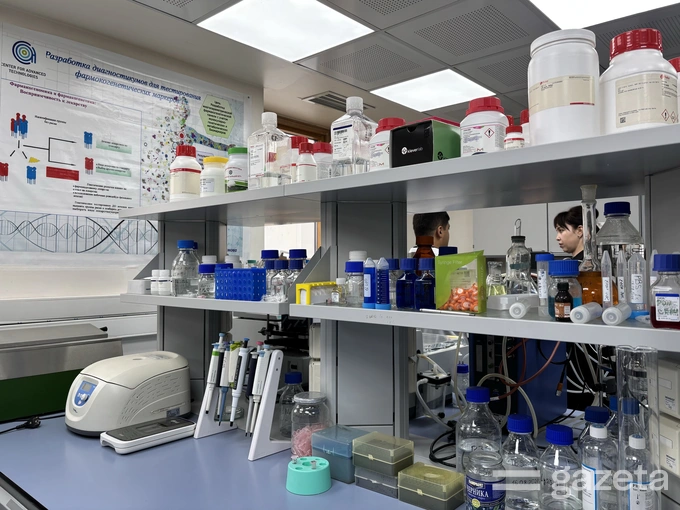
The Center for Advanced Technologies in Tashkent has launched the '1000 Genomes of Uzbekistan' project: scientists are collecting blood samples from residents of different regions to determine which genetic variants are common in the country and to combine the results into a national database. Gazeta reports on the progress of the work in a feature story from the Center.
Why a reference of one's own is needed
The project was prompted by observations made by the researchers themselves: while analyzing genomes, they found that some genetic markers used to assess disease risk differ in residents of Uzbekistan from those described in other populations. Alisher Abdullayev, head of the Center's molecular genetics laboratory, explains that most genetic tests and risk-assessment models are based on data from European and North American populations, and the frequency of variants differs among peoples — so results of tests designed for one group are not always equally accurate for another. According to him, the country needs its own reference genome to refine genetic panels and therapeutic approaches.
How the collection is going
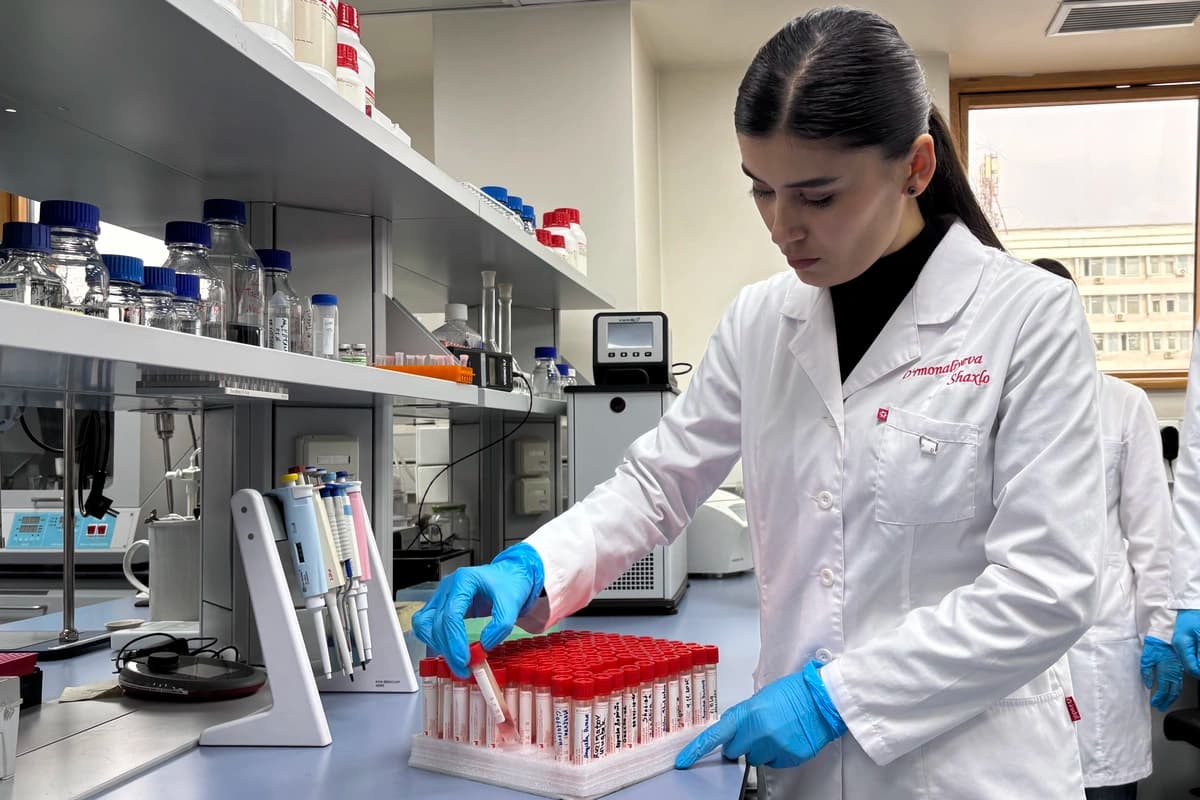
Sample collection began in the summer of 2026. By early November, about 500 samples had been collected in Tashkent and Karakalpakstan; work is now underway in the Fergana Valley, followed by the Khorezm, Bukhara and Samarkand regions, with the intention of covering all regions. The Ministry of Health is assisting the Center. Participation is voluntary: blood is drawn with consent at multidisciplinary polyclinics, mostly from young people undergoing a medical examination before marriage registration; participants fill out a 60-question questionnaire about their health and lifestyle. In the first stage, 3,000 samples are to be collected over two years, and the first thousand genomes are expected to be sequenced by 2028. Abdullayev notes that for large population studies the minimum threshold is 5,000 people, so the study is intended to expand even after the first thousand samples. Personal data will be stored in Uzbekistan; publications plan to use aggregated statistics, and the transfer of personal information to other organizations — only with the participant's consent.
Applications in medicine
In the future, the project's data could be used to assess disease predisposition through polygenic risk scores — for example, for type 2 diabetes and coronary heart disease — which take into account combinations of variants rather than individual mutations. As the scientist emphasizes, genetic predisposition by itself does not mean a person will necessarily fall ill: it must be considered together with lifestyle and health status. A separate area is screening for carriers of hereditary diseases: if both parents carry the same recessive variant, the probability of having a child with the disease is 25% with each pregnancy. For such screening, the Center is developing a DNA chip that should make testing more affordable; those interested will also be able to obtain a genetic passport. Later, the database may also prove useful in selecting drugs and vaccines, since genetic traits affect how medications are absorbed.
The context of other countries
When developing the project, Uzbek scientists studied foreign experience. In the United Kingdom, from 2006 to 2010, participants were recruited for UK Biobank, which now holds data on about 500,000 people, including genetic information and health records. In the USA, similar data are collected by the All of Usprogram: as of June 2026, information has been obtained on more than 747,000 participants, including genomic sequences of over 535,000 people. The goals and structure of these projects differ, but all of them expand knowledge about the genetic diversity of populations.