The key facts
- The LAM-GTD project brings together DLR, NASA and CSA to develop lunar greenhouses
- The demonstrator will first be built on Earth; a decision on an actual build is expected by 2032
- DLR draws on the experience of the EDEN ISS greenhouse in Antarctica, where about one ton of vegetables was harvested between 2018 and 2023
Greenhouses for the Moon: the international LAM-GTD project
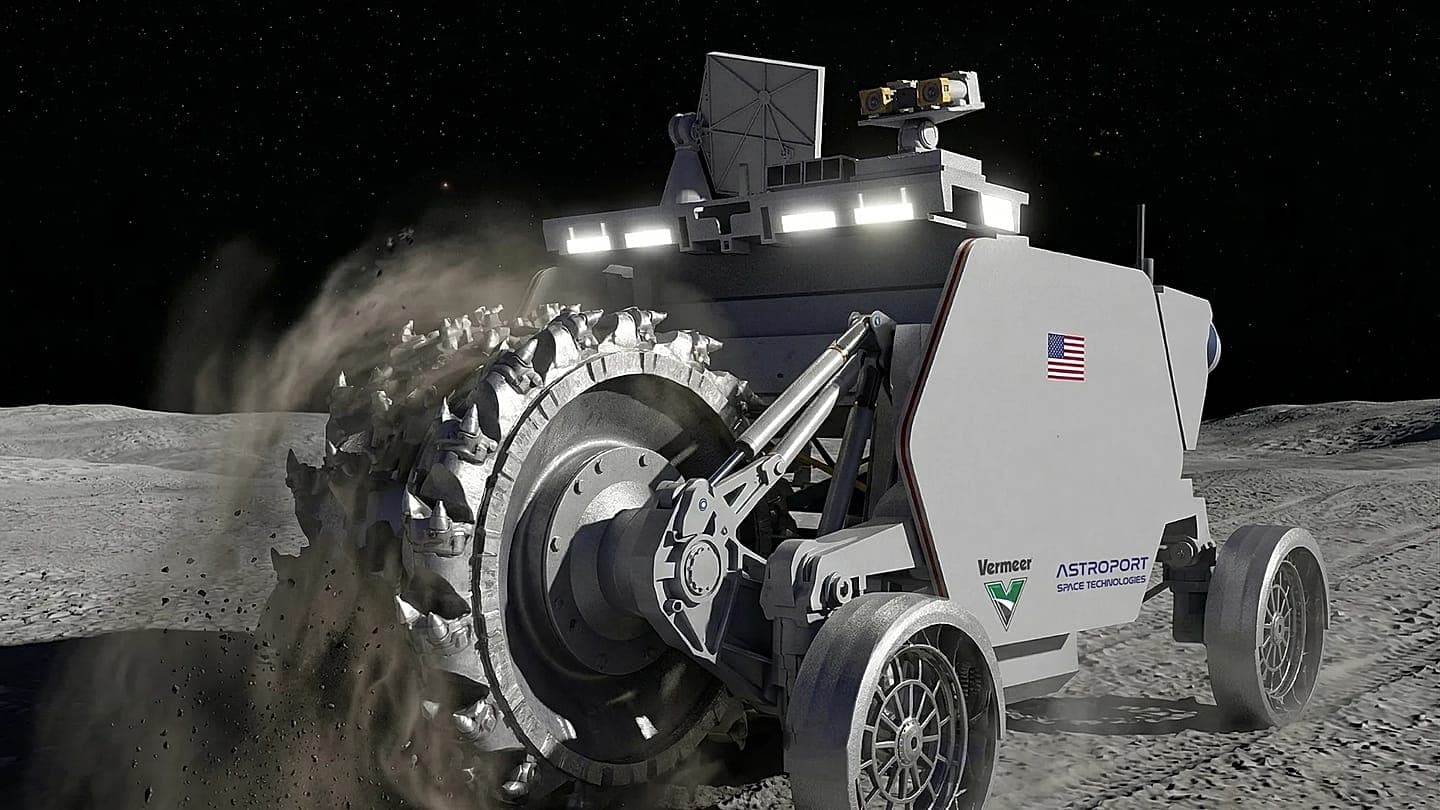
The German Aerospace Center (DLR), together with NASA and the Canadian Space Agency (CSA), is working on greenhouse concepts for the Moon as part of the Lunar Agriculture Module — Ground Test Demonstrator (LAM-GTD) project, as reported by Euronews. The goal is to provide participants of future long-duration lunar missions with fresh food in conditions where there is no breathable atmosphere, fertile soil, or accessible water: temperatures on the Moon fluctuate dramatically, the surface is virtually airless, and cosmic radiation is dangerous. For this reason, the focus is on controlled growing systems independent of natural conditions, rather than planting crops directly in lunar soil.
A ground demonstrator and a decision by 2032
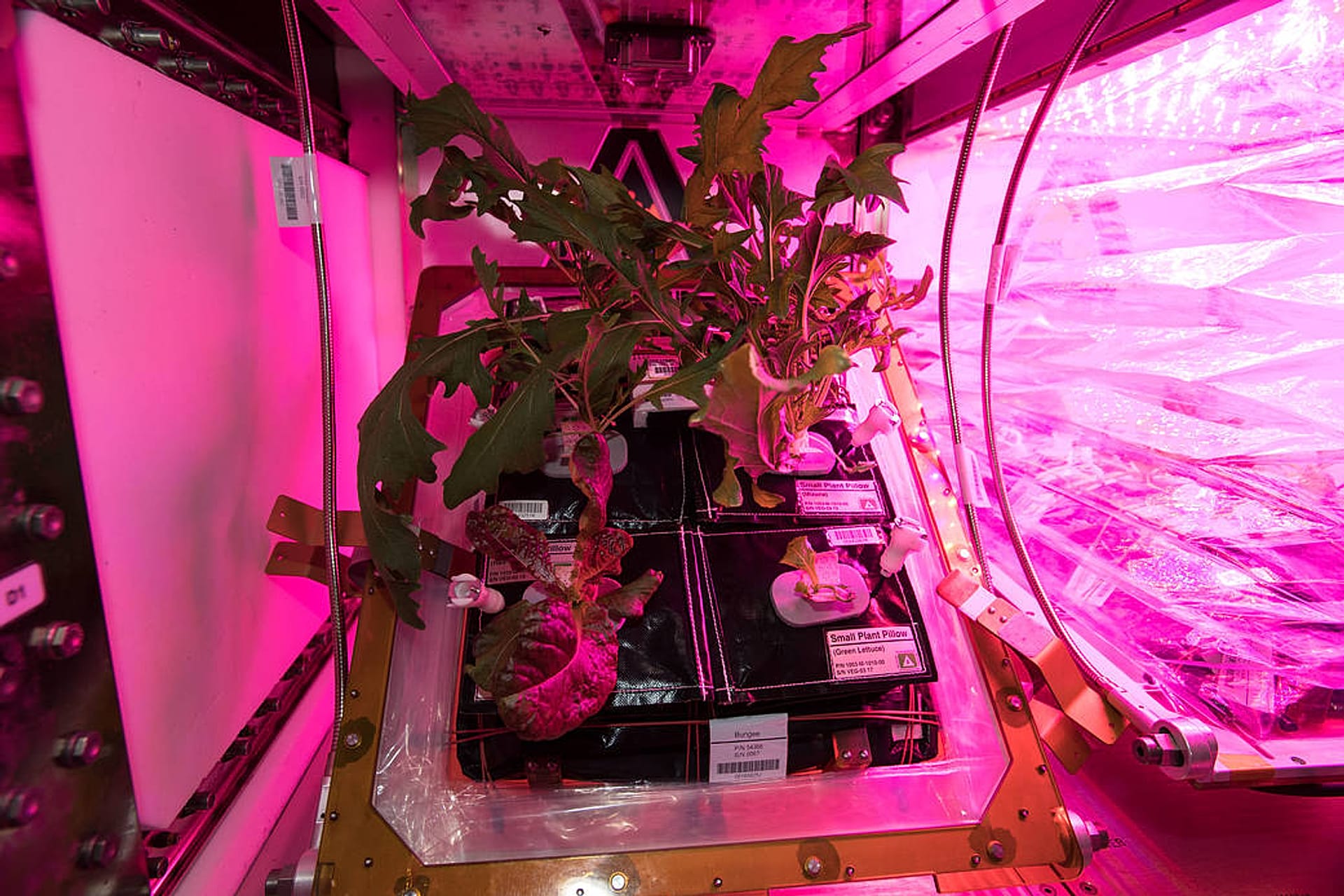
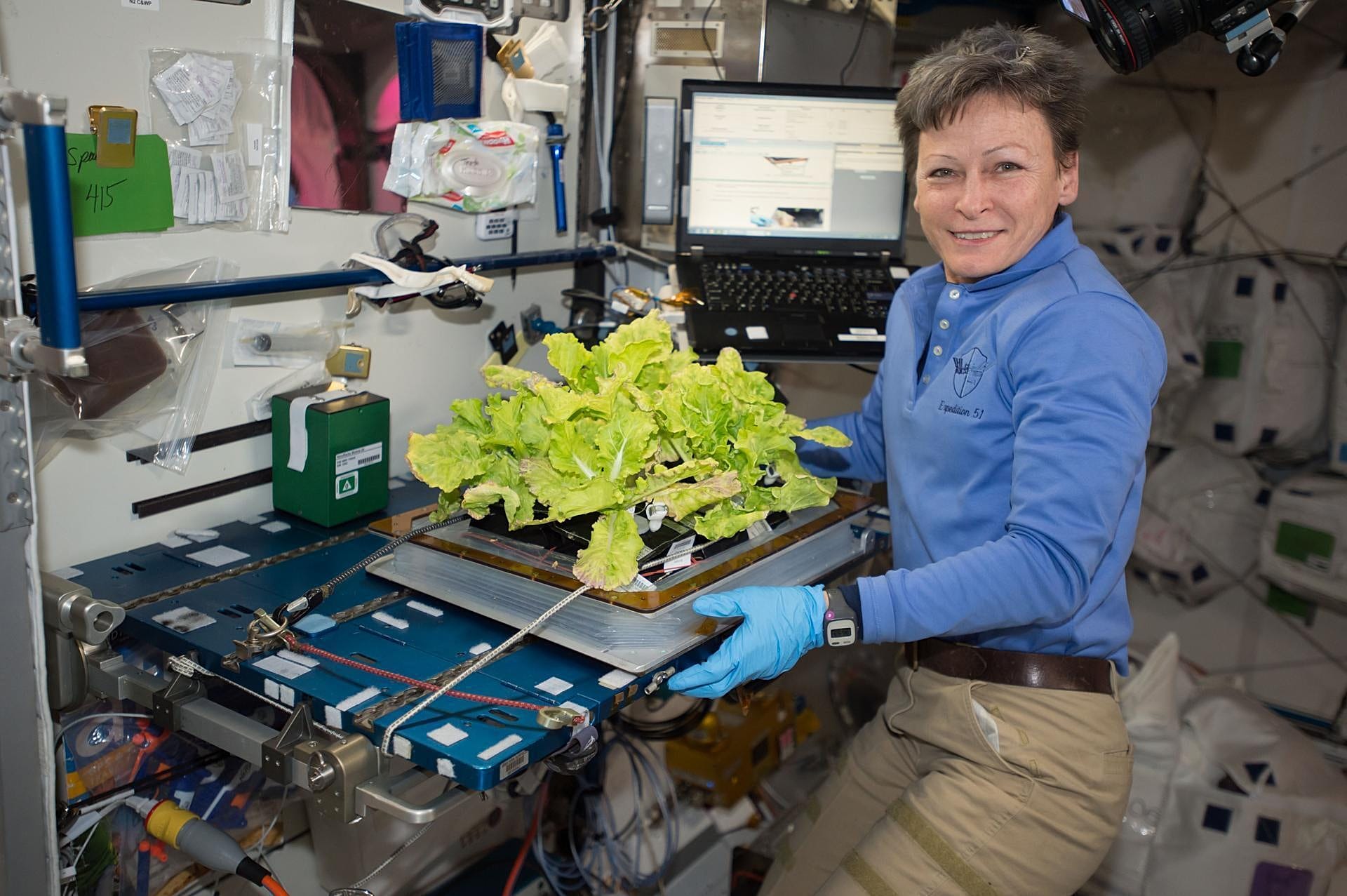
The planned demonstrator will first be built entirely on Earth. By 2032, the partners intend to decide whether it will actually be built and in what form. The plan is to directly connect the greenhouse module to a simulated living and working sector for astronauts — this way, researchers will be able not only to study plant growth but also to test how the greenhouse and the habitation module support each other with resources. This marks a transition from small experimental units on the ISS, where NASA has already grown lettuce, Chinese cabbage, and chili peppers, to significantly larger systems capable of supplying entire crews.
Antarctic experience and division of roles
DLR draws on the experience of the EDEN ISS greenhouse: from 2018 to 2023, researchers operated it in Antarctica, several hundred meters from the German Neumayer III station, growing lettuce, tomatoes, cucumbers, radishes, and strawberries without soil or sunlight — a total of about one ton of vegetables. Within the project, DLR contributes expertise in space research and greenhouse systems, NASA lays the groundwork for lunar missions and a long-term human presence on the Moon, and CSA adds experience with technologies for crewed missions. The authors of the publication also note terrestrial applications: technologies of this kind for saving water, energy, and space could prove useful in arid regions and areas with limited water resources.