The key facts
- Psychologist Alena Leonova linked prolonged isolation to a decline in psychological and physical well-being
- According to her, the circle of contacts often shrinks after dismissal from a job or retirement
- Research mentioned by Leonova links social isolation to possible changes in brain tissue
Loneliness and the state of the body
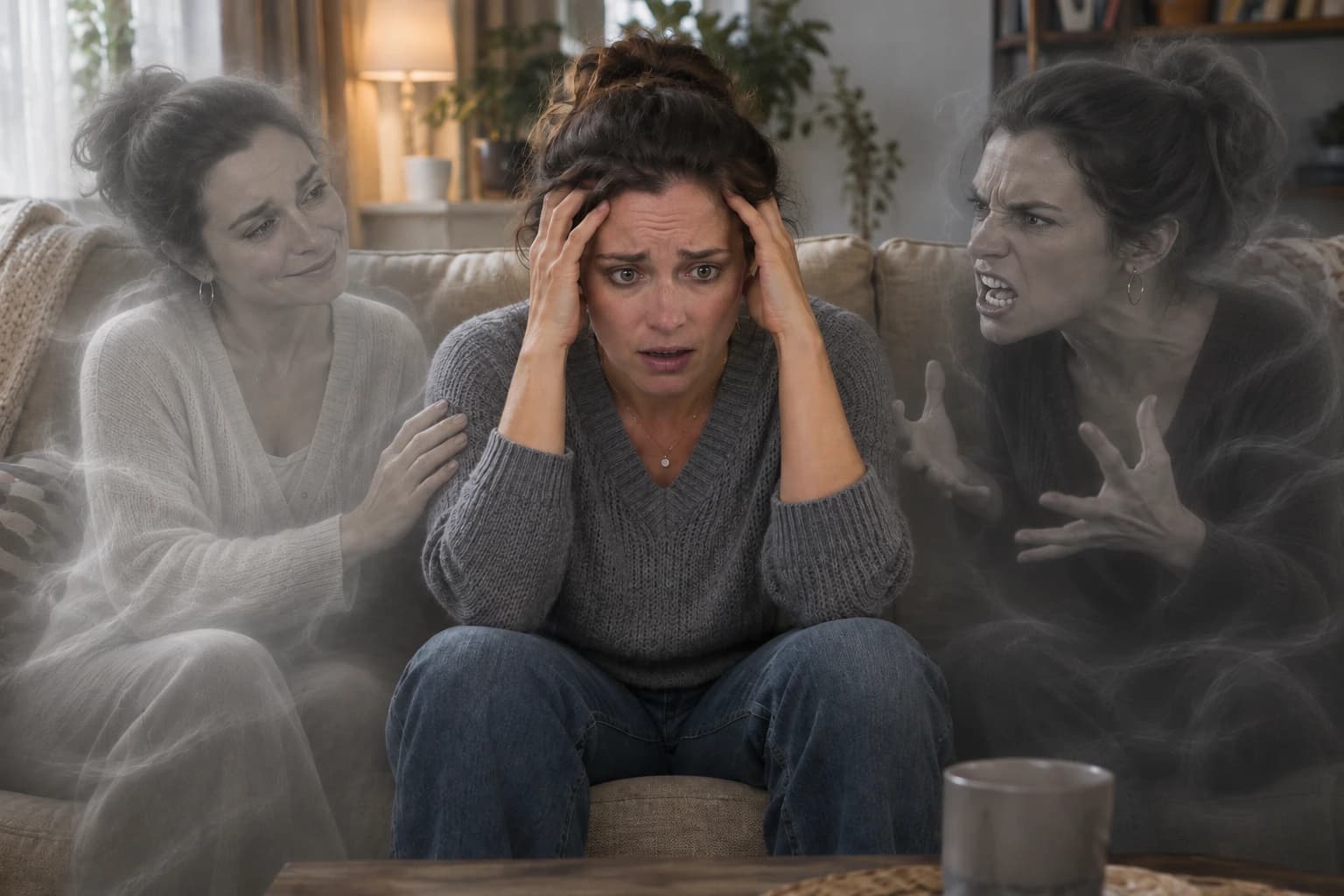
Prolonged lack of communication can negatively affect both one's psychological state and overall health. Family systems psychologist Alena Leonova told Pravda.Ru about this; a summary of her words is provided by Gazeta.Ru.
Why isolation takes a toll on well-being
Leonova emphasized that mental and physical states are interconnected: worries and changes in emotional background are reflected in the body. Although in a modern city a person is able to meet everyday needs on their own, prolonged isolation does not correspond to their need for social contact, and the habit of avoiding others can deepen a depressed state. 'We are social beings, and humans in general cannot survive alone. This is how it has historically developed: people survived only together with others like themselves. And even now our psyche still needs communication,' explained the psychologist.
Who is at risk
According to Leonova, emotional balance depends not only on close relationships but also on everyday encounters with people. One's social circle often shrinks after being dismissed from a job or retiring: if a person loses the sense of their own importance and being needed, this can negatively affect their condition. She also noted that research links social isolation to possible changes in brain tissue. Work and participation in shared activities, she explained, help maintain a familiar routine and a sense of responsibility, so regular activities, social roles and caring for loved ones can help sustain engagement in life.