The key facts
- Plastic traps moisture from the crust of warm bread, creating an environment for mold and bacteria
- Paper absorbs excess moisture, but bread goes stale faster in it
- Tip: transfer bread to paper or do not tie the bag tightly
Why plastic speeds up bread spoilage
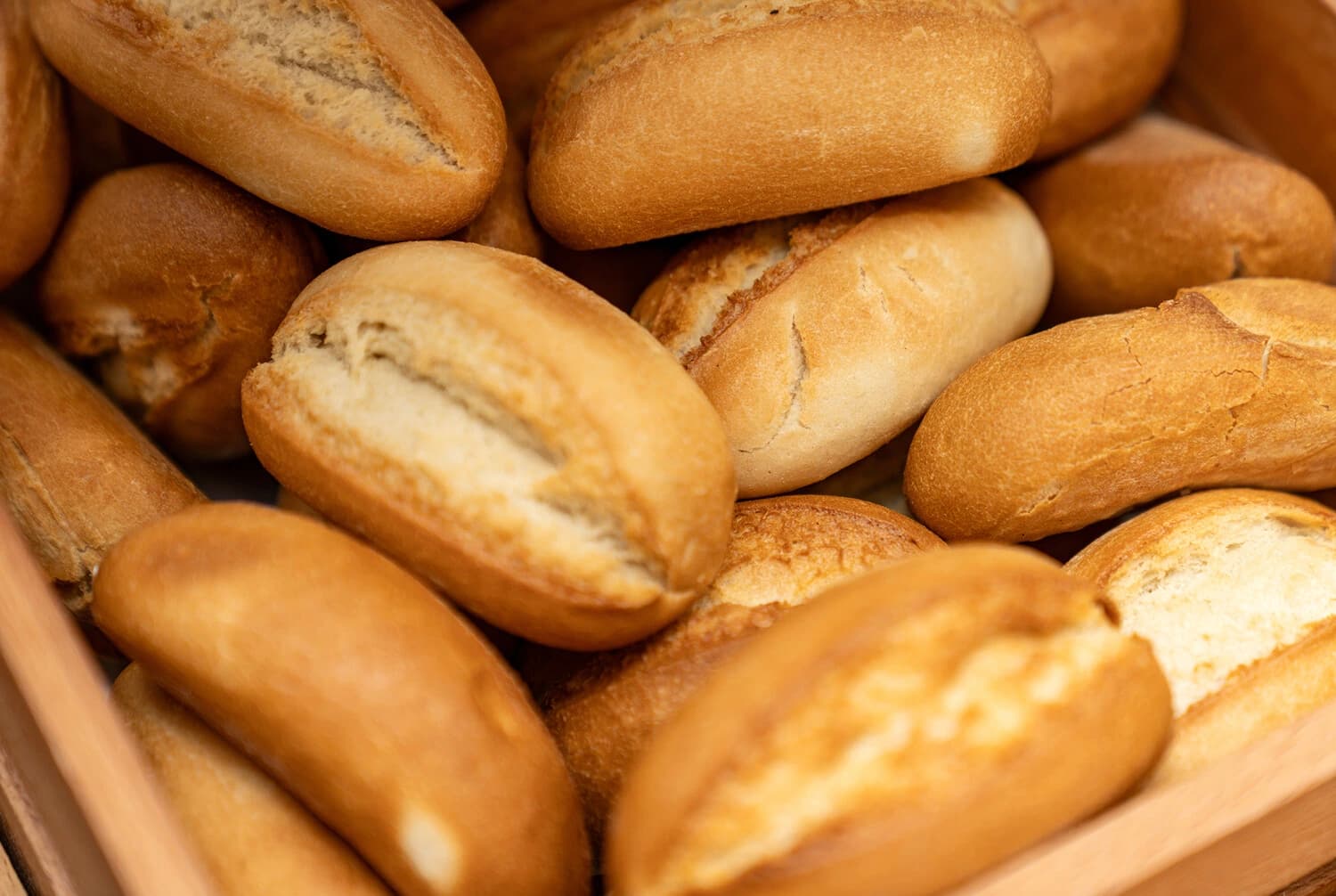
Storing bread in a plastic bag is riskier than in paper because it molds faster. This was reported to Gazeta.Ru by Alexander Sysuev, a lecturer at the Department of Biotechnology and Industrial Pharmacy of RTU MIREA. According to him, polyethylene barely lets air and water vapor through: moisture evaporating from the crust of fresh or still warm bread stays inside, creating a closed environment with high humidity and temperature — conditions suitable for the growth of mold fungi and bacteria. Spores that land on the bread's surface after baking from the air, equipment, hands and surfaces germinate much faster in such a 'greenhouse'.
Why paper is better and what is recommended
A paper bag, unlike a plastic one, lets moisture and air through, so condensation does not accumulate inside, and the paper also absorbs excess moisture from the crust — this slows down the growth of microorganisms. Sysuev also noted the downside: in plastic, bread stays soft longer, while in paper it goes stale sooner. Another nuance is temperature: if warm bread is put into a bag, molding accelerates many times over, so the specialist advises letting the loaf cool completely before packing it. The practical recommendation is this: bread bought in plastic is best transferred right away to a paper bag, a fabric pouch or a ventilated bread bin; if that is not possible, at least do not tie the bag tightly, leaving access to air.