The key facts
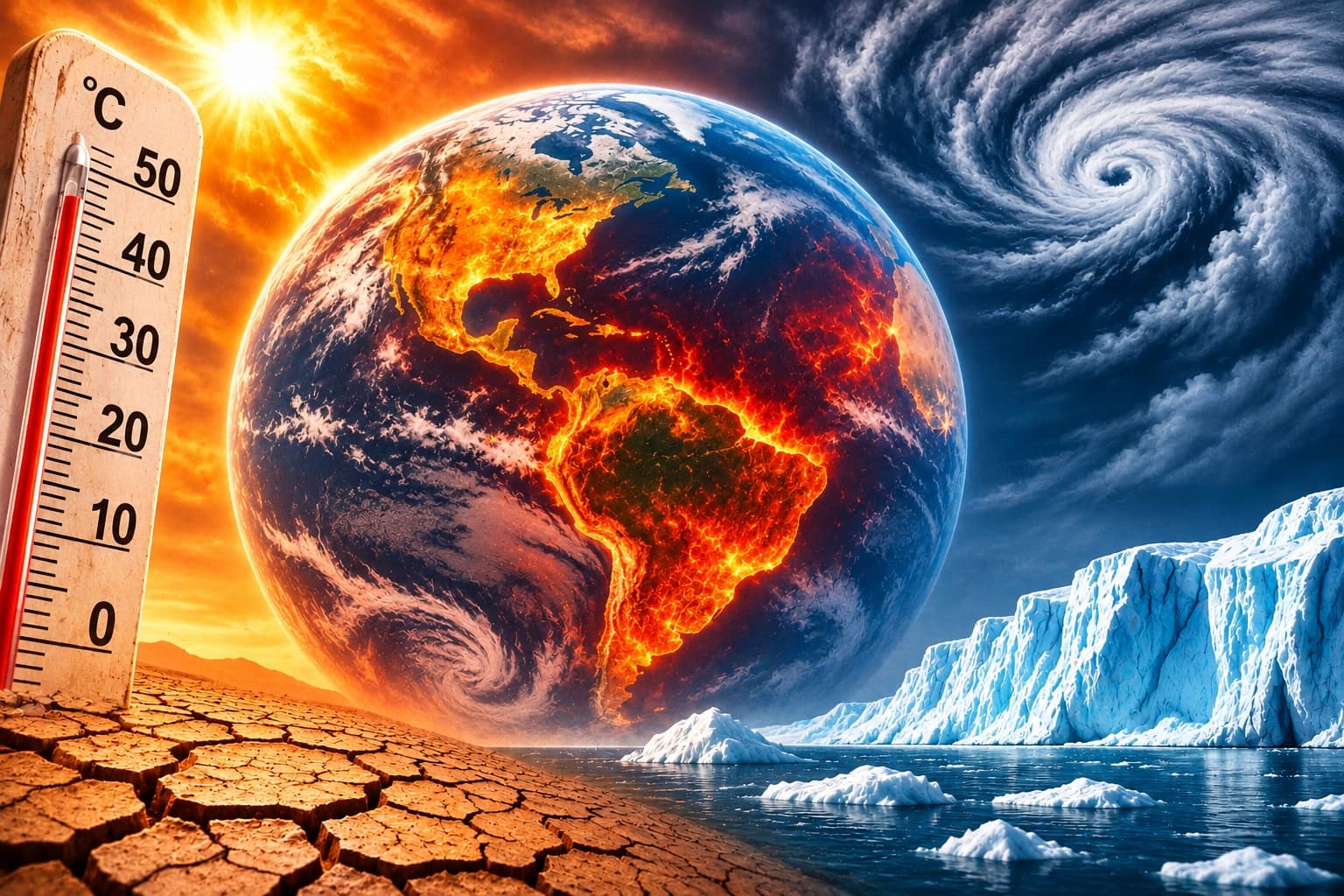
- According to the WMO forecast, El Niño could become the strongest on record by December and last until early 2027.
- The average global temperature from January to September was approximately 1.47 °C above pre-industrial levels.
- The number of countries with multi-hazard early warning systems rose from 56 in 2015 to 136 in 2025.
A warning at the climate conference
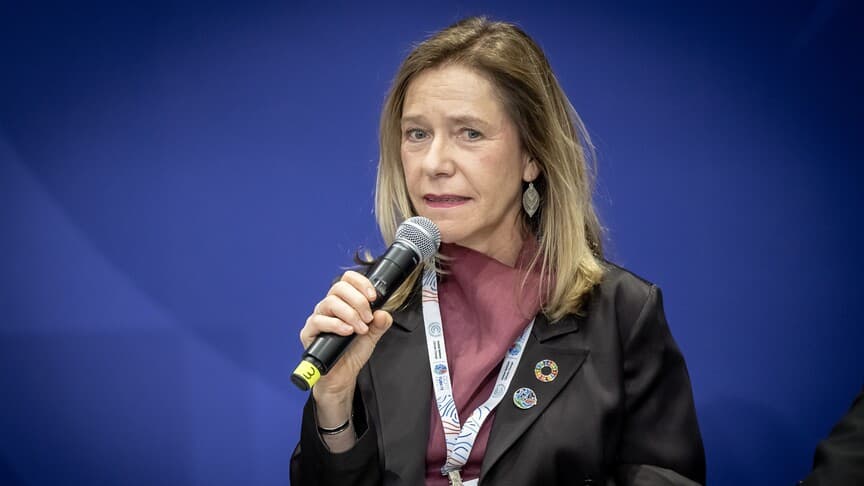
El Niño could intensify heat-related illnesses, infectious disease outbreaks and air pollution through 2027, warned Celeste Saulo, Secretary-General of the World Meteorological Organization (WMO), on Monday. Speaking at a briefing at the COP31 conference in Antalya, she noted that above-average temperatures pose health threats that go beyond the direct effects of extreme heat.
Regional risks depend on rainfall
“We are also talking about outbreaks of dengue fever, outbreaks of malaria,” Saulo said, explaining that the risks will vary depending on regional rainfall patterns. According to her, a hot and dry season means wildfires, and with them poor air quality. The WMO is working with the World Health Organization to translate weather event messages into clear warnings about health consequences.
Data from the WMO report
According to the WMO report State of the Climate Update 2026, El Niño is expected to become the strongest on record by December and persist until early 2027. The report notes that from January to September the average global temperature was approximately 1.47 °C above pre-industrial levels, and El Niño's greatest impact on global temperatures usually occurs in the year after it forms. “We are rocking our weather, and El Niño will become a risk multiplier,” Saulo said, warning that heatwaves, tropical cyclones and heavy rains are intensifying faster than historical baselines suggested.
Health, food and preparedness measures
The report warns that extreme heat, droughts and heavy rainfall could worsen food insecurity and alter the risks of infectious diseases, including cholera, malaria and dengue fever. According to preliminary estimates cited in the report, more than 30,000 excess deaths in Europe are associated with heatwaves, droughts and wildfires. Saulo noted preparations in South America, including the advance construction of shelters in case of possible flooding, as well as the use of weather forecasts for agricultural decisions. Separately, the report highlighted progress in developing early warning systems: the number of countries reporting multi-hazard systems grew from 56 in 2015 to 136 in 2025.