The key facts
- Kellanova is changing the recipe for Rice Krispies and Coco Pops for the UK and European markets: whole rice grain is being replaced with corn flour and rice flour
- The current El Niño ('Super El Niño') is developing as the most powerful and warmest on record; sea temperatures in parts of the Pacific Ocean have exceeded 3 °C
- Food security and rice are under threat: the issue has been placed on the agenda of COP31, which opened on November 9 in Antalya
Cereal without whole rice
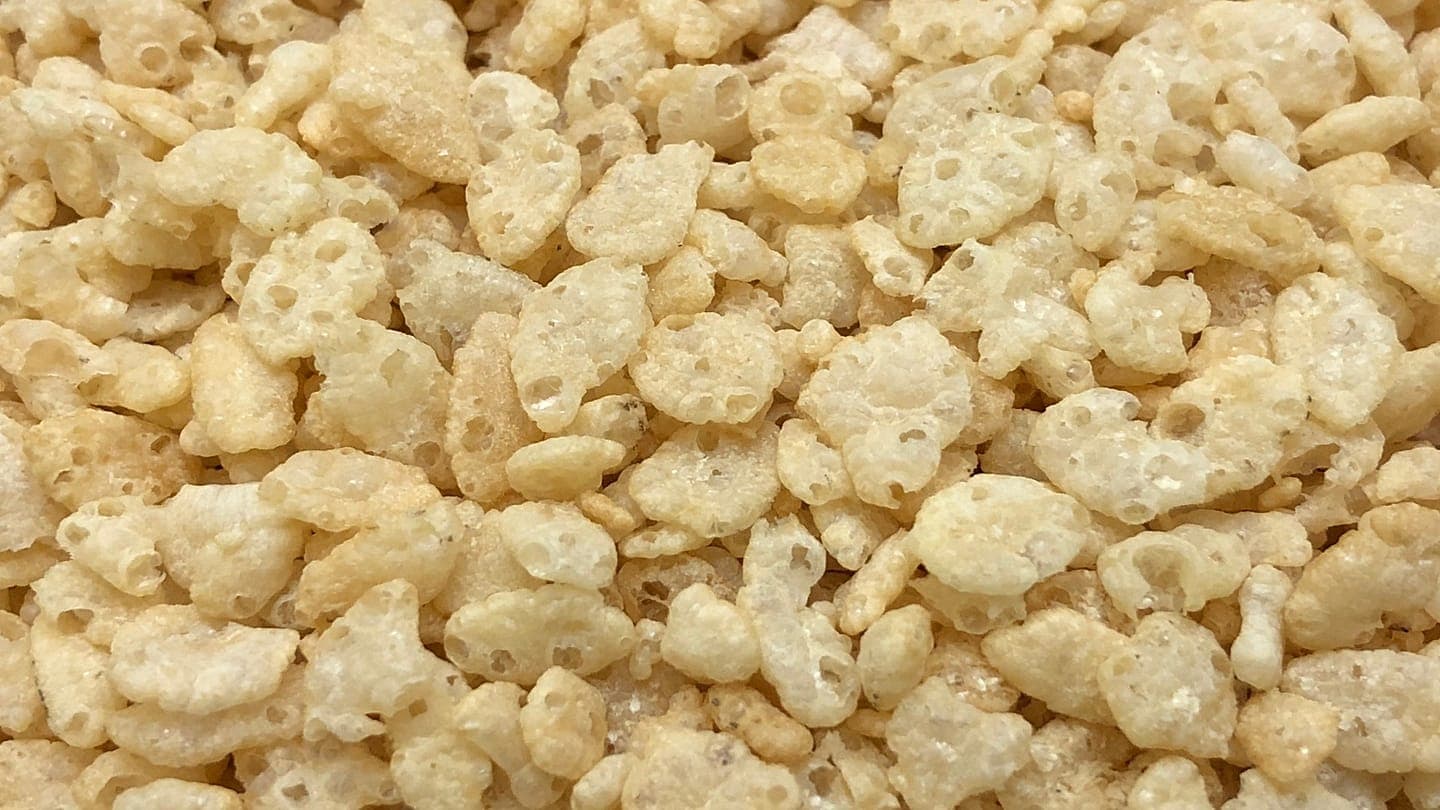
Kellanova, the British maker of the iconic Kellogg's cereals, is changing the recipe for Rice Krispies and Coco Pops: as a company spokesperson announced last week, the cereals will no longer be made from whole rice grain — instead, the ingredients will include corn flour and rice flour. In its statement, the company explained this by the need to 'maintain consistent quality at a time when changing weather conditions are affecting the quality and availability of some of the rice and grains we use in our cereals.' This is reported by euronews.
What lies behind the change of ingredients
The 'changing weather conditions' cited by Kellogg's refer to El Niño, a natural climate phenomenon that is intensifying in 2026 against the backdrop of climate change. The current episode, sometimes called 'Godzilla' or 'Super El Niño,' is developing as the most powerful and warmest on record: according to the WMO, sea temperatures in parts of the Pacific Ocean have already exceeded 3 °C and are likely to rise even higher. According to Copernicus, 2026 will 'almost certainly' exceed the 1.5 °C mark above pre-industrial levels — the second such calendar year after 2024.
Consequences around the world
The effects of the phenomenon are already visible in various regions: in El Salvador, drought has deprived livestock of grass; heavy rains have caused flooding in Argentina, Paraguay, Uruguay and Chile; and in Indonesia, the worst forest fire season since 2015 has blanketed much of Southeast Asia in toxic smog. In South and Southeast Asia, water shortages and heat are hitting rice cultivation; according to the FAO, rising fertilizer prices caused by the war in Iran have forced farmers to cut rice plantings this year. Researchers at the IHE Delft Institute in the Netherlands warn that disruptions to corn and bean supplies could threaten global food security; coffee, cocoa, sugar, palm oil and rice are also at risk.
Who will be affected by the recipe change
For now, the new recipe will only affect the UK and European markets — consumers in the US and Canada will still receive cereals made from whole rice grain. On social media, buyers are already complaining that Rice Krispies have lost their signature crunch, and some believe the quality has deteriorated despite Kellogg's assurances that the cereals remain the same. The issue of food supplies is on the agenda of COP31, which opened on November 9 in Antalya (Turkey): one day of the summit is entirely devoted to agriculture and food systems.