The key facts
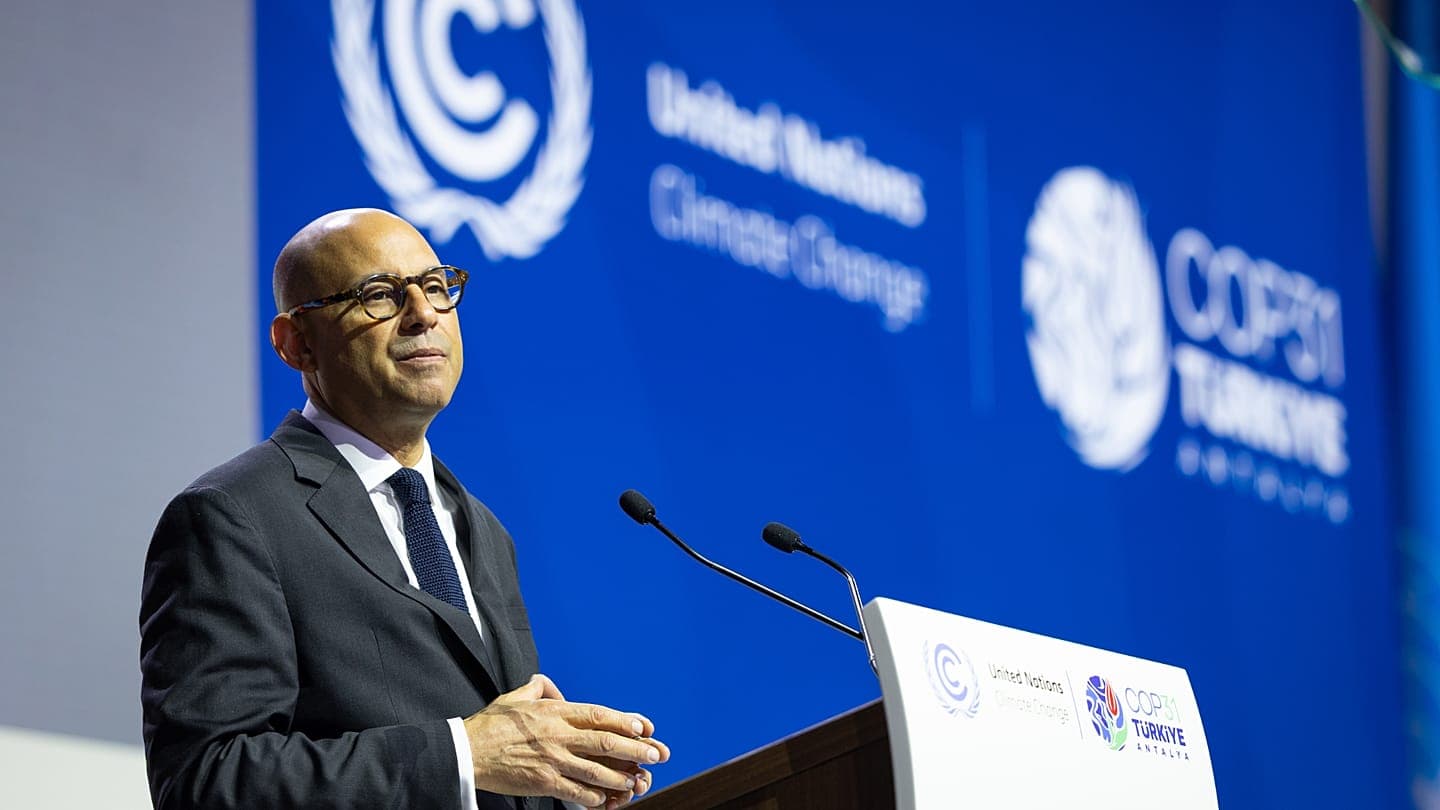
- At COP31 in Antalya, Simon Stiell called the climate crisis “a global health crisis of pandemic scale”
- Lancet Countdown 2026 links the burning of fossil fuels to 3.3 million deaths annually from air pollution and heat
- On November 9 the WMO published a report: the last 12 years were the warmest, with four years including 2026 being the four hottest
Health takes center stage at COP31
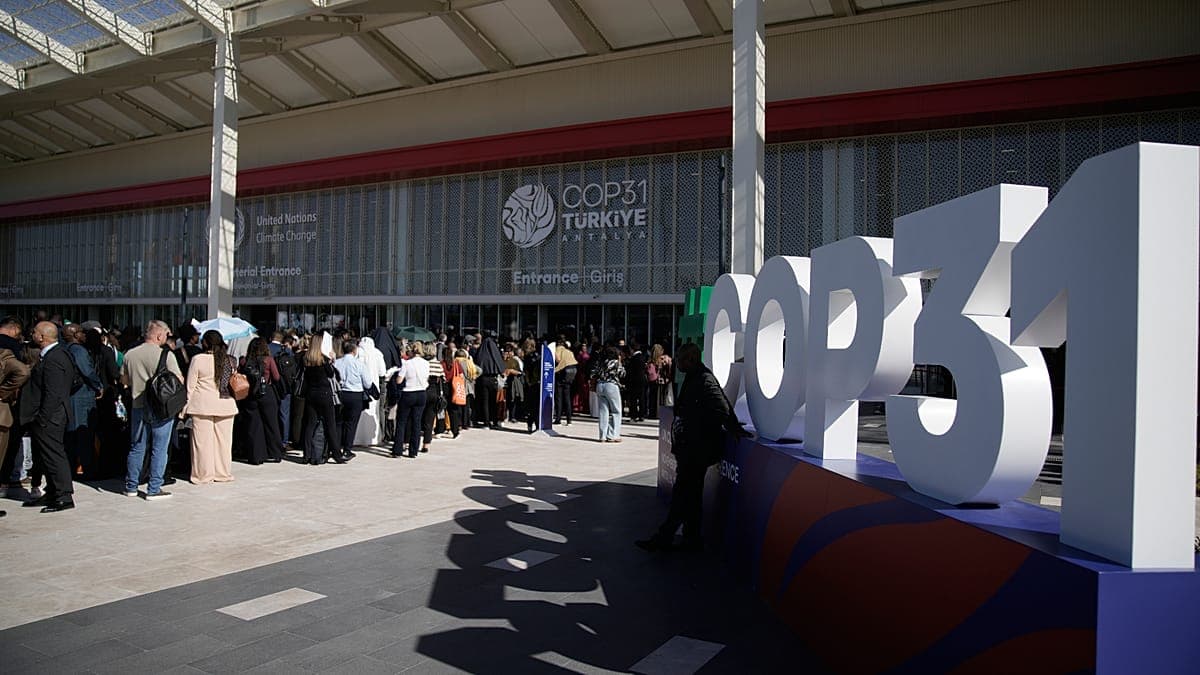
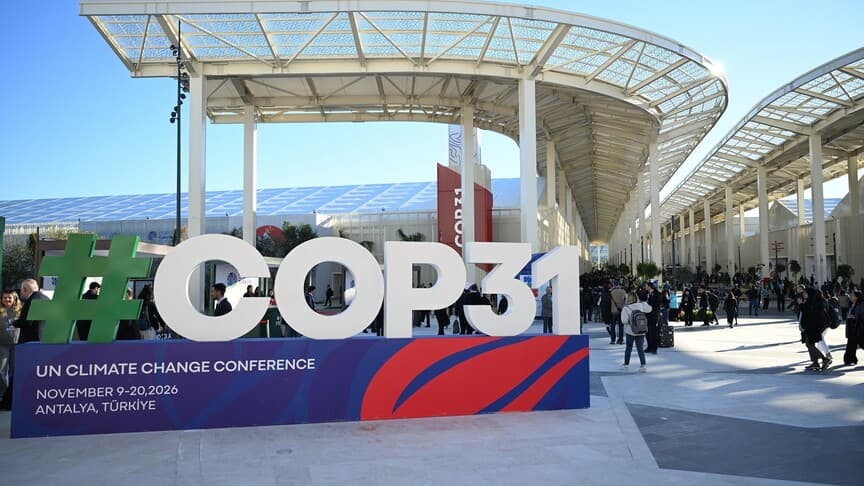
The UN climate summit COP31 has opened in Antalya (Turkey), running from November 9 to 20. According to UN Executive Secretary for Climate Change Simon Stiell, the health consequences of climate change are at the center of discussions, and health will once again be one of the summit's key themes. “The climate crisis is now a global health crisis of pandemic scale,” Stiell said, noting that climate disasters strike health systems and infrastructure.
The figures and health risks
According to the Lancet Countdown 2026, the burning of fossil fuels and human-caused climate change are linked to roughly 3.3 million deaths a year — due to outdoor air pollution and extreme heat. A new report by the World Meteorological Organization, published on November 9, states that the past 12 years have been the warmest on record, and the last four years, including 2026, have been the four hottest. Rising temperatures, drought and heavy rainfall contribute to heat-related illness and mortality, wildfire smoke, malnutrition and food shortages, injuries, and also alter the risks of waterborne and vector-borne diseases — such as cholera, malaria and dengue.
The choice of “electricity or shock” and demands for adaptation plans
Stiell framed a dilemma for conference participants: “At this COP, countries face a choice: electricity or shock. Either move the world economy into the electric age, or accept the constant pain of fossil fuel costs for families, businesses and governments — and, of course, that applies to health systems too.” In his words, “climate risks find every vulnerability in the health system and widen it” — from power outages to disruptions in water treatment. He called for health ministries to take part in discussions on adaptation measures, and for every national adaptation plan to answer key questions: can clinics operate during a heatwave, do they have safe water after a flood, can health workers detect a disease outbreak before it spreads, and will the groups at greatest risk receive the care they need. At the same time, Stiell stressed, adaptation is not the only answer: “No health system can be made resilient to a world that keeps heating up endlessly” — which is why health must be built into the development of climate plans, financial decisions and progress assessments.