The key facts
- Chancellor Friedrich Merz has backed Ilse Aigner's candidacy for President of Germany
- The Federal Convention election will be held on January 30, 2027, where the governing coalition holds a majority
- Aigner could become Germany's first female president
Merz names his favorite for the presidency
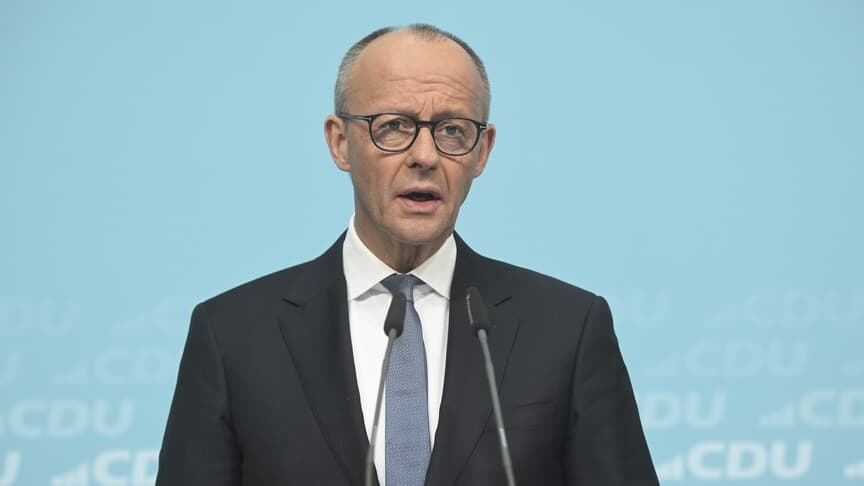
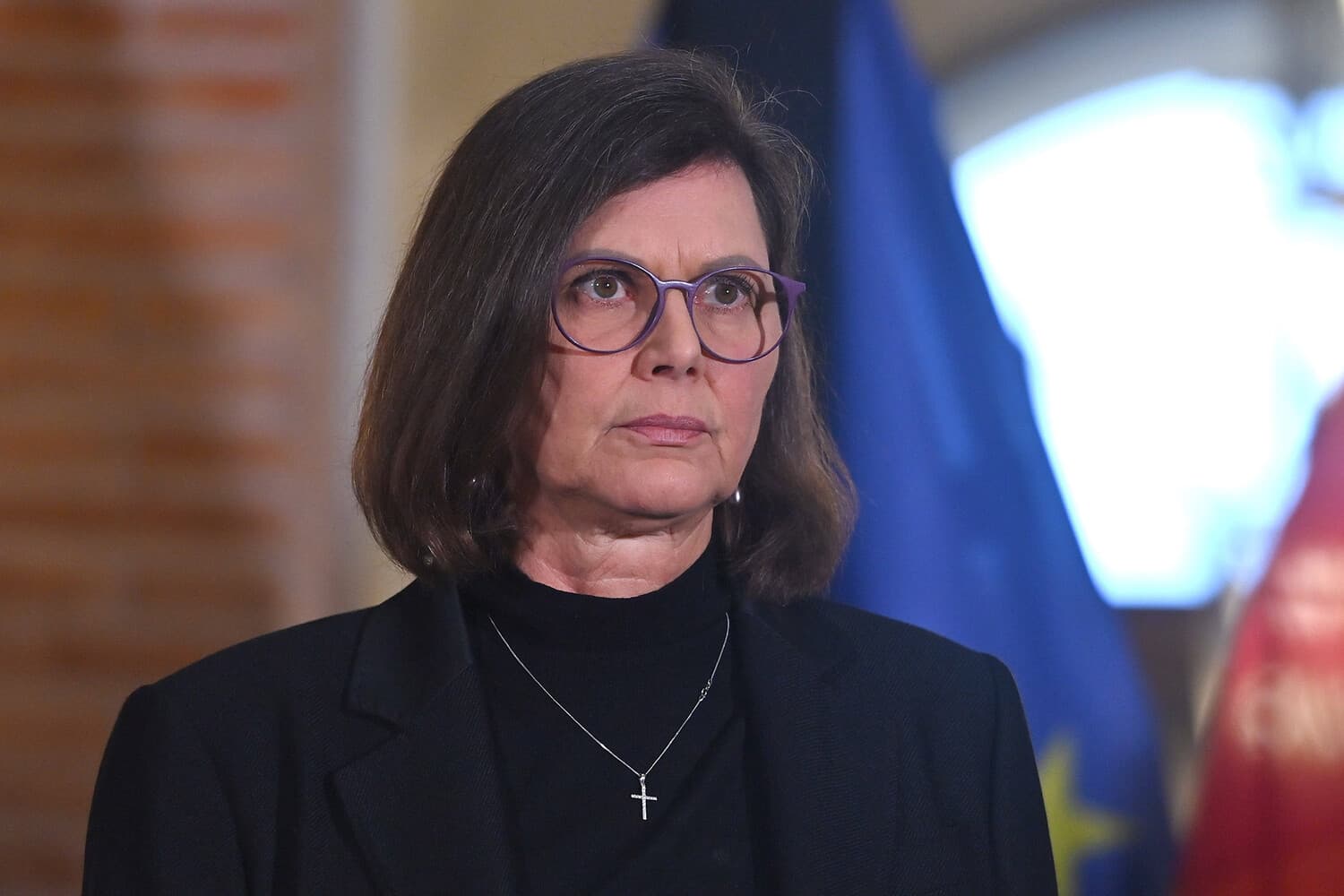
Bavarian politician Ilse Aigner has become the leading candidate to succeed Frank-Walter Steinmeier as President of Germany — a largely ceremonial head-of-state role regarded as the nation's moral authority. As Deutsche Welle reports, it became known over the weekend that Chancellor and CDU leader Friedrich Merz is backing Aigner — a veteran of the sister party CSU and the current president of the Bavarian Landtag.
The election and the balance of power
The Federal Convention — a specially convened body — will gather on January 30, 2027, to elect the next president. Since the CDU, the CSU and their coalition partner, the SPD, hold a majority in the Convention, Aigner's election is considered highly likely. The new president will officially take office in mid-March.
An unusual path into politics
The 61-year-old Aigner is in many ways atypical for German politics, where a law degree often seems to be a prerequisite for a career: she has no university diploma at all. She trained as a telecommunications technician in order to work in the family electrical engineering business, and then spent several years designing electrical components at the helicopter manufacturer Eurocopter. She entered the Bavarian Landtag via the CSU in 1994, sat in the Bundestag from 1998 to 2013, and from 2008 to 2013 served as minister of agriculture and consumer protection under Angela Merkel. She got through that period — marked by lobbyist pressure and food scandals — without any major crises. In 2013 she returned to Bavaria as economy minister, and for the past eight years she has led the Landtag.
Rivalry with Söder and the political subtext
The political paths of Aigner and Markus Söder have long been intertwined: both entered the Landtag in 1994 as its two youngest deputies. Söder's rise — he became Minister-President of Bavaria in 2018 — prevented Aigner from leading the state, but she retains high standing and excellent popularity ratings, remaining, in Deutsche Welle's assessment, a natural rival to the 59-year-old premier. Söder himself openly called her a suitable candidate as far back as April; support was voiced by figures from the CDU and CSU as well as the SPD and the Greens, yet Merz waited for a long time. In October, at a CSU meeting in Munich, the chancellor greeted Aigner by name — and was forced to pause because of the delegates' ovation. The outlet notes that Aigner's nomination would likely close off Söder's path to the chancellorship: the CDU usually contests the CSU's right to nominate a candidate for chancellor and is unlikely to allow two CSU figures at the head of the country, while for Merz himself it would clear the way for a future chancellor from the CDU.
The first woman at the head of state
If the election goes ahead, Aigner will become not only Germany's first female president but also the first head of state who has never been married. Women have been nominated at almost every election since 1999 — from physicist Dagmar Schipanski (the union bloc) to theologian Uta Ranke-Heinemann (PDS) — but all of them were essentially symbolic candidates of small parties with no chance of securing a majority in the Federal Convention. That is why in recent years pressure has grown to finally nominate a woman as the majority's candidate, Deutsche Welle notes. At the same time, the CSU has never given Germany either a president or a chancellor — the regional party participates in national power only through its alliance with the CDU.