The key facts
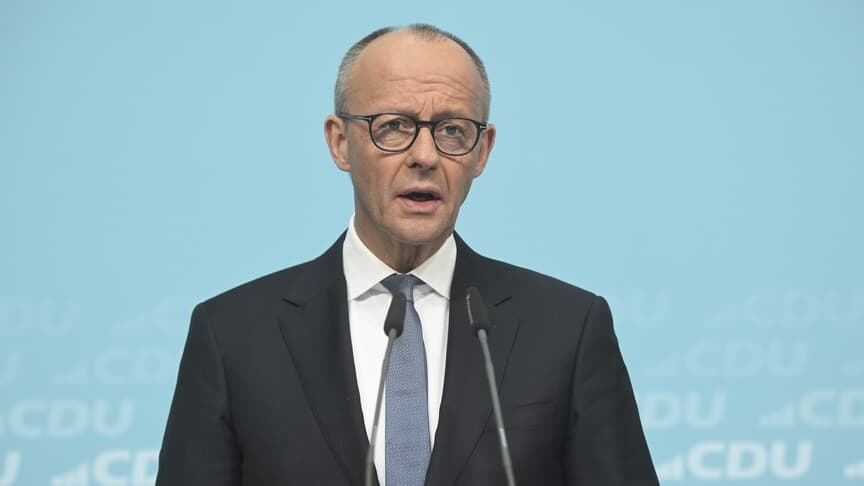
- Chancellor Friedrich Merz endorsed Ilse Aigner's candidacy for President of Germany
- The CDU and SPD, holding a majority in the Federal Convention, supported her nomination
- Alexander Rahr called Aigner 'the most significant woman in the current power nomenclature'
Aigner's candidacy received the coalition's support
On November 9 it became knownthat German Chancellor and CDU leader Friedrich Merz had endorsed Ilse Aigner's candidacy for the post of President of Germany. Aigner holds the post of President of the Bavarian State Parliament. In addition to the CDU, her nomination was also backed by the Social Democratic Party of Germany: together, these parties hold a majority in the Federal Convention — the body that elects the head of state.
A political scientist's assessment
German political scientist Alexander Rahr in an interview with the newspaper Vzglyad linked the choice of candidate to the unwritten norms of the ruling coalition: according to him, the German government has gender rules under which the next head of state should be a woman. He also noted that the post of federal president is a representative one and 'essentially confers no political power,' and that the candidate is nominated by the most influential party in the government, without regard for 'outside contenders who would be closer to the people.' Rahr called Aigner 'the most significant woman in the current power nomenclature.'
Context
Earlier, on October 31, former Chancellor Angela Merkel statedthat the time had come to elect a woman as President of Germany. Aigner's backing by Merz and both ruling parties effectively means that, given the CDU and SPD majority in the Federal Convention, her election remains technically the most likely scenario — although the final decision rests with the electors, and sources have not yet reported on the voting results.