The key facts
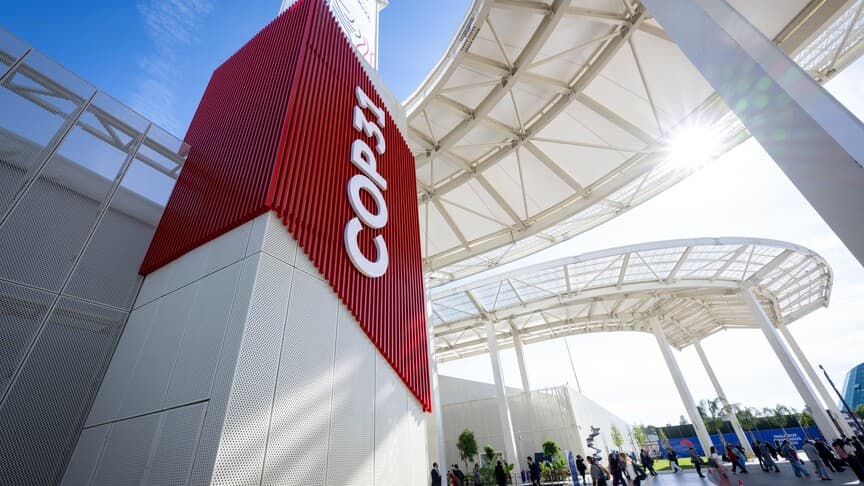
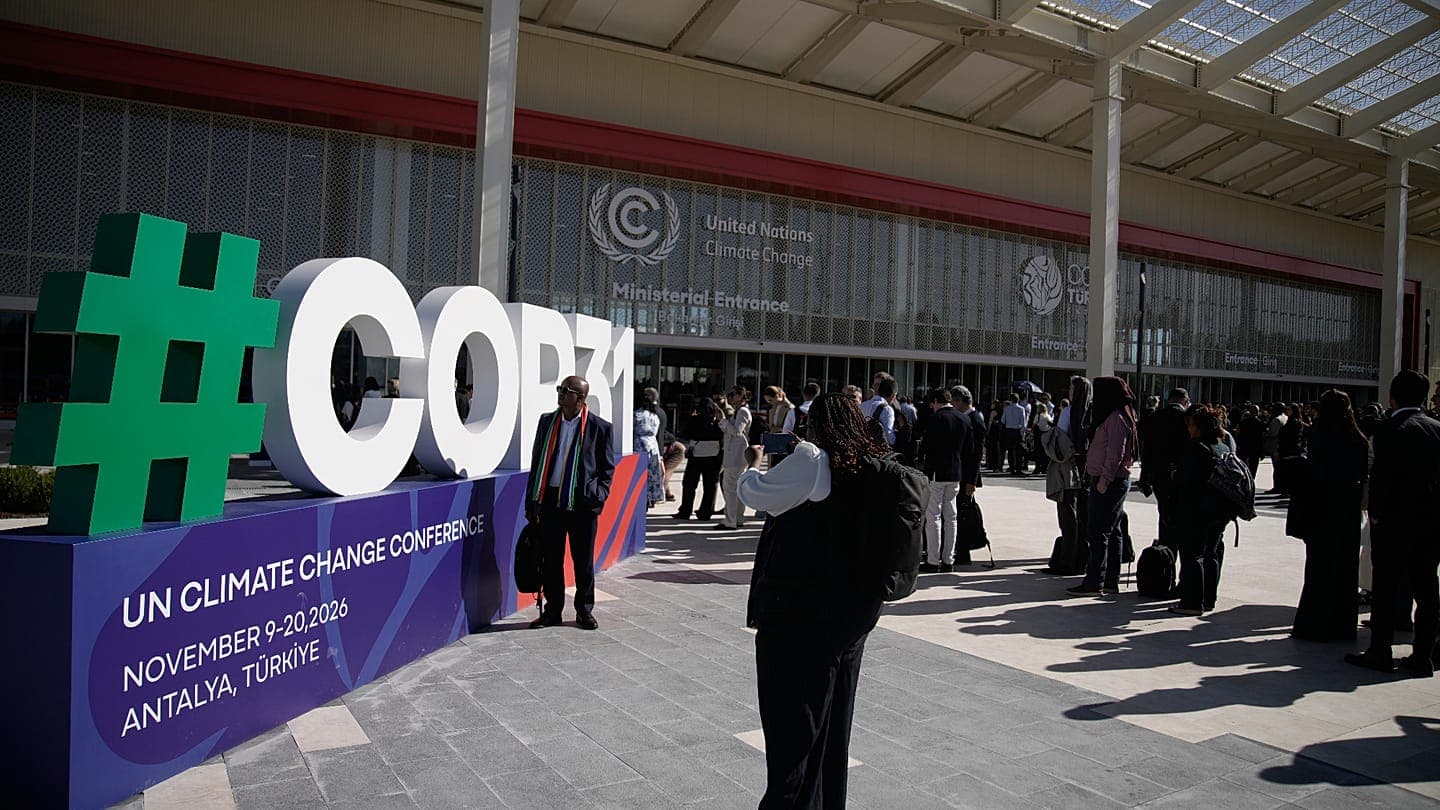
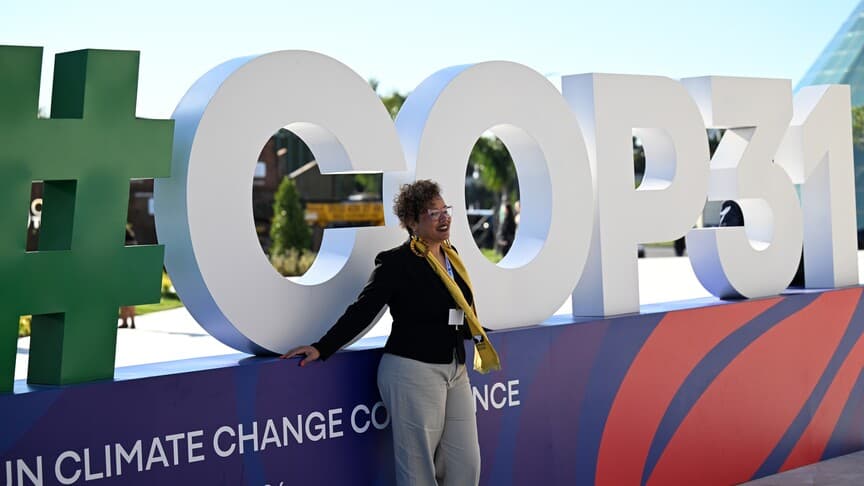
- COP31 is taking place in Antalya from 9 to 20 November; Minister Murat Kurum was nominated as president
- The Action Agenda covers 10 themes — from clean energy to food security
- According to Copernicus, 2026 is almost certain to become the second year exceeding 1.5°C above the pre-industrial level
A Broad Agenda as a Reflection of the Interconnectedness of Climate
The UN climate conference COP31 opened on 9 November in Antalya, Turkey, and will run until 20 November, bringing together heads of state, negotiators, scientists, business and civil society. The Minister of Environment, Urbanization and Climate Change of Turkey, Murat Kurum, was nominated as president of the conference. On the eve of the opening, the head of the European Centre for Medium-Range Weather Forecasts (ECMWF), Florian Pappenberger, in an interview with the Anadolu agency, spoke positively about the broad agenda of the Turkish presidency: the Action Agenda covers 10 themes, including the transition to clean energy and electrification, zero waste and methane emission reduction, climate-resilient cities, green industrialization, youth and education, food security, oceans, resilient health systems and cooperation under the Rio conventions. Finance, technology and capacity building are meant to support implementation across all ten areas. According to Pappenberger, this breadth reflects the fact that climate impacts affect not individual sectors but interconnected systems: renewable energy production and power grids are sensitive to the weather, and the same applies to water, oceans and food systems.
From Ambitions to Implementation
Pappenberger called COP31 an important opportunity to move from setting ambitious goals to fulfilling commitments already made: 'Success this time, in my view, would be if we truly made a determined shift from ambitions to implementation.' He stressed that science already clearly records climate change — more frequent and more intense heatwaves, droughts, wildfires and heavy precipitation — and the task now is to turn this knowledge into actions that reduce vulnerability. Climate information, in his view, is only useful when it reaches those who make decisions: from government agencies to businesses and communities. The context in which these words are spoken is telling: according to the latest data from the Copernicus Climate Change Service, 2026 is almost certain to become the second calendar year in the history of observations in which the average global temperature exceeds the pre-industrial level by 1.5°C — after 2024; the average for 2023–2026 is also expected to exceed this threshold, which makes achieving the goals of the 2015 Paris Agreement more difficult.
Energy, AI and Concrete Targets
The agenda also includes proposed targets for 2035: raising the share of electricity in global final energy consumption to 35%, reducing the energy intensity of buildings by at least 25% and increasing the global level of material reuse to at least 15%. Pappenberger singled out the role of weather and climate information in the energy transition: renewable generation and power grids are particularly sensitive to weather variability, so understanding changing weather patterns is needed not only for early warning of extreme events but also for planning and operating energy infrastructure. Speaking about artificial intelligence, he called it a transformative technology for forecasting: AI can improve the prediction of extreme weather events and broaden the range of scenarios considered. At the same time, he warned against pitting AI against traditional physics-based forecasting models — 'the future really lies in both approaches' — and noted that the key question is not whether we use AI, but how it helps turn information into better decisions and actions.