The key facts
- Healthcare receives only about 1% of total climate financing, according to an estimate by Adelphi Research
- In 2023, heat was linked to ~710,000 deaths, with about 71% attributed to human-caused climate change (Lancet Countdown 2026)
- In the summer of 2026, the preliminary estimate of excess mortality in Europe was more than 30,000 people
Climate money barely reaches medicine
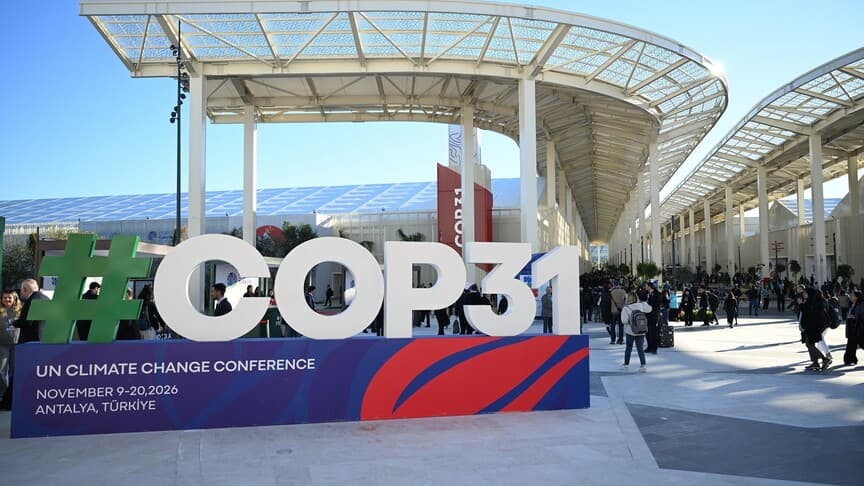
Only a small share of global climate financing reaches healthcare, even as extreme heat, floods and droughts place ever greater strain on medical systems. Researchers said this on Monday at the COP31 climate conference. “Health financing is only a very small share, about 1% of total climate financing spending,” said Dennis Tänzler, executive director of Adelphi Research, an independent think tank on environmental and development policy.
The heat death toll keeps rising
The scale of the problem is illustrated by data from the 2026 Lancet Countdown report on climate change and health: in 2023, heat was linked to roughly 710,000 deaths worldwide, with about 71% of them attributed to human-caused climate change. “And that was not the hottest year,” said Stella Hartinger, regional director of Lancet Countdown for Latin America. “Since then, 2024 was an even harder year, then 2025, and now 2026. So these figures will continue to rise.” According to the UN, preliminary estimates of excess mortality in Europe in the summer of 2026 alone exceeded 30,000 people, of whom about 16,000 died during a single heatwave from June 22 to 28.
Brazil as an example of the difficulties of adaptation
Brazil shows how difficult it is for countries to prepare their health systems for warming: despite the universal public health system SUS, growing climate risks and deep social inequality are straining its ability to protect vulnerable groups. Daniel Porsse of Brazil’s Talanoa Institute called financing the main obstacle — especially for protecting communities far from major cities and for making hospitals resilient to increasingly extreme weather. Last year the country adopted a national climate adaptation plan with 16 sectoral plans, one of which is devoted specifically to health, but, according to Porsse, additional investment is needed in infrastructure, medical training and protection of the most vulnerable communities.
Economic consequences for workers
A separate Adelphi Research analysis of eight countries — Bangladesh, Brazil, France, India, Indonesia, Italy, Nigeria and South Africa — shows that heat also hits household budgets: workers cut their hours, take extra breaks or stop working altogether, and heat-related illnesses increase personal medical expenses, especially where access to health insurance and paid sick leave is limited. Agriculture and construction are particularly vulnerable: according to Tänzler, in Bangladesh, India, Indonesia and Nigeria, workers in these sectors already lose the equivalent of roughly 20 or more working days per year due to heat stress.