The key facts
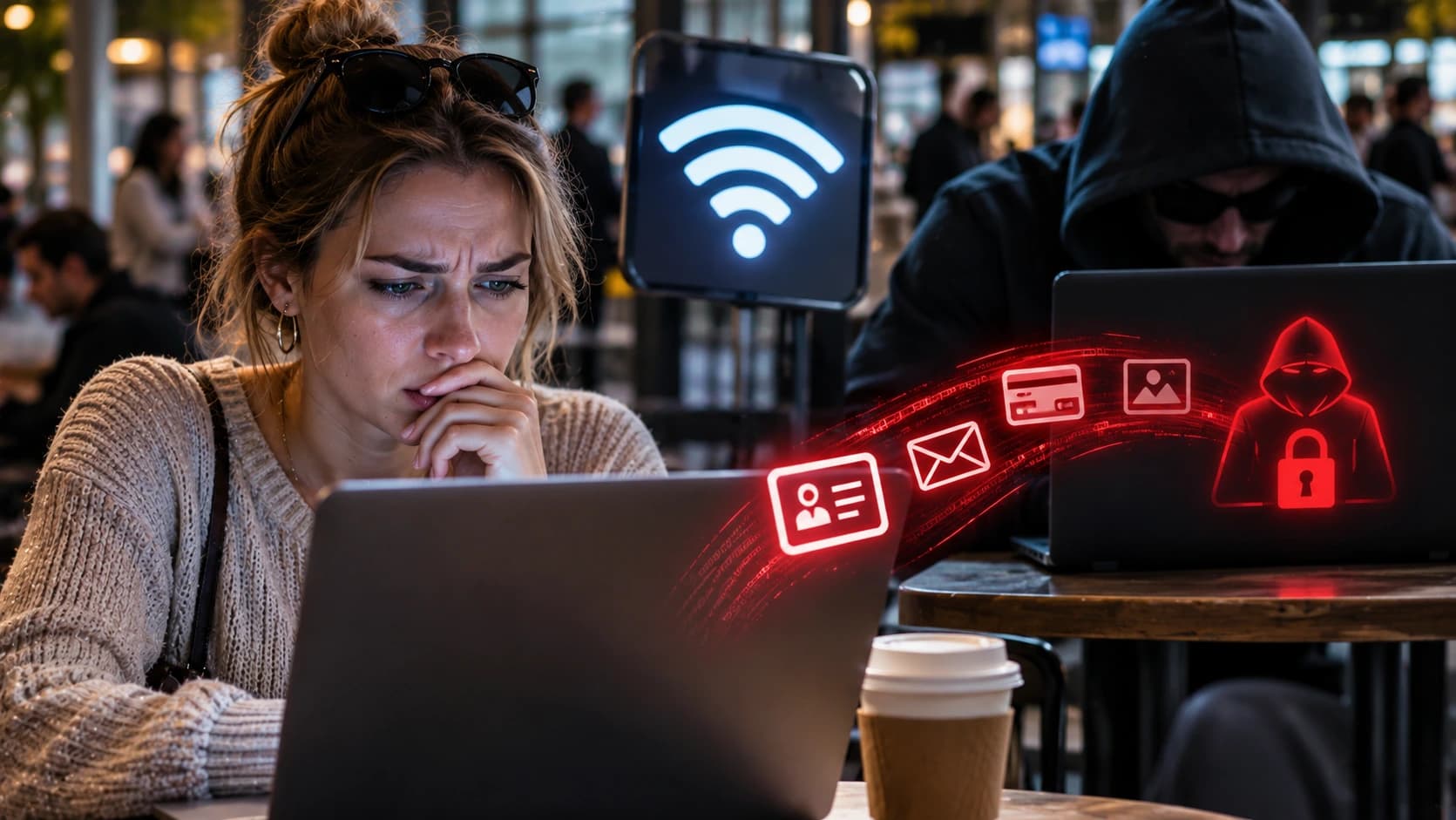
- Fraudsters create Wi-Fi lookalikes of official access points in cafés and on transport in order to intercept logins, passwords and payment details
- Fake QR codes lead to phishing sites and fake payment pages
- Found flash drives and power banks may contain malware, while Bluetooth vulnerabilities give access to contacts
Five traps in public places
Connecting to free internet on public transport or in a café can result in the theft of personal data. Russia's Ministry of Internal Affairs cybercrime unit warned about five common fraud schemes — the report was published on November 8, 2026 on Life.ru.
How the criminals operate
The first scheme involves wireless networks disguised as official access points of establishments: criminals create Wi-Fi lookalikesin order to intercept the logins, passwords and payment details of users who connect. The Ministry of Internal Affairs recommends confirming the real network name with staff and never entering confidential data on open networks. The second trap is fake QR codes in public places, which are almost indistinguishable from genuine ones and redirect to phishing sites and fake payment pages; before following a link, you should check its address.
Flash drives, power banks and prying eyes
A separate warning concerns found devices. 'A found flash drive or power bank may contain malware that will steal your data or lock your system,' the Ministry of Internal Affairs warned. Another method requires no technical tricks: criminals peek at a card PIN, a password or the contents of a phone screen while standing nearby on transport, in a queue or in a café — the method is called 'shoulder surfing'. Also, through Bluetooth vulnerabilities, attackers may try to gain access to contacts and other personal information; the agency advises turning off Bluetooth when it is not needed and not accepting connection requests from unknown devices.
What law enforcement recommends
The Ministry of Internal Affairs advises not to plug in found storage devices, to install software updates, to use strong passwords and to make sure that strangers cannot see confidential information on your screen. Earlier, the same agency warned about a scheme involving QR codes in cafés: visitors are asked to connect to free Wi-Fi via a code, after which they risk landing on a fake login page and compromising their logins and passwords.