The key facts
- Jumping and 'explosive' workouts create impact loading on the ankle, knee, and hip joints
- Complete refusal of movement is not needed: walking, swimming, water-based exercise, and therapeutic gymnastics are recommended
- If a joint swells, becomes hot, or the pain intensifies, workouts should be stopped and a doctor consulted
Which types of exercise harm inflamed joints
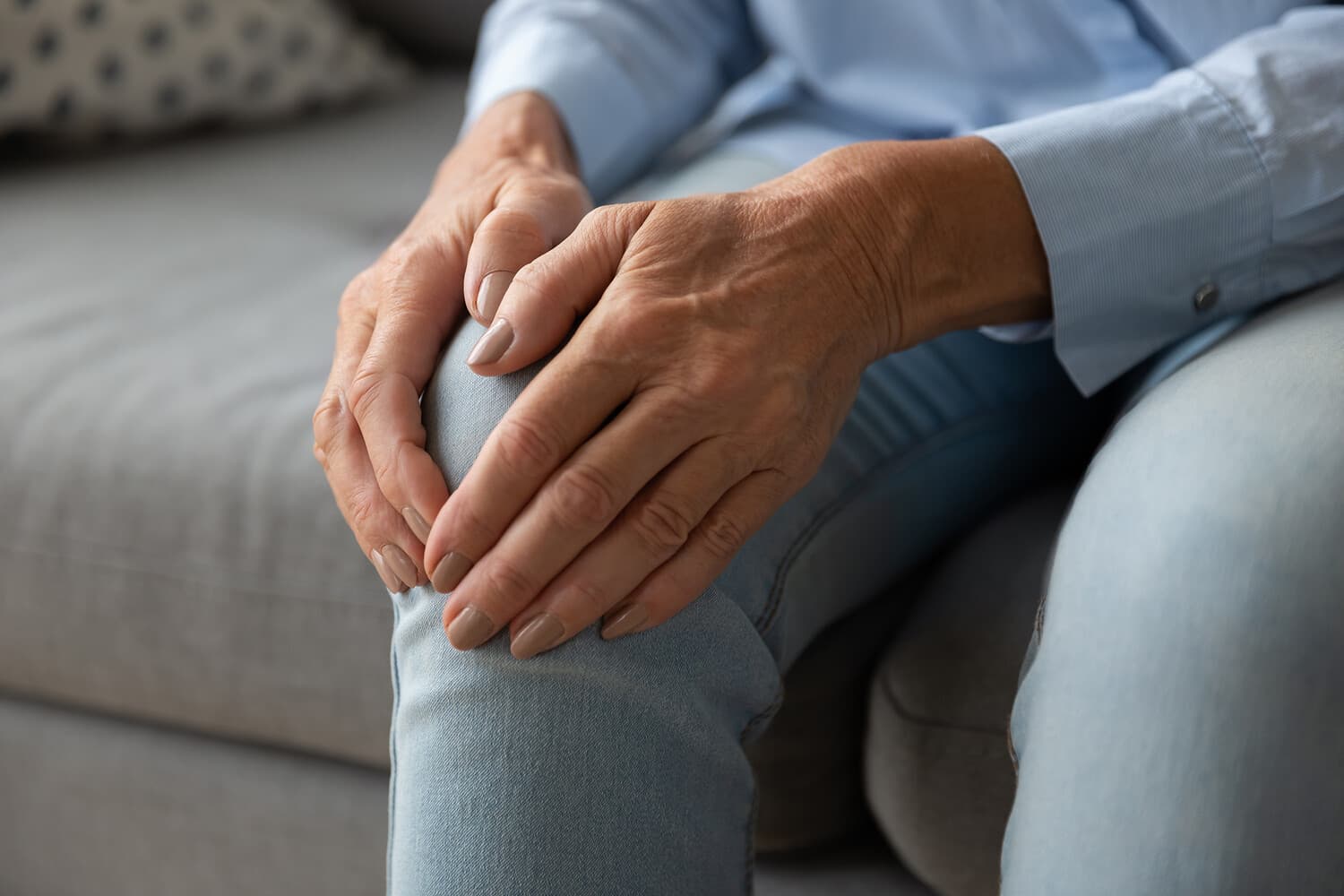
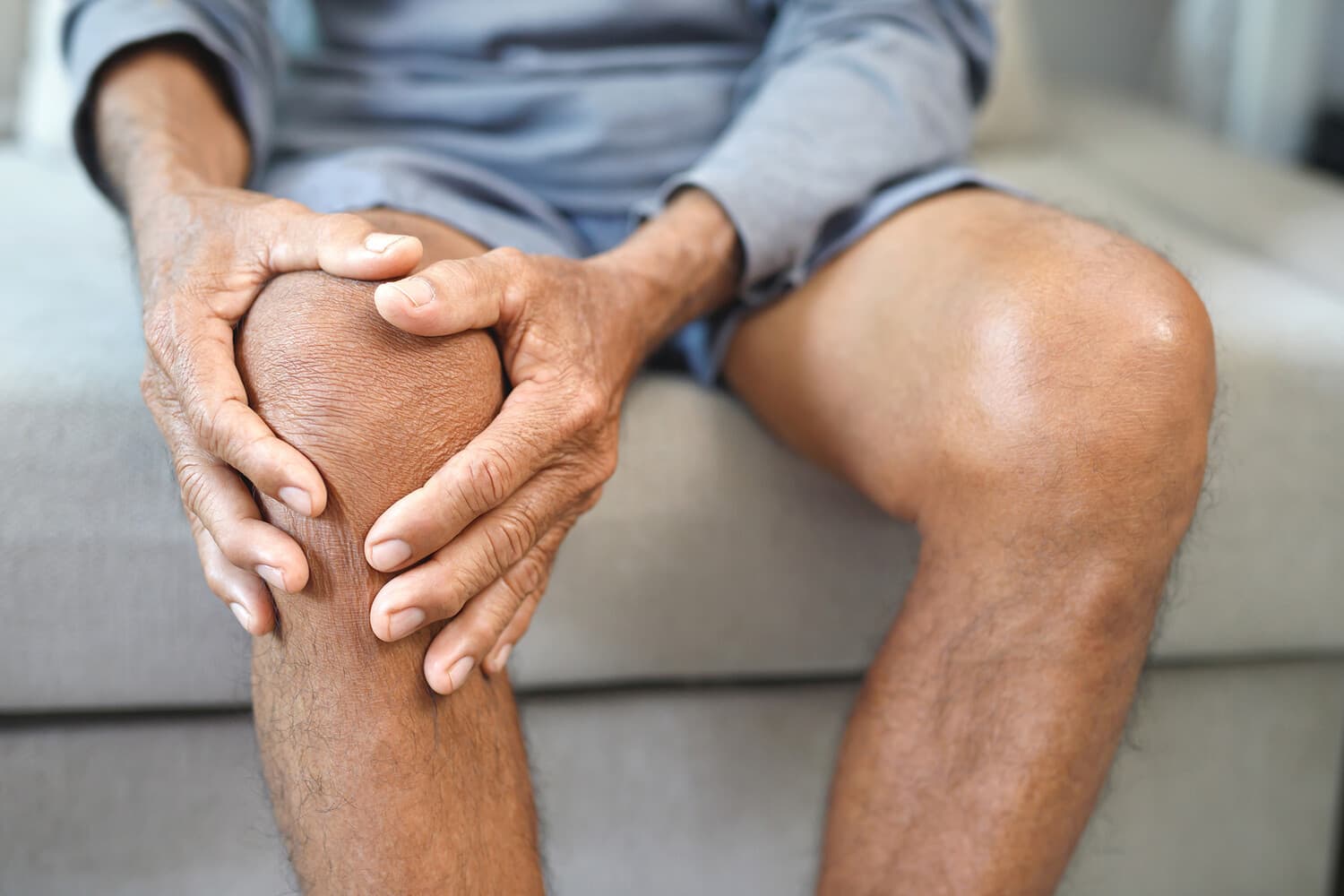
Jumping, sudden movements, and strength exercises with heavy weights can be dangerous for people with arthritis, especially during a flare-up of the disease. This was told to Gazeta.Ru by rheumatologist, Candidate of Medical Sciences at the Meditsina clinic, Natalya Stepanova.
Why impact loading intensifies pain
According to the specialist, during jumping, boxing, and other 'explosive' workouts, impact loading occurs: the force of the body's contact with the surface is transmitted through the legs to the ankle, knee, and hip joints. With active inflammation, such exercises can additionally provoke pain and make movement difficult. Strength exercises with heavy weights can also overload the affected joints, especially when performed with improper technique.
What not to give up
There is no need to completely give up physical activity with arthritis: properly selected exercises help maintain joint mobility, strengthen muscles, reduce stiffness, and preserve independence. 'Walking at a comfortable pace, swimming, water-based exercise, stationary cycling with light resistance, and therapeutic gymnastics are recommended. Water reduces the load on the joints, while strengthened muscles help support them better during movement,' the doctor explained.
When workouts should be stopped
During an inflammation flare-up, intense workouts should be temporarily limited. If a joint is swollen, has become hot, or the pain has noticeably intensified, exercise should be stopped and a doctor consulted. Stepanova advised starting workouts with five to ten minutes, gradually increasing the duration and intensity: mild discomfort is acceptable, but severe pain should not become part of a workout. With sudden severe swelling and a rise in temperature against the background of joint inflammation, urgent medical evaluation is required.