The key facts
- The document will be signed on November 10 in Oslo aboard HMS Prince of Wales
- The alliance will include the ten JEF countries: Britain, Denmark, Iceland, Latvia, Lithuania, the Netherlands, Norway, Finland, Sweden and Estonia
- The format is intended to strengthen the existing JEF, not to create a new military bloc
New agreement based on the JEF
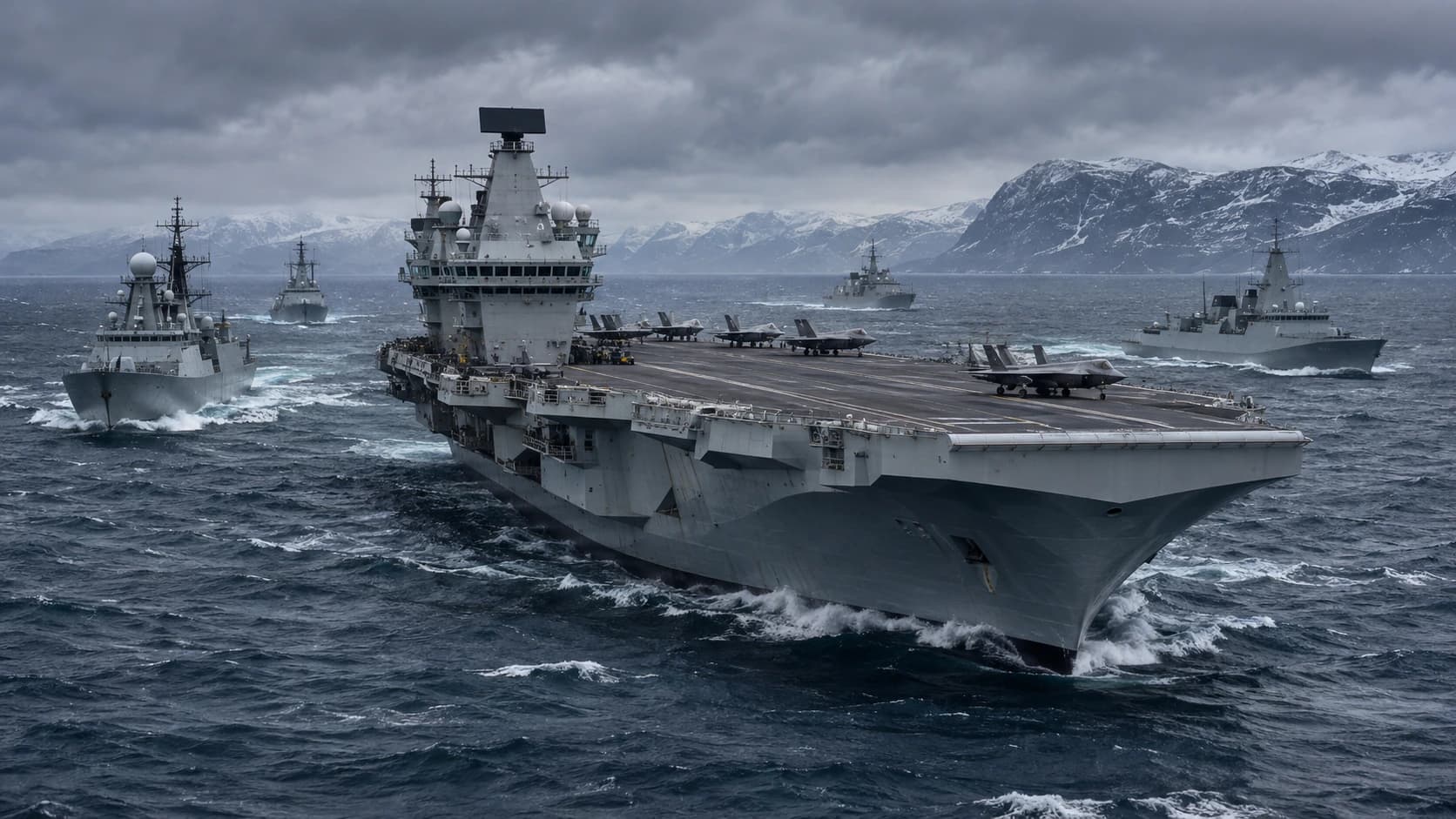
The United Kingdom and nine Northern European countries intend to sign an agreement in Oslo on November 10 to expand military cooperation at sea. This was announced in an interview with the Financial Times by the Chief of the Defence Staff of the United Kingdom Air Chief Marshal Richard Knighton; preparations for the alliance were also reported the same day by Gazeta.Ru citing The Financial Times. The ceremony will take place aboard the British aircraft carrier HMS Prince of Wales, whose visit to the Norwegian capital is timed to meetings on Northern European security issues; before entering Oslo, the carrier strike group took part in joint exercises with NATO allies.
Tasks and composition
The main task of the partnership is named as coordinating the actions of allied navies, air forces and ground forces, with particular attention to Russian submarines which, according to British command assessments, could pose a threat to shipping in the event of an armed conflict. This concerns closer interaction in the North Atlantic, the Arctic and the Baltic Sea. The basis of the agreement will be the existing Joint Expeditionary Force (JEF) led by the United Kingdom, which includes ten states: Britain, Denmark, Iceland, Latvia, Lithuania, the Netherlands, Norway, Finland, Sweden and Estonia. According to Knighton, the new document is intended to strengthen the existing format rather than create a separate military bloc, and the allies must move 'from declarations and regular meetings to joint practical action'.
Rationale and context
The British military commander linked the need to expand cooperation with an alleged threat from Russia and accused Moscow of involvement in sabotage, cyberattacks and assassination attempts in Europe; Russian authorities have repeatedly rejected such accusations. Knighton called the current international situation the most dangerous of his entire adult life and, in his view, European states need to accelerate rearmament and increase combat readiness. Earlier, as reported by Life.ru, British Defence Secretary John Healey statedthat the British military had expanded patrols of the North Atlantic and monitoring of Russian submarine activity — the signing of the agreement develops the already announced course toward enhanced surveillance. What exactly will change in the practical interaction of the navies after the document is signed is not disclosed in the publications.