The key facts
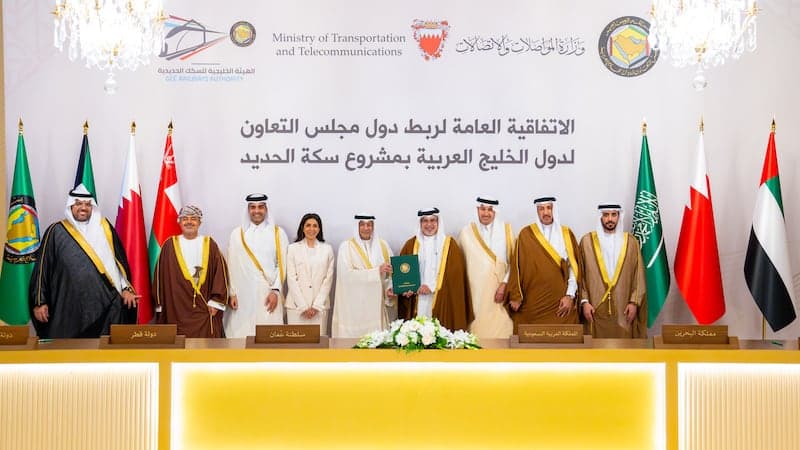
- The agreement was signed by the transport ministers of the GCC countries at Al-Zahir Palace in Bahrain on November 8, 2026
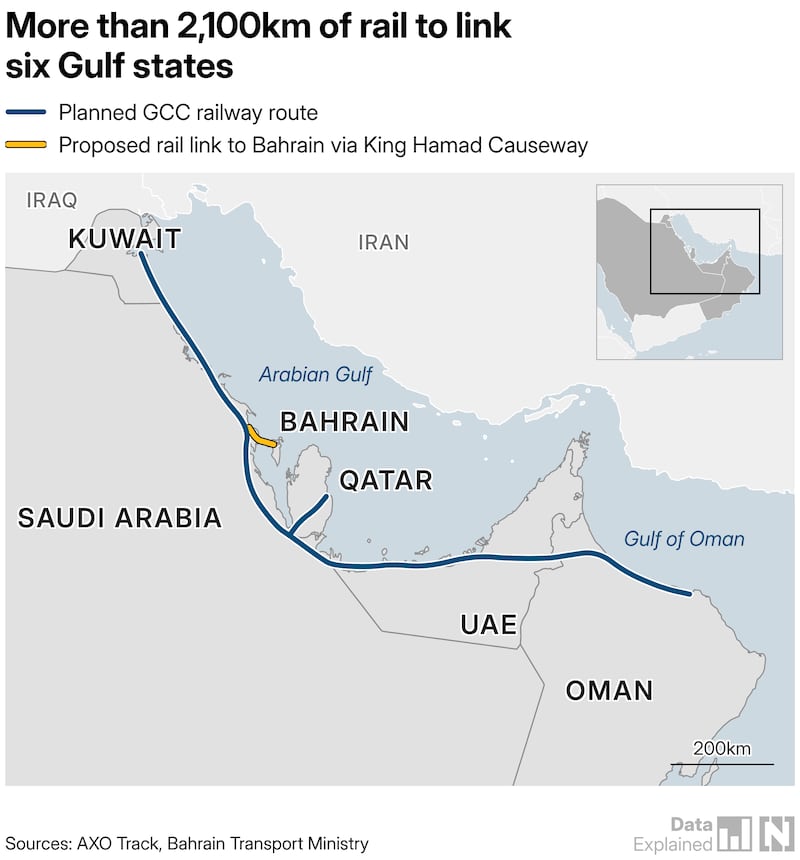
- The network spanning about 2,100 km is to link six states from Kuwait to Oman
- For Bahrain, connection to the network depends on the construction of the King Hamad Causeway to Saudi Arabia
Signing of the agreement in Bahrain
The countries of the Gulf Cooperation Council signed an agreement on November 8 to advance a regional railway project that is to link six states into a single network spanning about 2,100 km — from Kuwait in the north to Oman in the south. The document was signed by the transport ministers of the GCC countries at Al-Zahir Palace in Bahrain, where the council's 30th meeting of transport ministers was held. The National reports this.
What the document means
Bahrain's Minister of Transportation and Telecommunications, Sheikh Abdulla bin Ahmed Al Khalifa, called the agreement an «investment in the future of the Gulf and its generations» and a milestone reflecting the GCC leaders' commitment to «deeper connectivity» among the countries. According to him, the document is a necessary step toward completing the legal and regulatory work without which the project cannot begin, and it «lays the foundations for a new phase of connectivity and integration», opening «broader prospects» for trade, investment and travel. GCC Secretary-General Jasem Al-Budaiwi described the signing as an important step toward strengthening Gulf integration in the transport sector.
Current progress and conditions for Bahrain
The project has been under discussion for more than a decade, and actual progress so far has been uneven: The UAE has already launched its national railway network, while Oman is developing cross-border connections with the Emirates through the 238-km Hafeet Rail project, which will link the port of Sohar with Abu Dhabi via Al-Buraimi and Al-Ain; trial operations are expected in 2027. For Bahrain, as The National notes, integration into the regional network depends on the planned connection with Saudi Arabia via the King Hamad Causeway — a new fixed link designed for both road and rail traffic; it is precisely this link that will give the kingdom access to regional freight and passenger corridors.
Transport context after the war
The importance of a land-based alternative is underscored by the situation of recent months: according to The National, after the war began in late February, when the US and Israel struck Iran, all six Gulf states were subjected to repeated Iranian missile and drone attacks, and Tehran imposed an effective blockade of the Strait of Hormuz. The Bahraini minister said in a previous interview with the outlet: «Transport is the lifeline of any economy», and described how, due to the difficulties of ships passing through the strait and the reduction in calls at the Khalifa bin Salman port, the kingdom turned to road freight and alternative ports — Jeddah in Saudi Arabia, Sohar and Duqm in Oman, as well as Fujairah in the UAE. Thus, the signed agreement establishes the legal framework for the project, but the publication does not name construction timelines or funding.