The key facts
- The additional ADS charge (8%) in Scotland also applies to property abroad, including an apartment left in a combat zone in Kyiv
- The couple from Stromness withdrew their offer to buy a house in North Ayrshire after being unable to pay £9,000
- First Minister John Swinney asked Revenue Scotland to examine the case; according to the Deputy First Minister, the law provides no discretionary grounds for waiving the charge
A case in Orkney: a tax on an apartment in a war zone
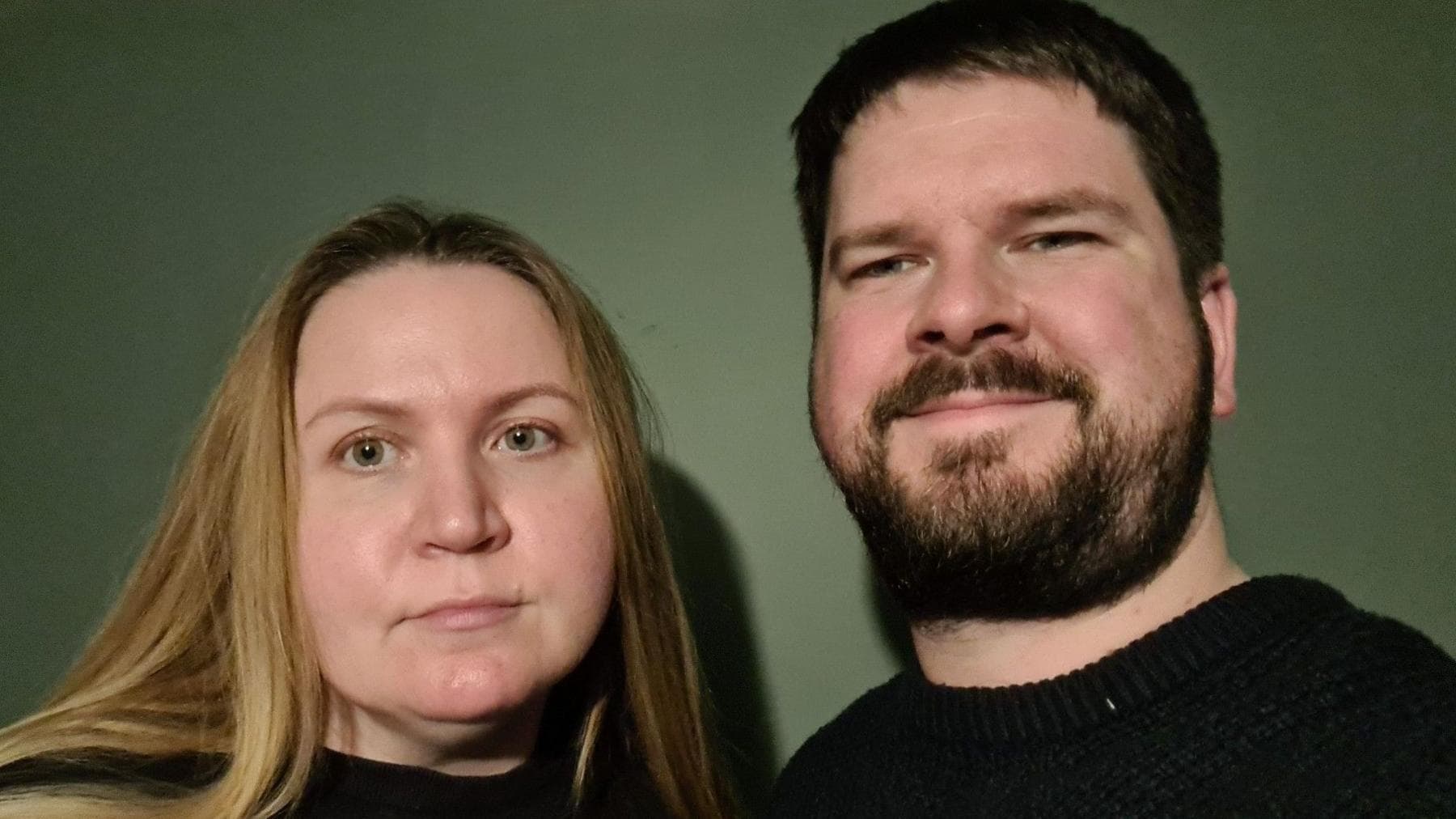
Kateryna Stepanovych, a 38-year-old Ukrainian woman who fled to Scotland after Russia's invasion, learned of a potential £9,000 tax bill when she and her Scottish partner Mattias Lindgren tried to buy a house in North Ayrshire. As BBC Scotland News reports, the couple, who live in Stromness on Orkney, discovered the Additional Dwelling Supplement (ADS) charge only in their solicitor's documents after making an offer to buy — and were forced to withdraw it.
How ADS works and why it applies
Under Revenue Scotland's rules, the ADS charge is an additional 8% for buyers who already own another home — including abroad. The charge was introduced by the Scottish government primarily to target buyers of second homes and buy-to-let properties, and is paid on top of the Land and Buildings Transaction Tax. Kateryna bought the Kyiv apartment in 2018, before the invasion; in 2023 she left the combat zone, leaving the property behind. The facade of her 10-storey building and a neighbouring building have been damaged by shrapnel, while the apartment itself was unharmed — 'the fact that the apartment is still standing is a miracle,' Mattias said.
The authorities' response and the parliamentary question
In the summer, the couple turned to Orkney's MSP Liam McArthur after solicitors told them nothing could be done about the charge. McArthur sent a question to Deputy First Minister Shona Robison, who replied in a letter that the legislation contains 'no provisions allowing the Scottish government or Revenue Scotland to waive the ADS on a discretionary or individual basis.' On Tuesday, McArthur raised the case in the Scottish Parliament, asking First Minister John Swinney whether he agreed that 'this is surely not what this tax was designed for.' Swinney replied that he would ask Revenue Scotland to look into the matter, adding that he understood why the rules had created such a situation for the couple.
What changes for the couple
The purchase had to be postponed: instead of moving this year, the couple is considering renting. Kateryna, who works at a factory, noted that she finds it difficult to handle the case since English is not her native language, and apart from providing documents from Ukraine there is little she can do. 'Why should we be punished with this tax for property in a combat zone?' Mattias said. As Revenue Scotland has not yet published the results of its review, the outcome of the case remains unclear; the couple, in their words, are 'biding their time' while exploring their options.
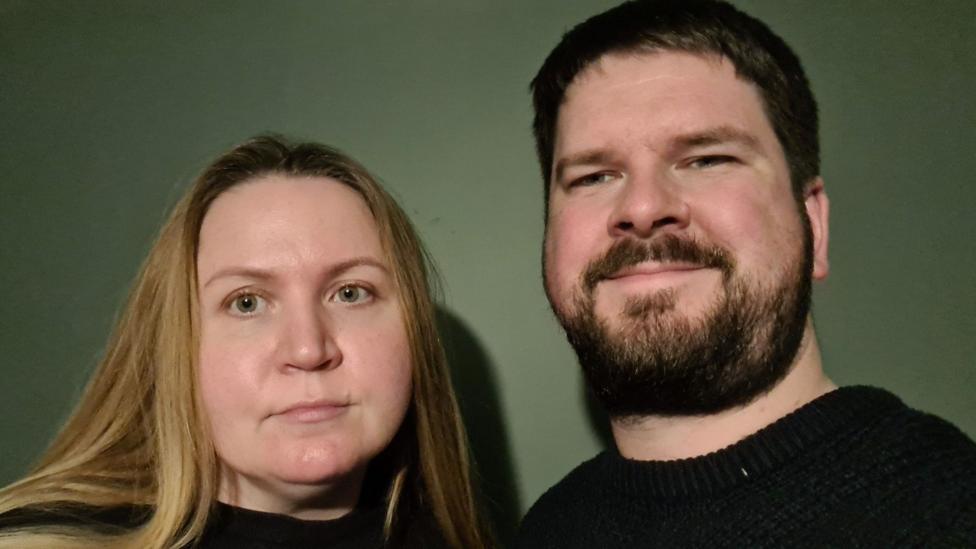
Kateryna and Mattias have had to postpone their plans to buy a new home
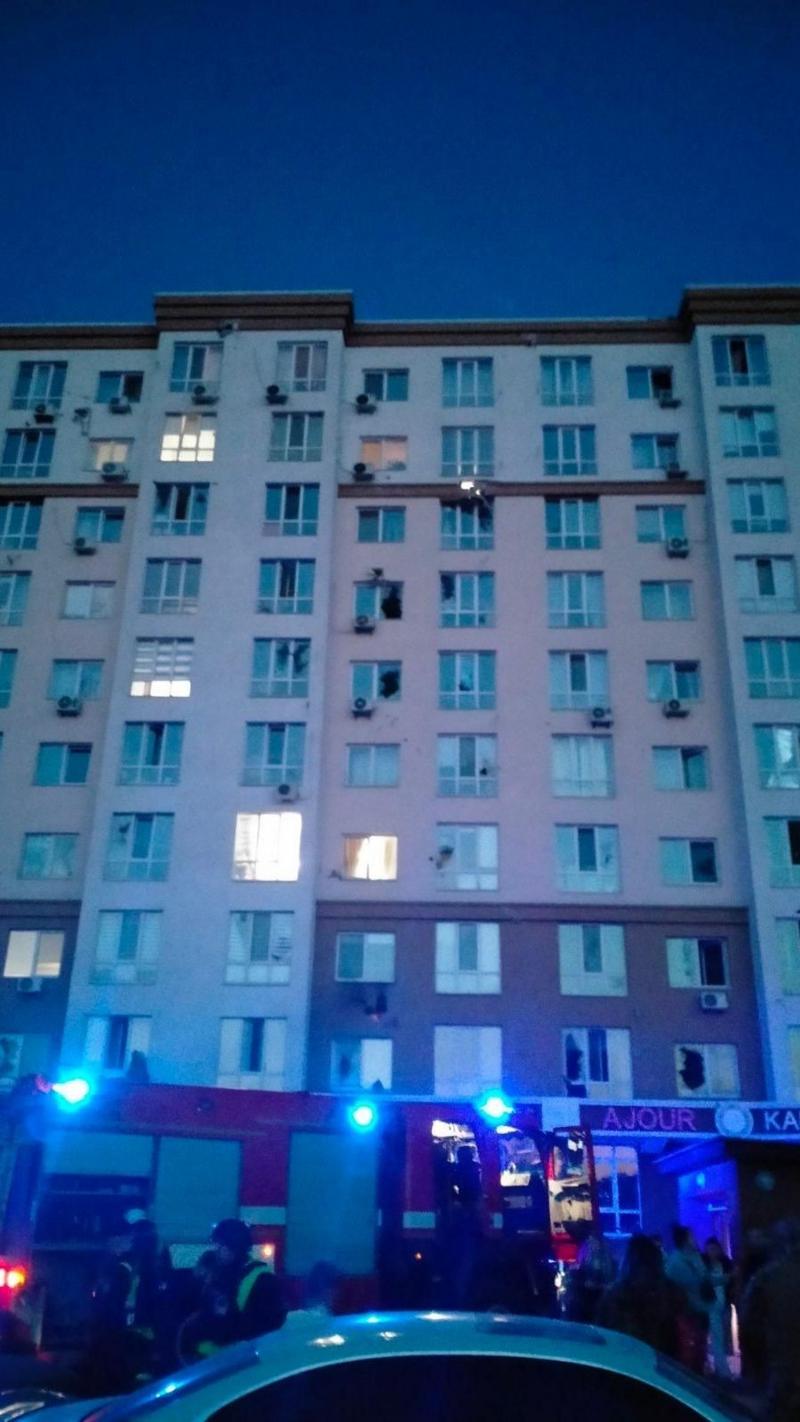 Image source, Kateryna Stepanovych
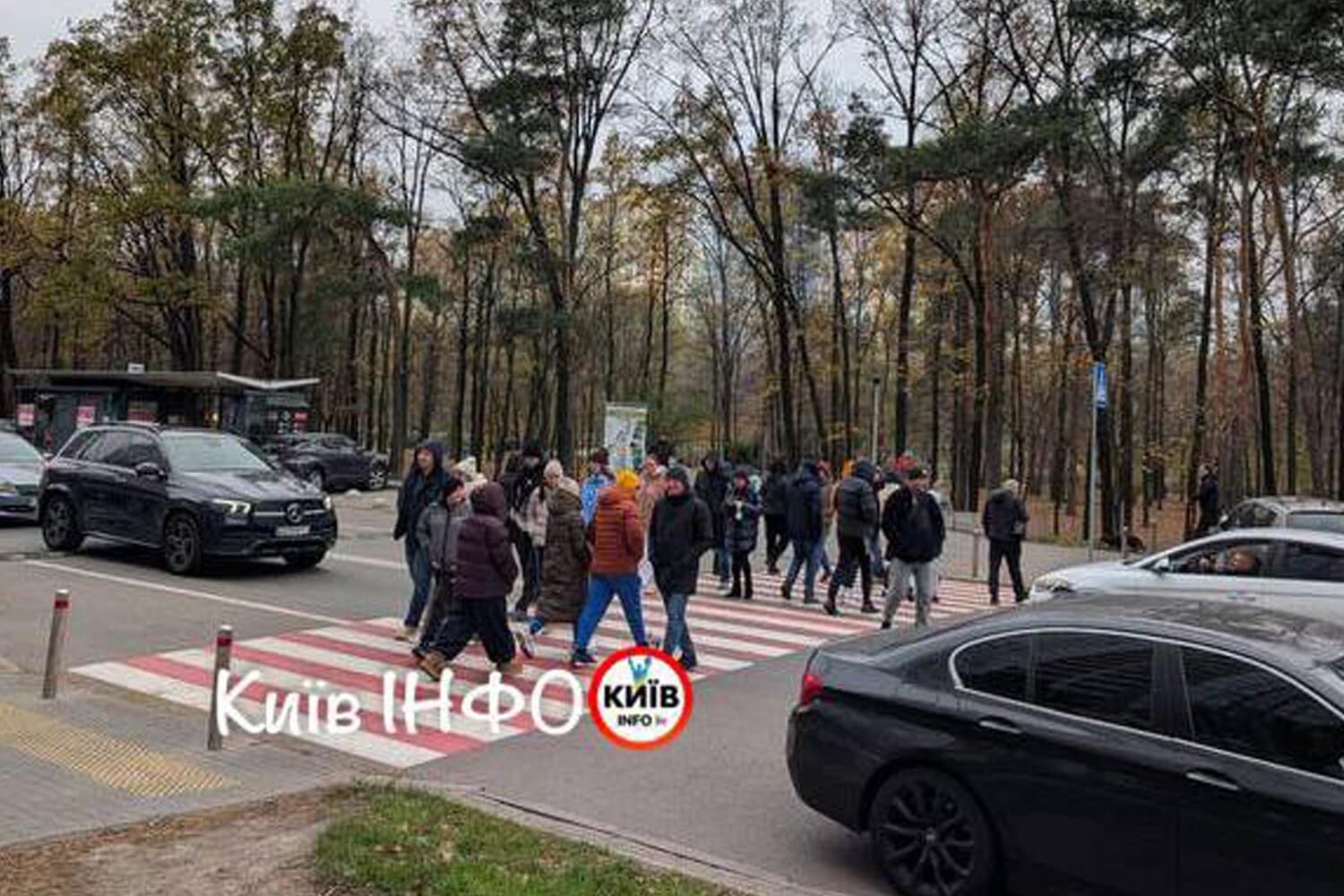
Kateryna says the 10-storey building in Kyiv where she has an apartment was hit by shrapnel in an attack in 2023
 Image source, Getty Images
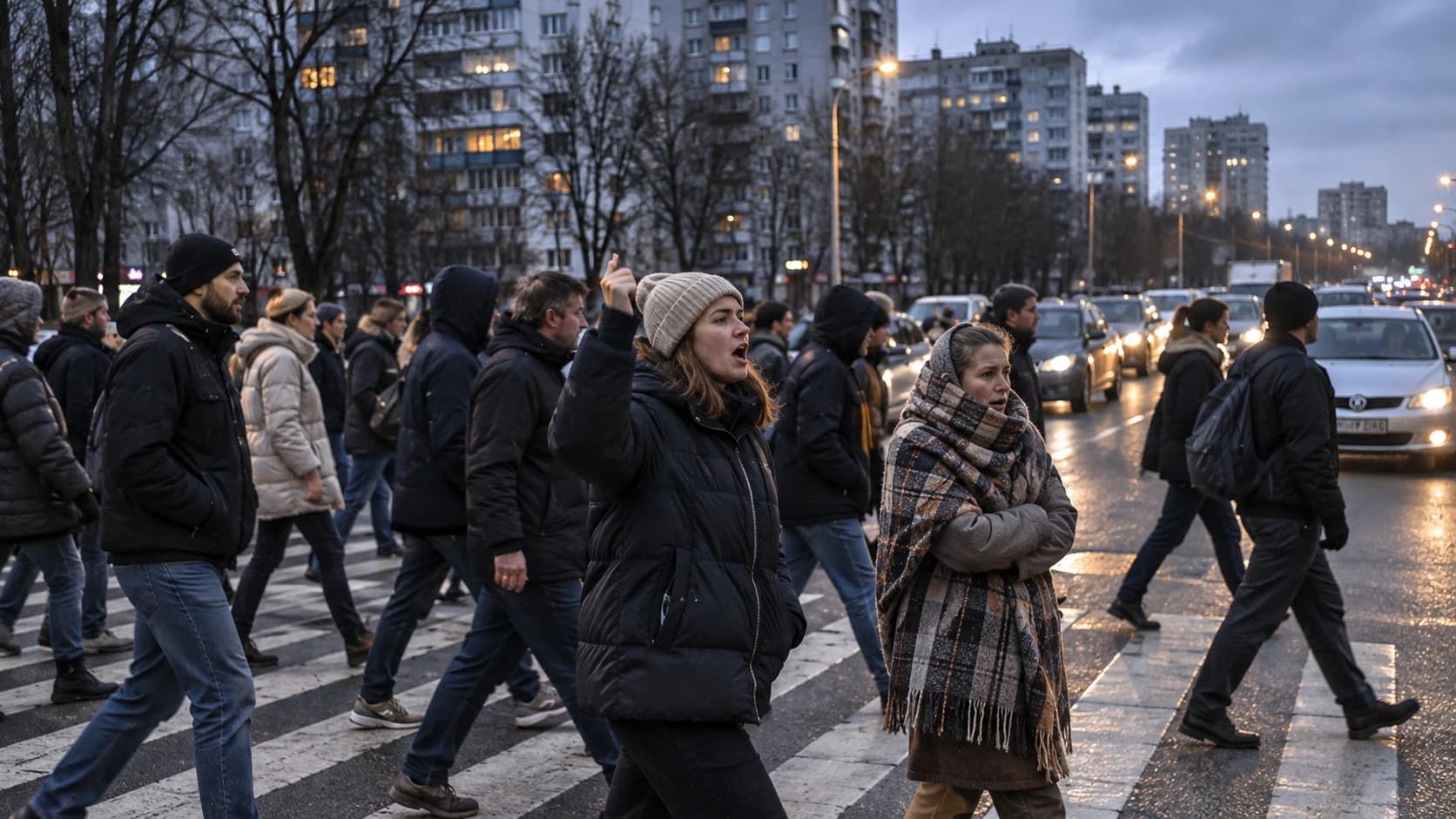
Kyiv has come under regular attack since Russia invaded in 2022
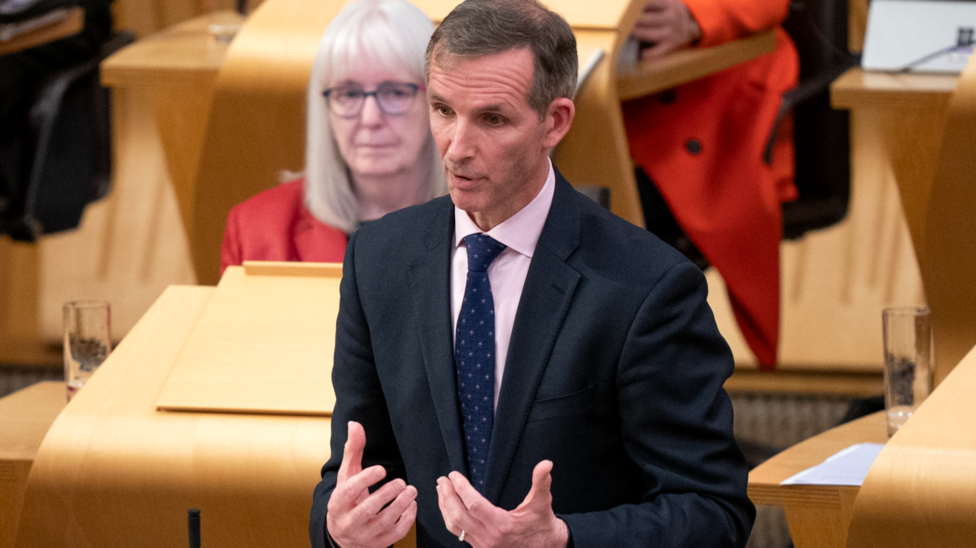 Image source, Press Association
The couple's case was raised in the Scottish Parliament by Liam McArthur