The key facts
- In 134 people with diagnoses, the dynamics of brain networks between rest and tasks were less pronounced — a 'flattening'
- Symptom profiles crossed conventional diagnostic boundaries
- The models were tested on held-out data from 43 participants; an MRI-based diagnosis is not yet possible
Reduced flexibility of brain networks across different diagnoses
In people with different psychiatric diagnoses, brain networks reconfigure less strongly when shifting from rest to task performance. Researchers came to this conclusion from Rutgers and Yale universities together with colleagues; the work was published in the journal Nature Communications. The sample included 219 adults: 134 people with psychiatric diagnoses and 85 without a relevant history — depression, anxiety and bipolar disorders, schizophrenia, ADHD, OCD and other conditions.
How the study was conducted
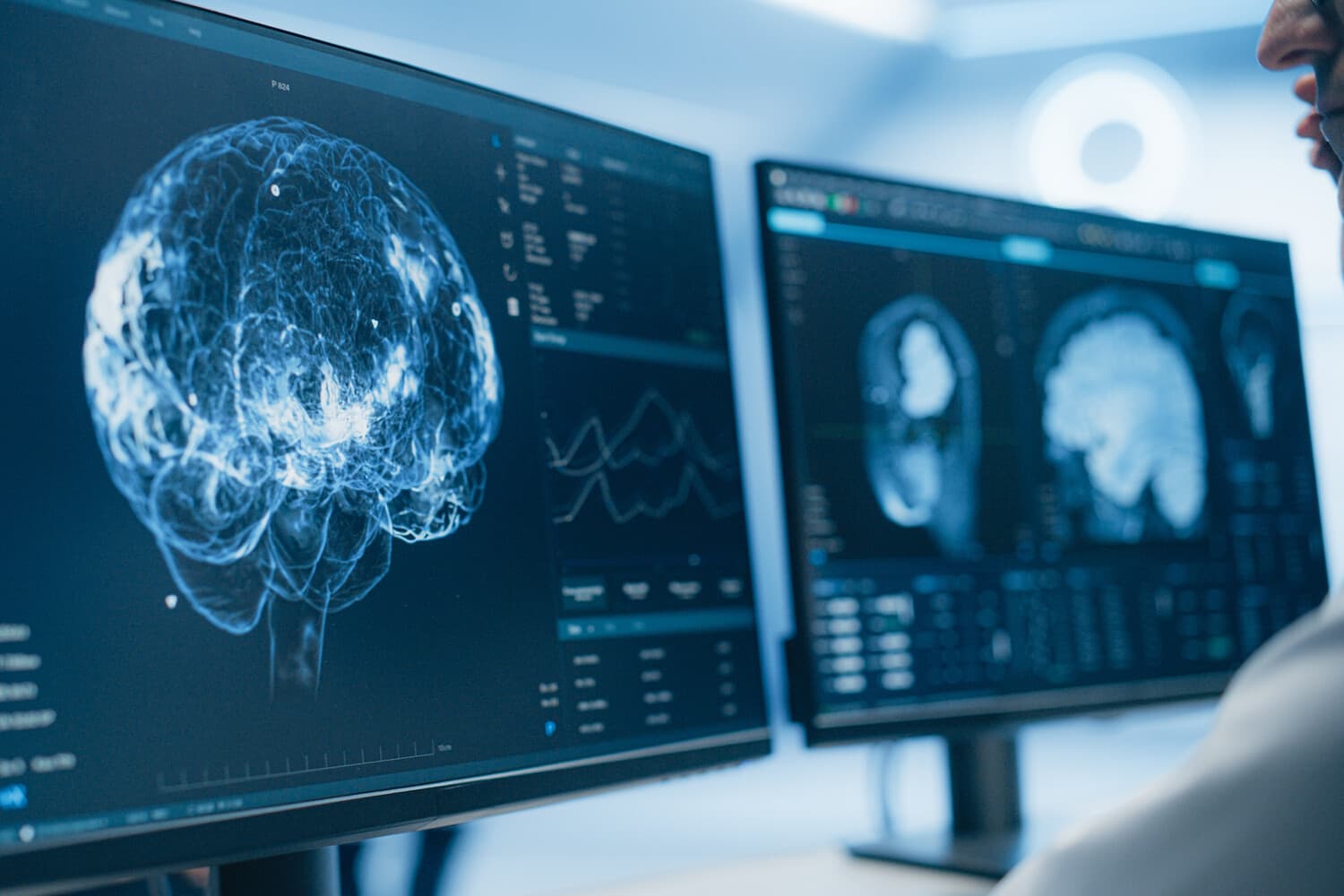
Participants underwent functional MRI at rest and during tasks on cognitive control and emotion processing — six recordings per person in total. Functional brain connections were assessed based on coordinated changes in activity across different regions. On average, in people with diagnoses, the organization of networks changed less between recordings: the authors describe this as a 'flattening' of dynamics, when the brain maintains a more similar configuration as task demands change.
Symptoms are broader than diagnoses, and limitations of the work
Matching the scans with 110 clinical, behavioral and cognitive measures produced symptom profiles that crossed conventional diagnostic boundaries: people with different diagnoses could have similar combinations of difficulties. The models were tested on separately held-out data from 43 participants. The authors emphasize that the results support studying shared mechanisms of disorders, but do not yet allow a diagnosis to be made from an MRI — some diagnostic subgroups were very small, and the link between network dynamics and symptoms requires independent verification. We note that Gazeta.Ru previously reported on the confirmation of the connection between the cerebellum and emotions and stress.