The key facts
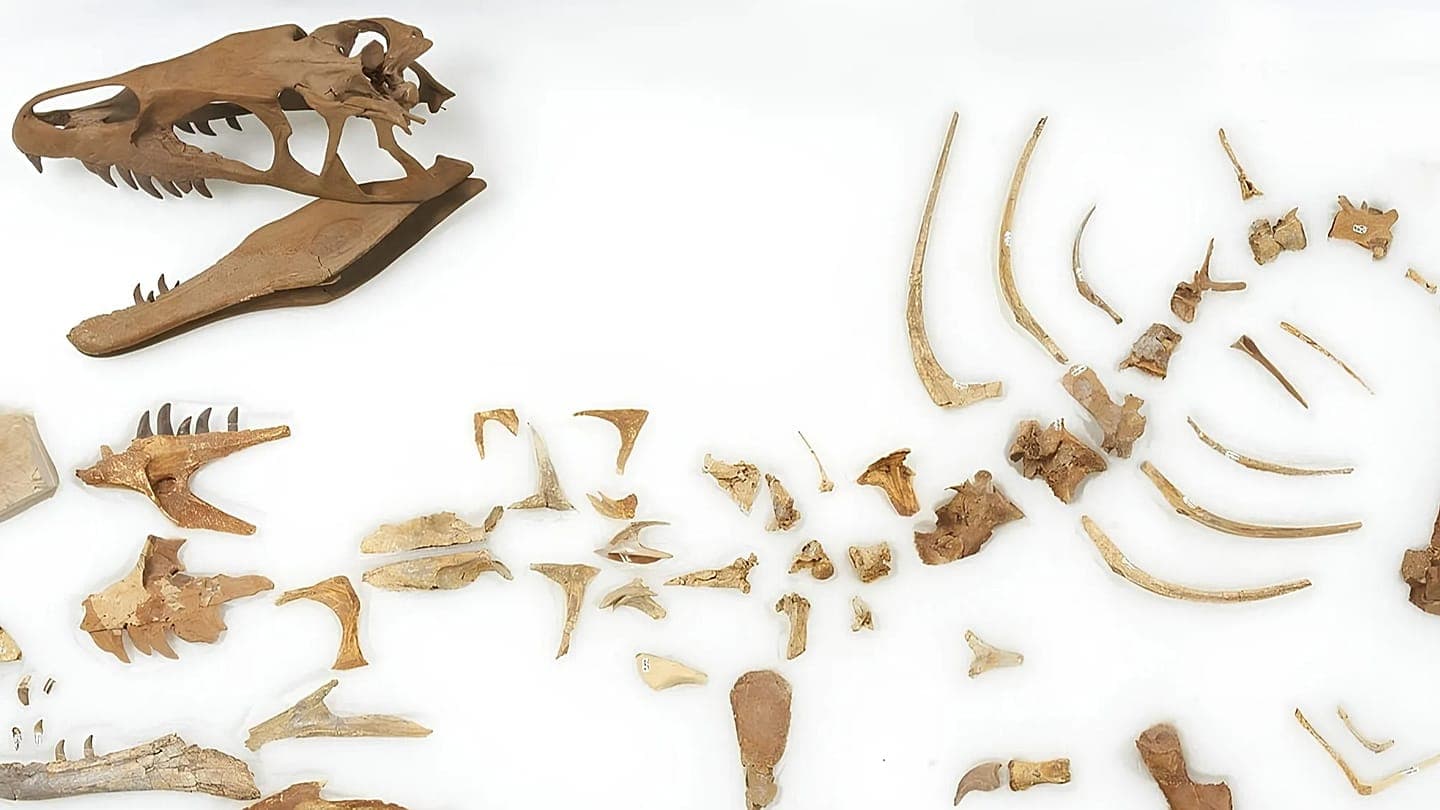
- The skeleton of a carnivorous dinosaur, 167 million years old and the only known representative of the species Dubreuillosaurus valesdunensis, was purchased by agreement before the auction at the Hôtel Drouot
- The fossil was found in 1994 in Conteville by the village mayor André Dubreuil; its skull is among the most complete of any European theropod
- The exhibition will open at the Gallery of Palaeontology and Comparative Anatomy in Paris in summer 2027; tomographic research will continue
Auction cancelled: the skeleton has entered the national collections
The skeleton of a carnivorous dinosaur, 167 million years old, has joined the collections of the National Museum of Natural History in Paris — reports euronews. The fossil had been on display since 2014 at the Paléospace museum in Villers-sur-Mer in Normandy, but after the heirs of its owner decided to part with it, it was scheduled to be auctioned on 18 November at the Hôtel Drouot in Paris. The prospect of the sale caused concern in the scientific community, which sought to ensure the fossil's preservation and researchers' access to it. Following mobilisation by the French authorities, an agreement was reached for an amicable purchase before the auction began.
The 1994 discovery and its scientific significance
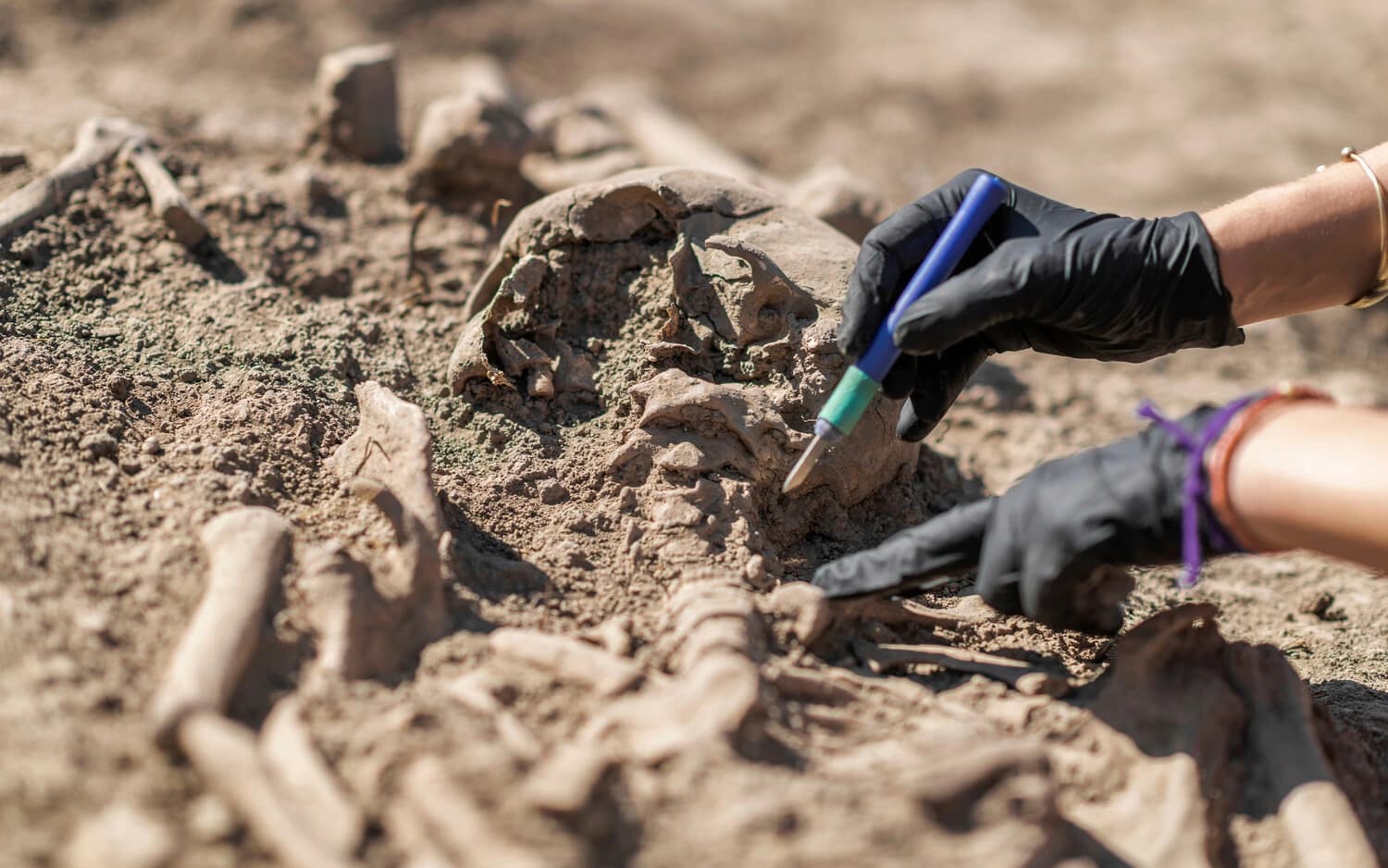
The specimen was discovered in 1994 in Conteville, in the Eure department, by André Dubreuil, then the mayor of this Norman village. The excavations were carried out by teams from the Research Centre in Palaeontology under the aegis of the National Museum of Natural History, the CNRS and the Sorbonne University. After several years of study, palaeontologists determined that it was a new species of theropod, close to the megalosaurs; the only known representative of the species was named Dubreuillosaurus valesdunensis after its discoverer. The skeleton's skull is one of the most complete and best preserved among theropods found in Europe, and the discovery significantly expanded knowledge of megalosaur anatomy, which had until then remained largely unknown. The publication also notes that this is one of the last surviving dinosaur finds in Normandy: other specimens from the region were destroyed in the 1944 bombings.
What happens next
The skeleton will be transferred to the Gallery of Palaeontology and Comparative Anatomy of the Jardin des Plantes in Paris, whose reopening is scheduled for summer 2027. Research on the specimen will continue, in particular using tomographic scans, which should make it possible to carry out a new biomechanical reconstruction.