The key facts
- The Varna hoard dates to 4600–4350 BC and weighs more than 6 kg of gold
- Gold was found in only 62 burials of the necropolis; grave No. 43 contained about 1.5 kg
- Some of the rich graves are cenotaphs without human remains
A find that changed our understanding of Copper Age Europe
Europe's oldest hoard of gold artifacts, about 6,500 years old, is kept at the Varna Archaeological Museum in Bulgaria. It was discovered in 1972 in an industrial district of Varna: during construction work, excavator operator Raycho Marinov stumbled upon a Copper Age necropolis, where more than 3,000 gold objects with a total weight of over six kilograms were eventually found. Gazeta.Ru reports this citing the EuropeExpress portal.
What was found in the burial ground
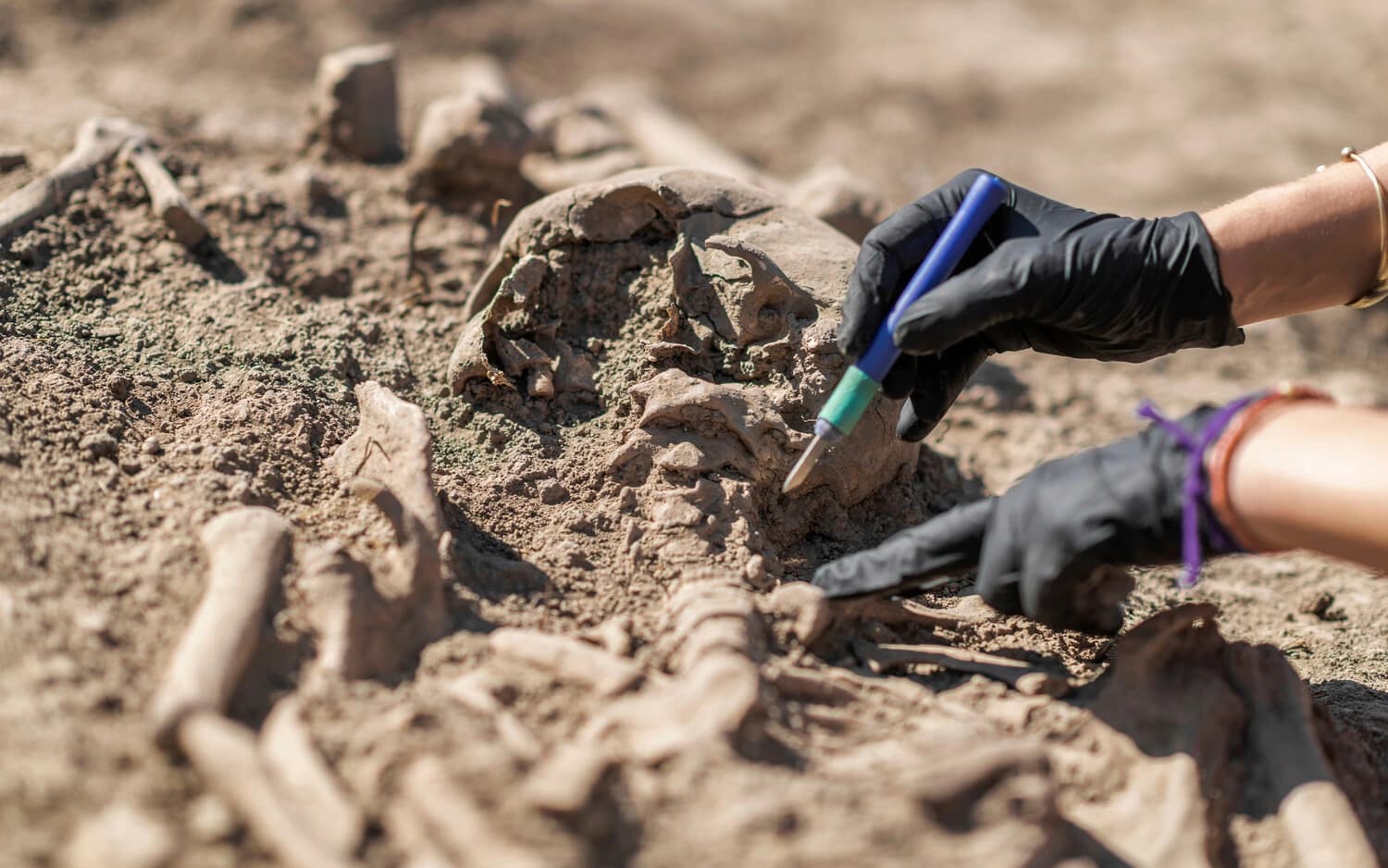
Subsequent excavations revealed an extensive necropolis dated to 4600–4350 BC — its inhabitants lived on the western coast of the Black Sea millennia before the construction of the first Egyptian pyramids. The burial ground yielded gold bracelets, beads, pendants, appliqués and ritual ornaments, as well as copper tools, ceramics, flint blades and shell artifacts.
Uneven wealth and grave No. 43
The wealth was distributed extremely unevenly: according to the Varna Regional Historical Museum, gold was found in only 62 burial complexes, and four graves contained more than five kilograms. The most famous burial is grave No. 43, with the skeleton of an adult man surrounded by about 1.5 kg of gold ornaments and ceremonial regalia. Who he was — a chieftain, a priest, or a holder of some other status — scholars still debate, but the burial itself shows that social inequality in Europe took shape long before the emergence of the first states.
Cenotaphs and exchange networks
Among the rich burials there were also those with no human remains at all: instead, archaeologists found carefully arranged gold objects and symbolic depictions of the human body. They are interpreted as cenotaphs — symbolic burials with a ritual purpose or in memory of people buried elsewhere. Shells of the Mediterranean mollusk Spondylus and copper artifacts indicate that the inhabitants of Varna were part of extensive exchange networks and had achieved a high level of metalworking.