The key facts
- Musk expects to reduce the cost of delivering cargo to orbit to less than $100 per kg
- Starship and Super Heavy are planned to be made fully reusable, with recovery by the launch tower's mechanical arms
- SpaceX intends to increase Starlink capacity 100-fold within two to three years
The goal — $100 per kilogram
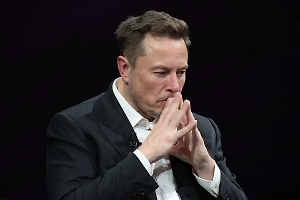
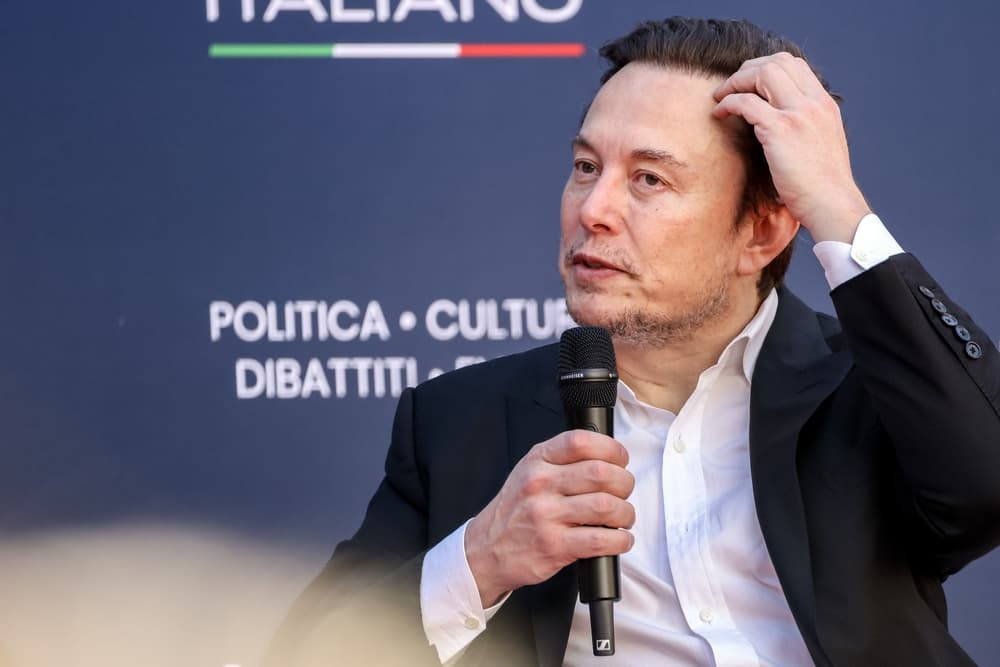
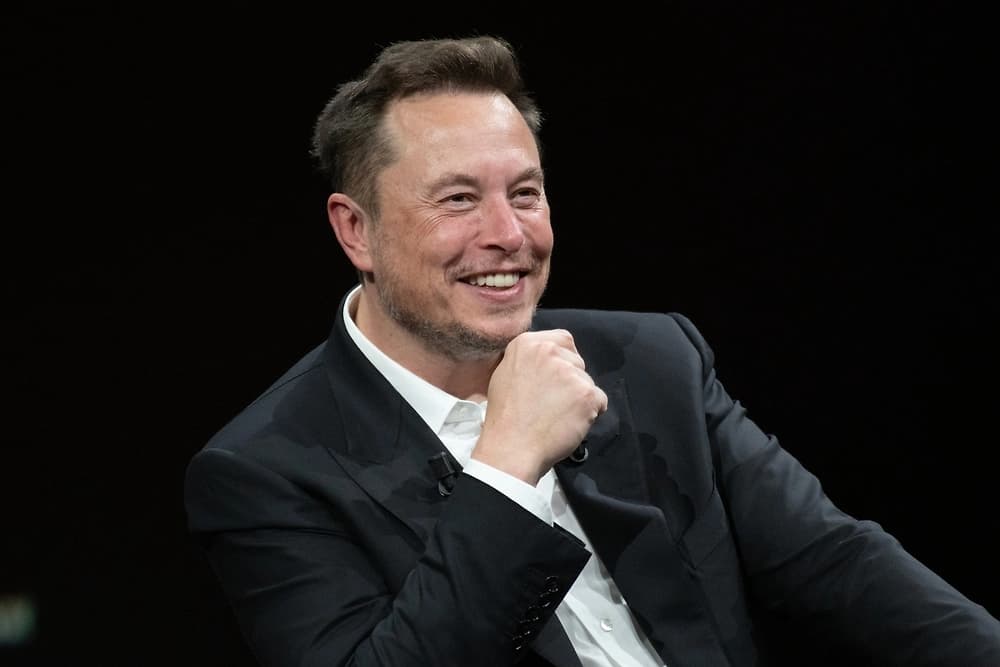
American entrepreneur Elon Musk said that SpaceX, in the long term, expects to reduce the cost of delivering cargo to orbit to less than $100 per kilogram. He spoke about this in a conversation with investor Ron Baron at the Baron Capital conference in New York, reports Life.ru. The company intends to achieve this through the full reusability of the Starship rocket and the Super Heavy booster.
Why Falcon 9 falls short
Musk explained that the current Falcon 9 rocket has already significantly reduced launch costs, but its design does not allow for full reuse: in his estimate, it is only about 80% reusable. The first stage returns to Earth, half of the fairing descends by parachute and is also reused, but the upper stage remains expendable after each flight. Musk compared the cost of the upper stage to the price of a medium-haul passenger aircraft. 'There would hardly be so many air flights if a medium-haul aircraft had to be thrown away after every flight,' the outlet quotes him as saying.
How Starship is supposed to make launches cheaper
Both the spacecraft itself and the Super Heavy booster are planned to be made fully reusable. To reduce the time between flights, SpaceX is developing a system for recovering the vehicles using mechanical arms on the launch tower, which the company calls 'chopsticks': they are supposed to catch the returning booster and spacecraft and place them back on the launch pad. According to Musk's calculations, this scheme would allow Super Heavy to be relaunched roughly once an hour, and in the future — even more often. At the same time, he acknowledged that creating a fully reusable system remains a complex engineering challenge: the company still has to solve the problem of the spacecraft's thermal protection, which must withstand returning from space without lengthy repairs.
Why cheap launches matter and what's happening with Starlink
Musk links the reduction in launch costs to the development of space infrastructure as well: cheaper launches should make it economically viable to place computing capacity for artificial intelligence in orbit. SpaceX expects to begin launching the first StarMind satellites with computers developed jointly with Nvidia in the third quarter of 2027. In addition, Musk said that SpaceX plans to increase the total capacity of the Starlink satellite network 100-fold over the next two to three years — by launching tens of thousands of new satellites. According to him, there are currently about 11,000 Starlink satellites in orbit, mostly second-generation V2 models; the deployment of the V3 version, which, according to the entrepreneur, is more than ten times superior to its predecessors, has already begun. At the end of September, SpaceX sent the first 26 Starlink V3 satellites into orbit during the 14th test flight of the Starship super-heavy rocket system.