The key facts
- Musk promises a hundredfold increase in Starlink capacity within two to three years
- There are currently about 11,000 satellites in orbit, mostly V2; V3 deployment began in late September
- The figures remain company forecasts and require a sharp increase in launch frequency
Musk's statement and what it is based on
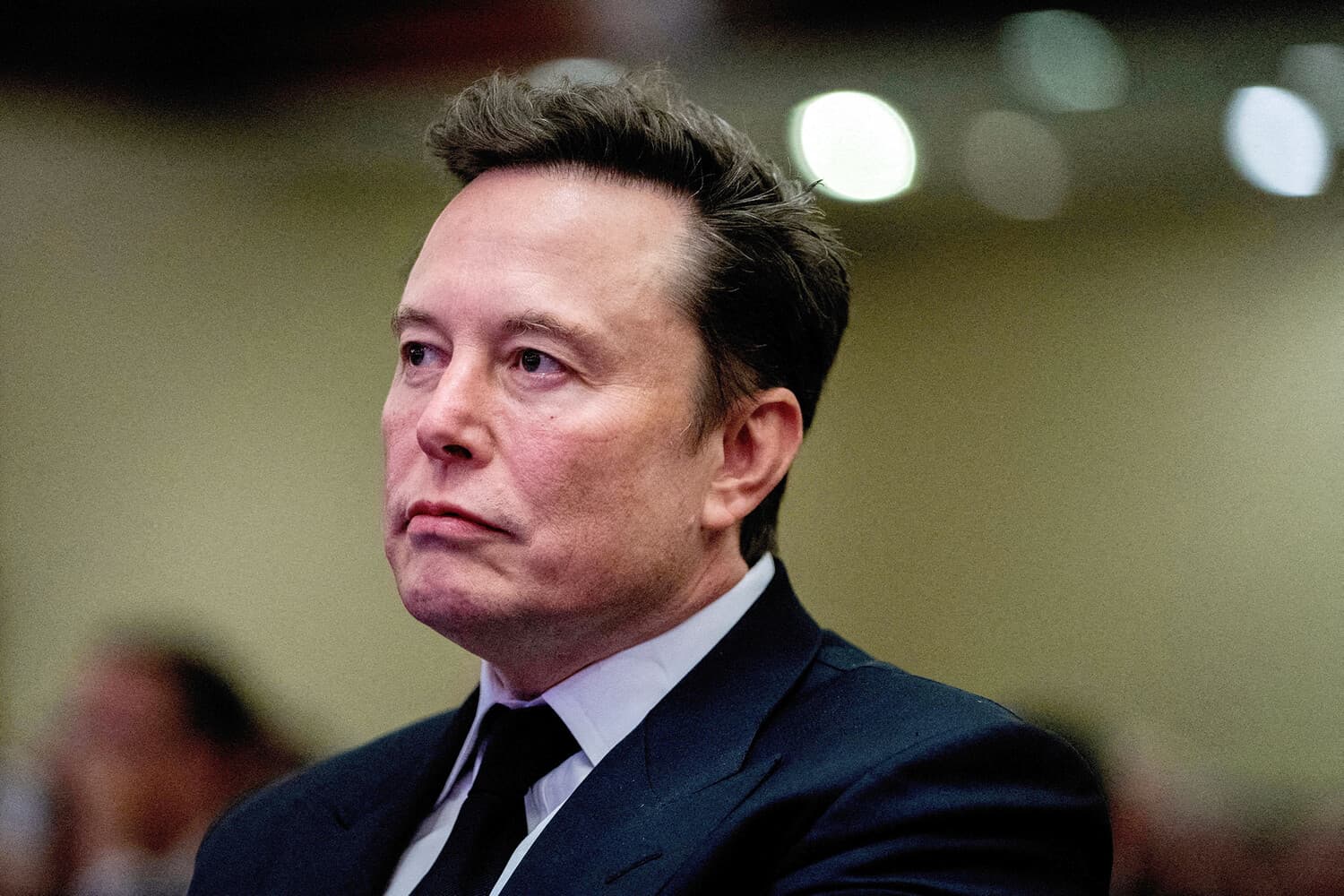
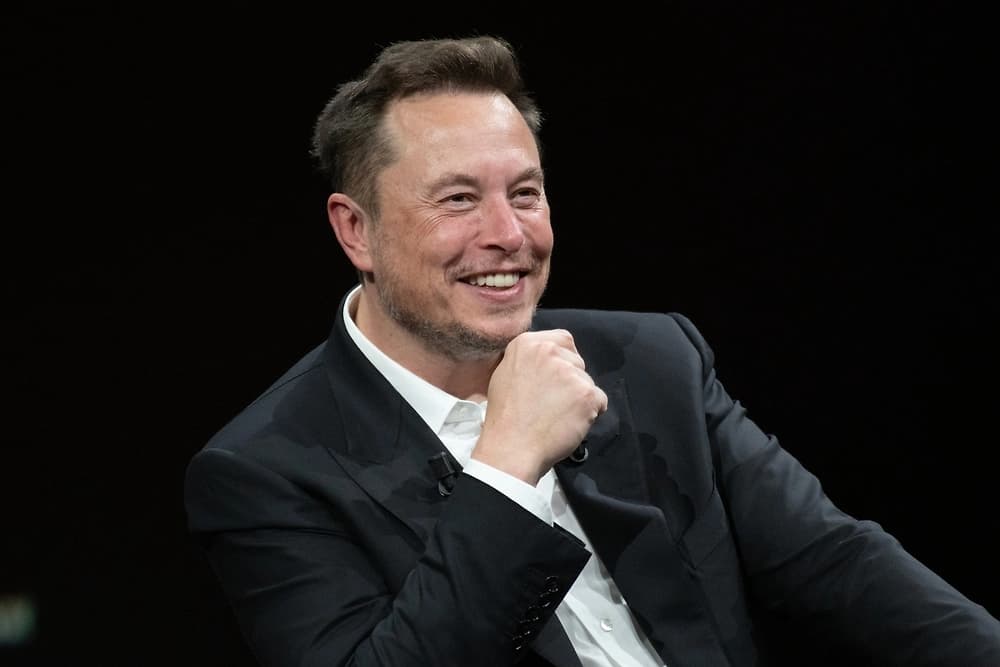
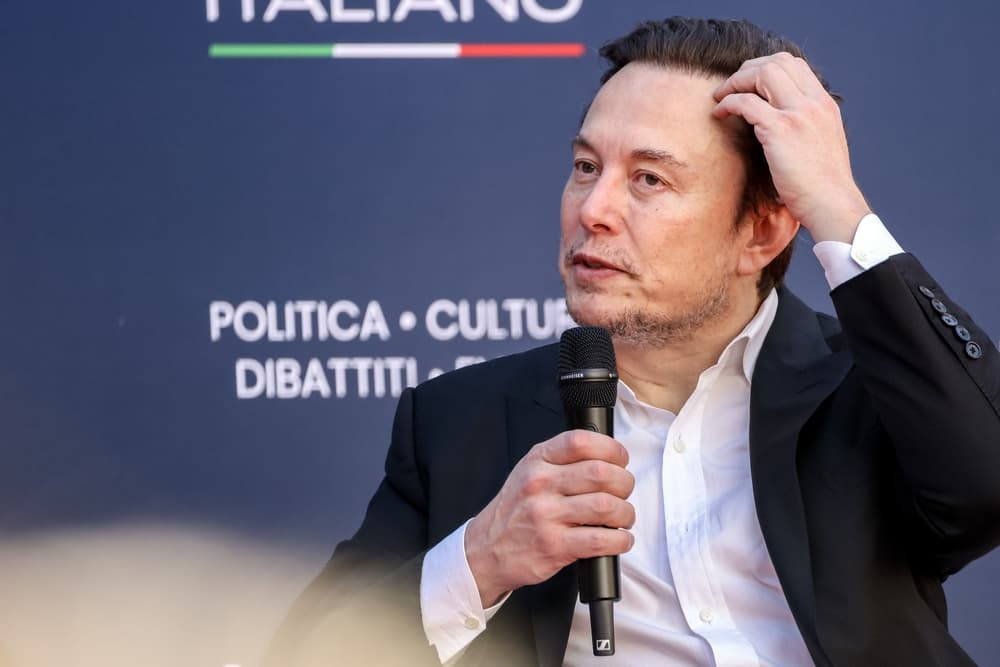
SpaceX plans to increase the total capacity of the Starlink satellite network roughly 100-fold over the next two to three years. The company's founder Elon Musk said this in an interview with American investor Ron Baron, according to Life.ru. According to him, the growth is to be achieved by launching tens of thousands of new satellites.
What has already been done and what is planned
There are currently about 11,000 Starlink satellites in orbit, mostly second-generation V2 models. SpaceX has already begun deploying V3 satellites, which, according to Musk, are more than ten times more capable than their predecessors. 'The V3 satellite is more than 10 times more capable than the V2 satellite, and we intend to launch 10 times as many of them. So in two or three years, Starlink's capacity will be 100 times greater than it is now,' the businessman said. The first 26 V3 satellites were placed into orbit in late September during the 14th test flight of the super-heavy Starship rocket — it is with its help that the company expects to speed up replenishing the constellation. In addition, Musk announced the development of fourth-generation V4 satellites, which, in his estimate, will be roughly another ten times more productive than V3; more powerful laser inter-satellite communication links are planned for them.
What is important to understand
We are talking about the total capacity of the entire network, not a hundredfold increase in internet speed for each individual user. Moreover, the figures announced so far remain SpaceX forecasts: to achieve them, the company will have to significantly increase its launch cadence and deploy a large constellation of next-generation satellites. Recent pressure on Musk's businesses also provides context: according to Life.ru, Tesla and SpaceX lost a combined total of about $420 billion in market value after the US midterm elections, and the election results, as the outlet noted, called into question the implementation of the entrepreneur's major technology projects in Texas.