The key facts
- Musk proposed placing AI data centers in orbit powered by solar panels
- By his calculations, AI's growing demand of 200 GW per year would mean expanding the US power grid by 40% annually
- The launch of the first Star Mind complexes is scheduled for 2027; testing of devices with Nvidia and Google TPU processors is reported
The idea: moving AI computing into orbit
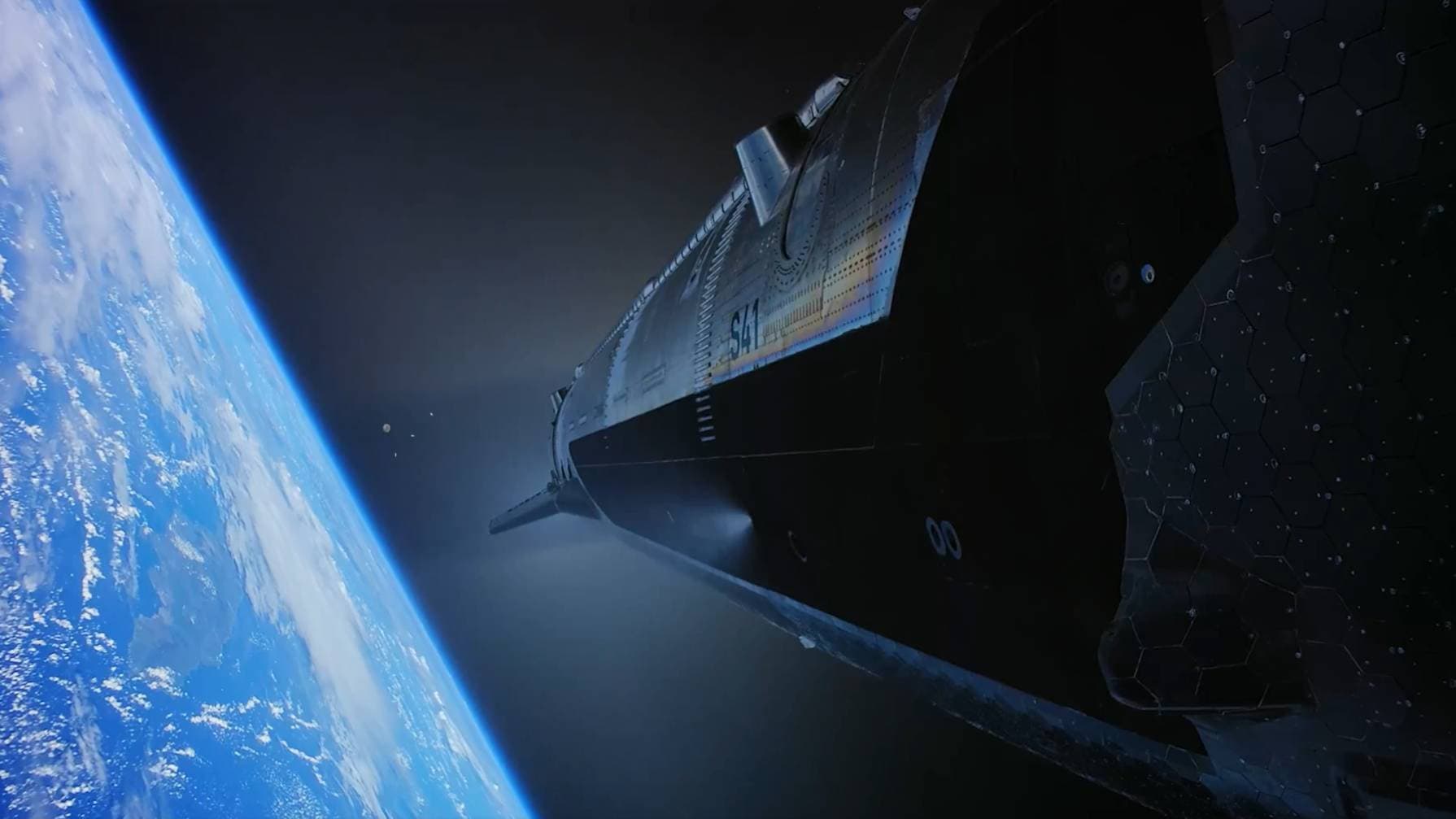
American entrepreneur Elon Musk has proposed moving servers and computing centers for artificial intelligence into near-Earth orbit. He spoke about this in an interview with investor Ron Baron, reports Gazeta.Ru citing CNBC. The argument is AI's growing demand for electricity: space-based servers could be powered around the clock by solar panels without straining Earth's power grids.
The energy deficit calculation
“To reach a scale of a terawatt per year, or even, say, 200 gigawatts per year, you really do need to go into space, because on Earth there simply won't be enough energy to realistically provide such volumes,” — quotes Musk Life.ru. He gave this calculation: average US power grid consumption is just over 500 gigawatts, and if 200 gigawatts were added annually for AI needs alone, the power system would have to be expanded by roughly 40% per year — a pace the entrepreneur considers practically unattainable.
Why space is more advantageous and what has already been done
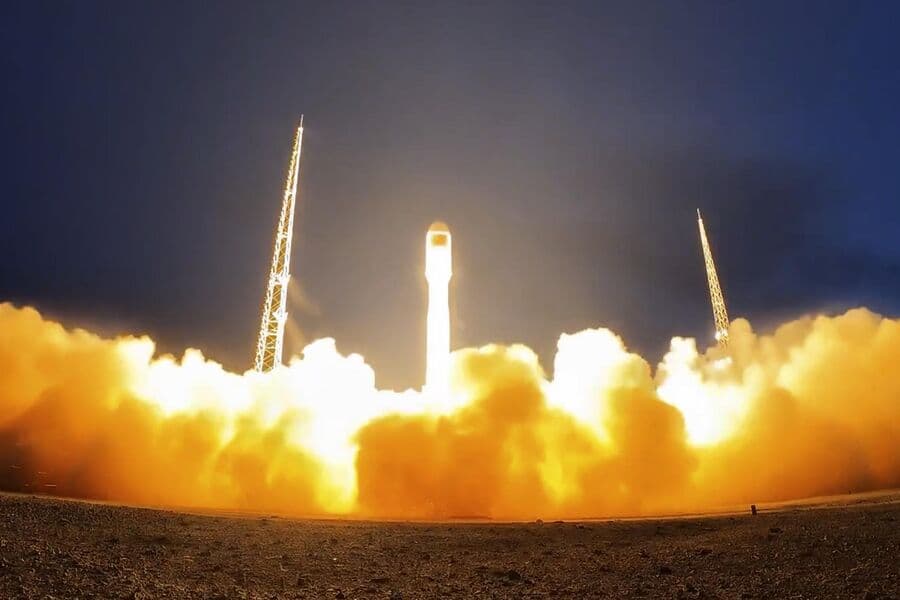
According to Musk's estimate, solar panels in orbit generate roughly 30% more energy due to the absence of atmospheric scattering, and on some orbits nearly continuous sunlight is possible, which reduces the need for batteries. In his view, lower launch costs thanks to Starship will eventually make orbital computing centers cheaper than ground-based ones. Life.ru additionally reports that Musk stated orbital devices with Nvidia and Google TPU processors had been successfully tested, and the launch of the first specialized Star Mind complexes is planned for 2027. Gazeta.Ru also recalls Musk's earlier plan to deploy a million satellites in orbit as a distributed computing center. All the figures and timelines cited are the entrepreneur's own estimates and statements; the sources do not report any independent verification or reaction from energy experts.