The key facts
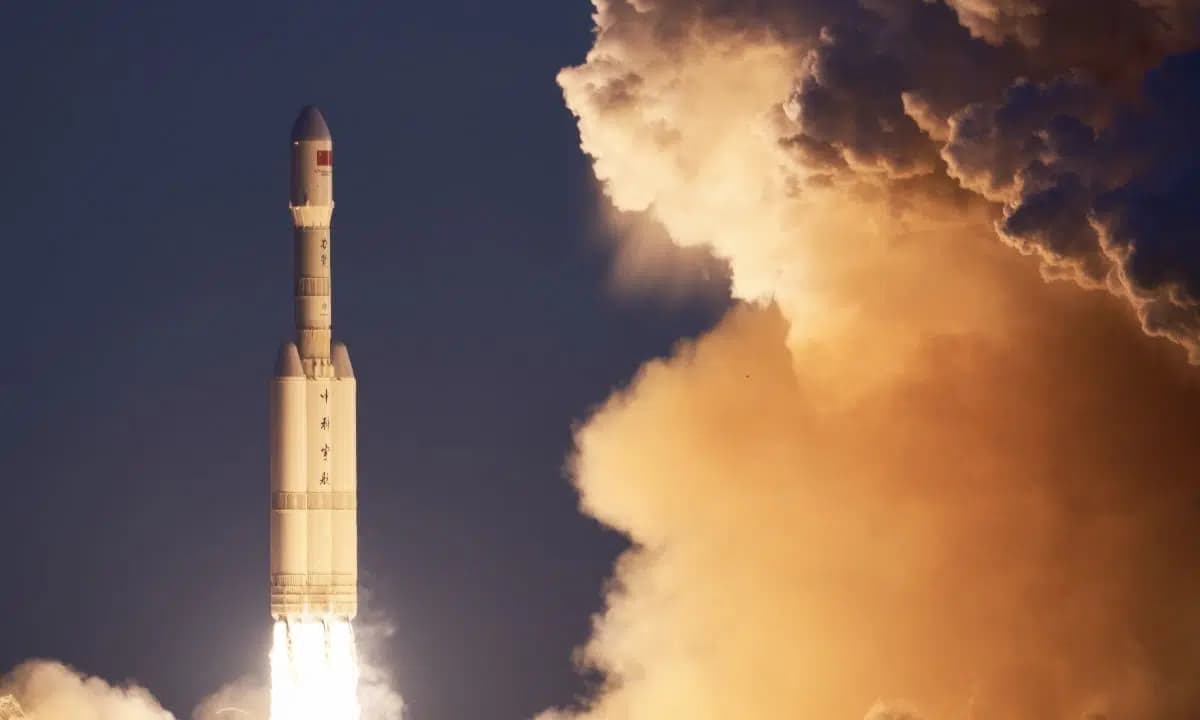
- On November 7, 2026, the Ceres-2 Y3 rocket placed the Guanlan, YunYao-1 28, Zhongbei University-1 and Juntian-1 06A satellites into a 535 km sun-synchronous orbit.
- This is Ceres-2's first successful launch after the January failure of its first test launch.
- Galactic Energy became the first private rocket company in China to successfully launch two new rocket models in a single year.
Ceres-2's first success since the January failure
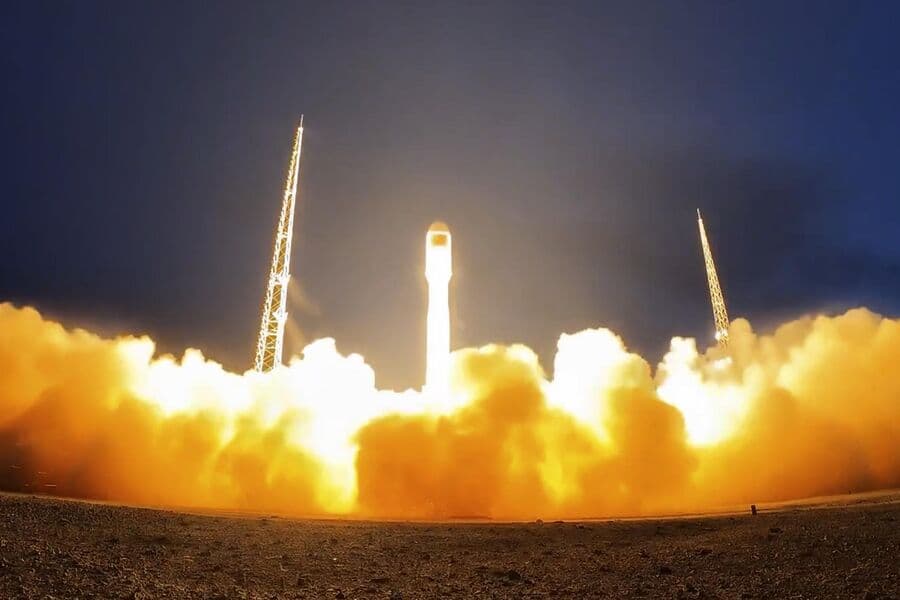
On November 7, 2026, at 7:37 Beijing time, the Chinese private company Galactic Energy launched the Ceres-2 Y3 rocket from the Jiuquan spaceport and placed four satellites into a 535 km sun-synchronous orbit. This was reported by the Xinhua news agency, which is cited by Gazeta.Ru. The launch marked Ceres-2's first successful flight since the January failure: during its first test launch, the rocket failed to reach orbit.
Which spacecraft were placed into orbit
Four research spacecraft with different missions were sent into orbit. Guanlan, developed by the Shanghai Institute of Satellite Engineering, is designed for ocean remote sensing: using a radar altimeter, it will measure sea surface height, wind speed and wave height with an accuracy of up to 4 cm at any time of day and in any weather. YunYao-1 28, built by Tianjin YunYao, is intended for sounding the atmosphere and ocean surface and is equipped with a space robotic arm and cameras for testing intelligent operations in orbit. Zhongbei University-1, the first satellite of the Taihang project, will monitor mineral resources and provide warnings of geological disasters, while Juntian-1 06A is designed for monitoring the space environment.
What this launch means for the company
Ceres-2 Y3 is a medium-class rocket for the commercial market: three sequential solid-fuel stages and a liquid-fueled upper stage, a liftoff mass of about 100 tons, the ability to launch from the ground or a sea platform, and a payload capacity of 1.3 tons to a 500 km orbit. According to Xinhua, this launch made Galactic Energy the first private rocket company in China to successfully launch two new rocket models within a single year. For the company itself, the flight is also important as confirmation that Ceres-2 works after the January failure. The context of the development of Chinese private spaceflight is broadened by another recent success: the company LandSpace earlier successfully launched and landed the reusable ZQ-3 rocket.