The key facts
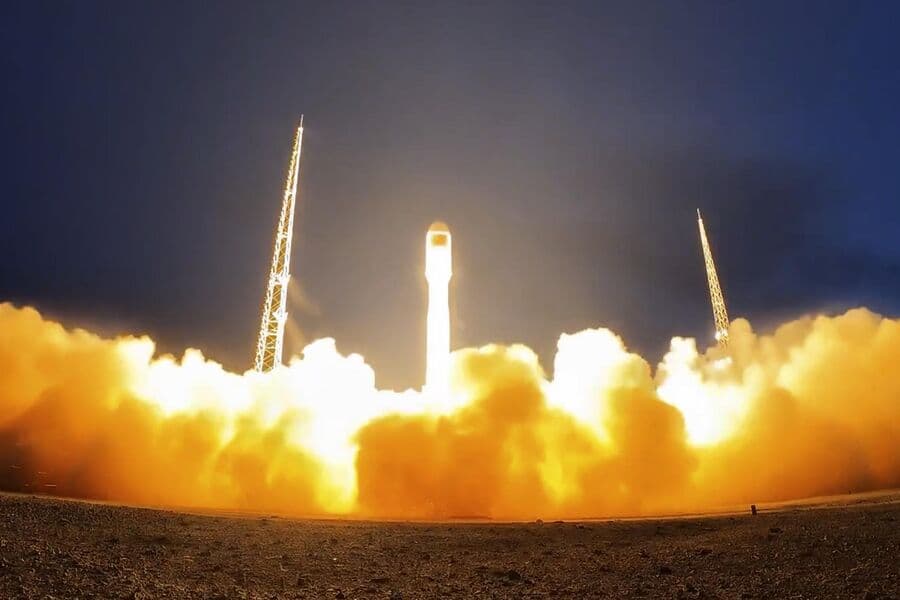
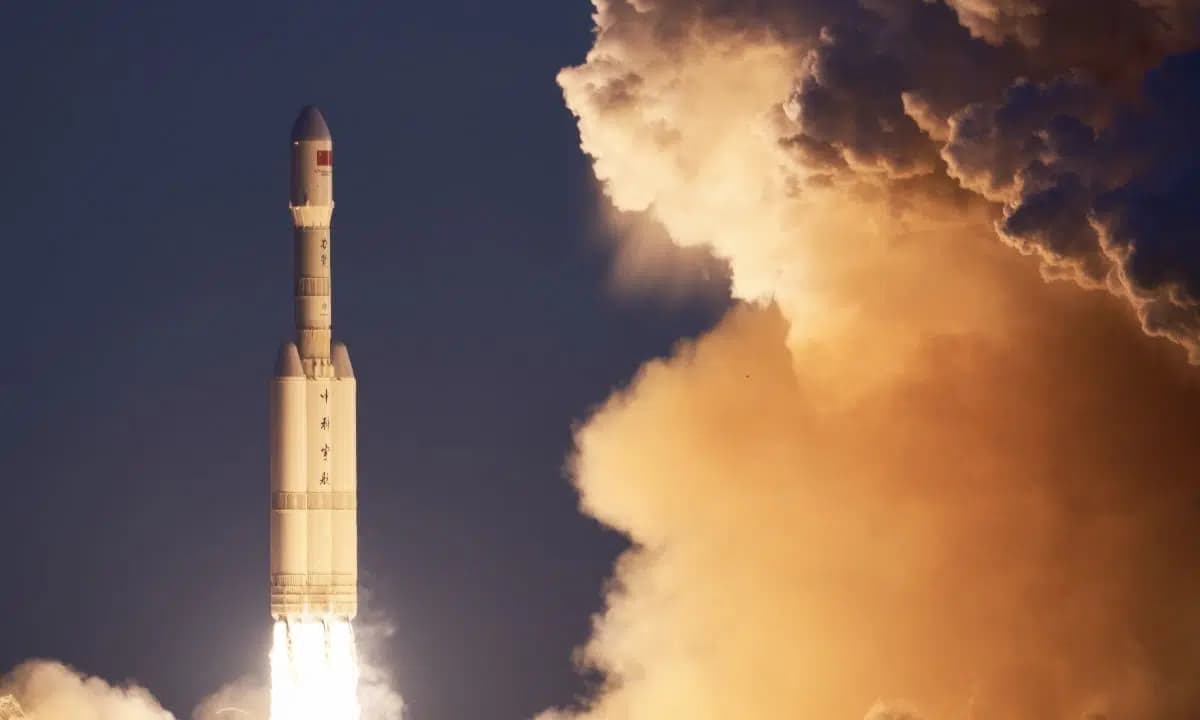
- On November 3, CAS Space's Kinetica-2 Y2 rocket launched 18 satellites of the Qianfan project from the Dongfeng spaceport
- This was the rocket's second flight and its first deployment of a large batch of satellites for the internet constellation
- The constellation already has 256 satellites; 68 more are planned by the end of 2026, bringing the total to 324
Successful launch of 18 satellites
The Chinese private rocket Kinetica-2 (Y2), developed by CAS Space, successfully placed 18 satellites into their designated orbits on November 3. The launch took place from the Dongfeng commercial space innovation test site in northwestern China. The spacecraft became the next, 21st batch of satellites of the Qianfan national satellite internet project, deployed in polar orbits. This was reported by Kun.uz citing company data.
What this launch means
For the Kinetica-2 rocket, this was its second flight and its first mission to deploy a large number of satellites for a major internet constellation. According to CAS Space, the launch demonstrated the growing capabilities of China's private commercial space sector in implementing national space infrastructure projects: the state is involving private aerospace enterprises in the large-scale deployment of low-orbit satellite internet systems. Yan Haoliang, the rocket program director and chief designer, stated that China's low-orbit satellite internet program has entered an important stage of accelerated spacecraft deployment, and that the country's demand for launch services is growing noticeably as satellite systems are built out faster.
Rocket specifications and constellation plans
The Kinetica-2 can carry up to 8 tons of payload to a 500 km sun-synchronous orbit and up to 12 tons to a 200 km low Earth orbit. These figures make it possible to deploy many satellites at once and deliver cargo to space at low cost. According to data published on the official website of the Shanghai government, the number of low-orbit broadband communications satellites in the Qianfan constellation has reached 256. By the end of 2026, another 68 satellites are planned to be launched, bringing the total to 324 — this should create the foundation for the system to begin commercial operation.