The key facts
- University of Virginia study based on FDA data for 2017–2025: cardiac arrest was reported 11 times more often with caffeinated drinks
- Nearly half of reports of cardiovascular events concerned people aged 18–34
- The UAE has a 100 percent excise tax, a sales ban for under-16s and a ban in school canteens; according to Euromonitor, taxes cut sales by up to 65% in 15 months
Caffeine and the heart: what the FDA data analysis revealed
A study to be presented on Friday at the American Heart Association's Scientific Sessions links energy drinks and pre-workout supplements to serious cardiovascular events, including heart attacks. Scientists at the University of Virginia School of Medicine analyzed more than 28,000 adverse event reportsfiled with the U.S. Food and Drug Administration (FDA) database from 2017 to 2025, and compared reactions to caffeine-containing products — from soda and protein bars to meal replacements — with caffeine-free counterparts.
The numbers: how much higher the risk is
Cardiac arrest appeared in reports roughly 11 times more often with caffeinated drinks, heart attacks 4.5 times more often, and rhythm disturbances and palpitations 4 times more often. Rapid heartbeat, chest pain and fainting occurred more than twice as often. Nearly half of the reports of cardiovascular events concerned people aged 18–34 — a group not usually considered at risk. At the same time, as American Heart Association president Gregory Marcus emphasized, the study does not prove causation: 'there are biological reasons why such a link is possible,' but other factors could have influenced the results, and further research is needed.
The caffeine dose is higher than it seems
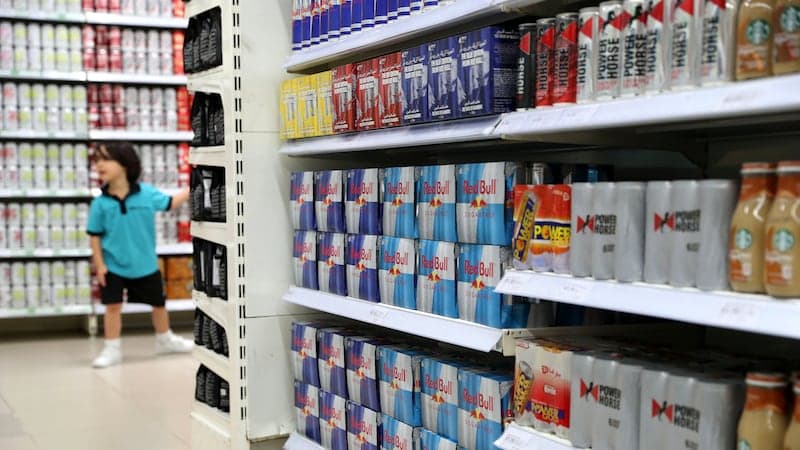
The authors note that many products are sold as everyday pick-me-ups — on shelves next to soda and water, without warning labels. While about five cups of coffee a day (roughly 44 mg of caffeine) is usually considered safe, some energy drinks contain three times as much, and pre-workout supplements contain 12 times more caffeine per fluid ounce than regular coffee. Many drinks include guarana, which adds caffeine, and the total dose may exceed what is shown on the label. Cardiologist at Medcare Hospital in Dubai Zaidoun Hajali noted that young patients often do not consider energy drinks a source of caffeine: asked about coffee, they answer 'one cup,' but when asked further about energy drinks, pre-workout powders and iced coffee, the real total turns out to be significantly higher.
The practice of Dubai cardiologists
Hesham Tayel, consultant cardiologist at International Modern Hospital in Dubai, said that in recent years he has seen more and more young patients with problems after large doses of energy drinks — more often not cardiac arrest or heart attacks, but complaints arising from combining energy drinks with pre-workout supplements, nicotine, sleep deprivation or intense exercise. 'These drinks are not just coffee in a can. Many contain multiple stimulants,' he said. According to him, doctors' concern is that it is impossible to know in advance which patient is vulnerable: an outwardly healthy young person may have a hidden electrical disorder of the heart or a predisposition to arrhythmia that will only manifest after a large dose of stimulants. He believes energy drinks should be treated as stimulants, not as soft drinks.
What is already in force in the UAE
The study is published against the backdrop of restrictions already in force in the Emirates: energy drinks are subject to a 100 percent excise tax, people under 16 are prohibited from buying them, packaging carries warnings for people with heart disease, hypertension and breastfeeding women, and sales in canteens of schools, educational institutions and medical centers are banned. The measures have a measurable effect: according to Euromonitor International, taxes reduced energy drink sales by up to 65% in the first 15 months after introduction, and the Federal Tax Authority reported that tax policy pushed manufacturers to change formulations and expand healthier product lines. Thus, the new study adds medical arguments to a policy already applied in the UAE — while the authors themselves acknowledge that the question of causality requires further study.