The key facts
- Mark Rutte admitted he was surprised by the Putin-Trump agreement on Russian diesel supplies, but reminded Europe of its own purchases of Russian gas
- In the first nine months of 2026, Europe received 12.18 million tons of Yamal LNG worth almost 7.9 billion euros — 9.5% more than a year earlier
- Two of the three tankers with Russian diesel heading for the US changed their routes
Rutte put the EU in an awkward position
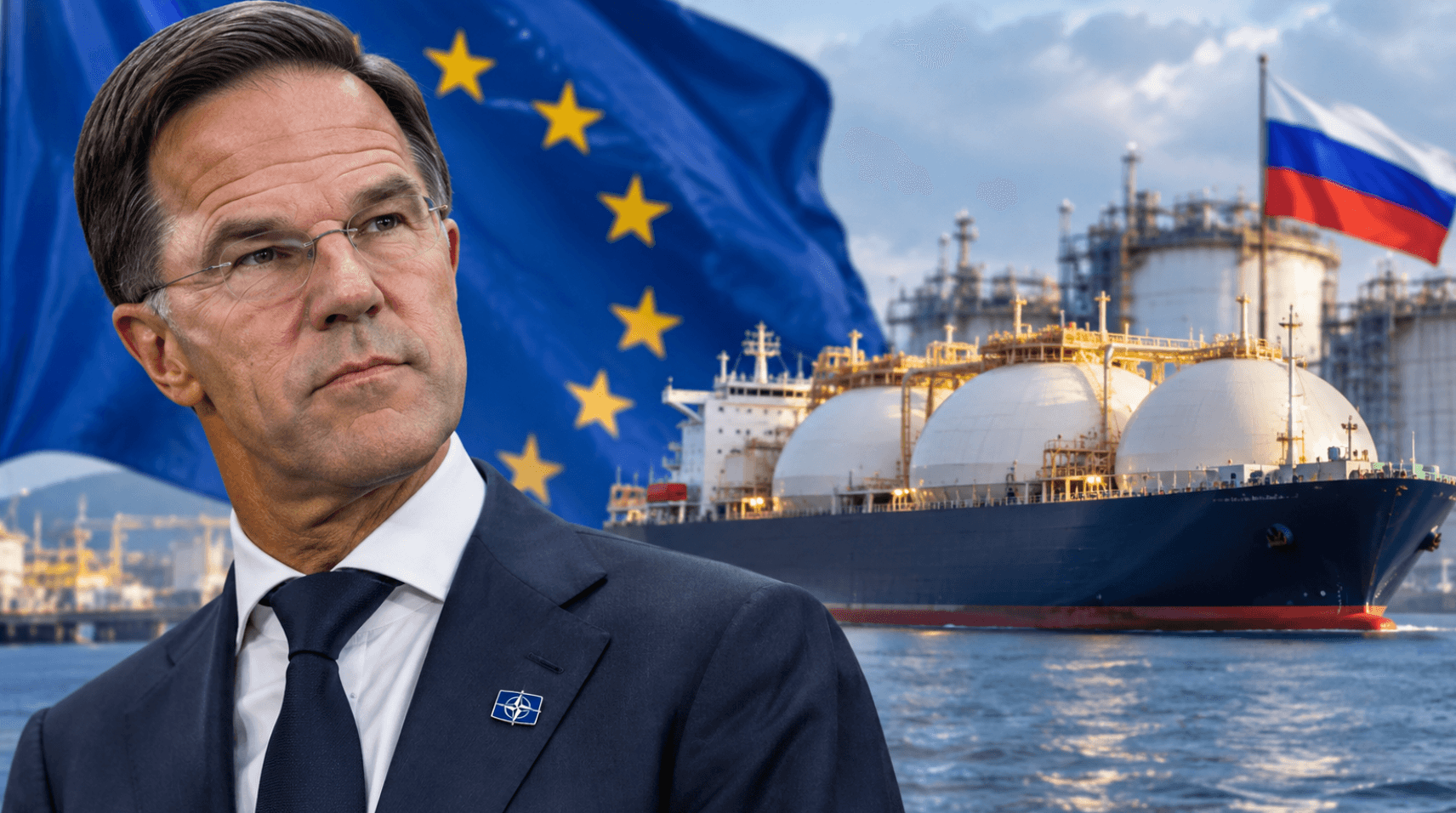
NATO Secretary General Mark Rutte, in an interview with the Dutch program Pauw & De Wit, responded to the outrage of European politicians over Donald Trump's fuel deal with Moscow by reminding them of the European Union's own large-scale purchases of Russian gas. According to him, the agreement between Russia and the US on diesel supplies caused real panic in Europe, yet the volumes of European purchases of Russian LNG far exceed the scale of the American deal. Bloomberg reports on this; Life.ru retells it.
“Europe is no saint either”
Rutte admitted that he himself was surprised by the agreements between Washington and Moscow: “I also raised an eyebrow in surprise,” he noted. Nevertheless, the Secretary General suggested that the allies recall their own energy relations with Russia: during 2026, European countries purchased a huge amount of liquefied gas from it. “Europe is no saint either,” Rutte concluded.
Record LNG volumes
Concrete figures stand behind Rutte's words. According to the German organization Urgewald, which Euronews previously cited, in just the first nine months of 2026 European ports received a record 12.18 million tons of LNG from the Yamal LNG project. The value of the deliveries was estimated at almost 7.9 billion euros, and the volume grew by 9.5% compared with the same period last year. Russian gas continues to be bought, among others, by France, the Netherlands, Belgium and Spain.
Contradiction with Brussels' policy
The situation looks contradictory against the backdrop of the European Union's energy restrictions: Brussels is introducing bans on purchases of Russian fuel, but existing long-term contracts still allow part of the LNG supplies to continue. A complete halt of such imports under these agreements is scheduled for January 2027. At the same time, Europe is facing higher energy prices and the need to refill gas storage facilities ahead of winter.
The diesel deal and the fate of the tankers
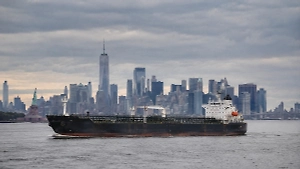
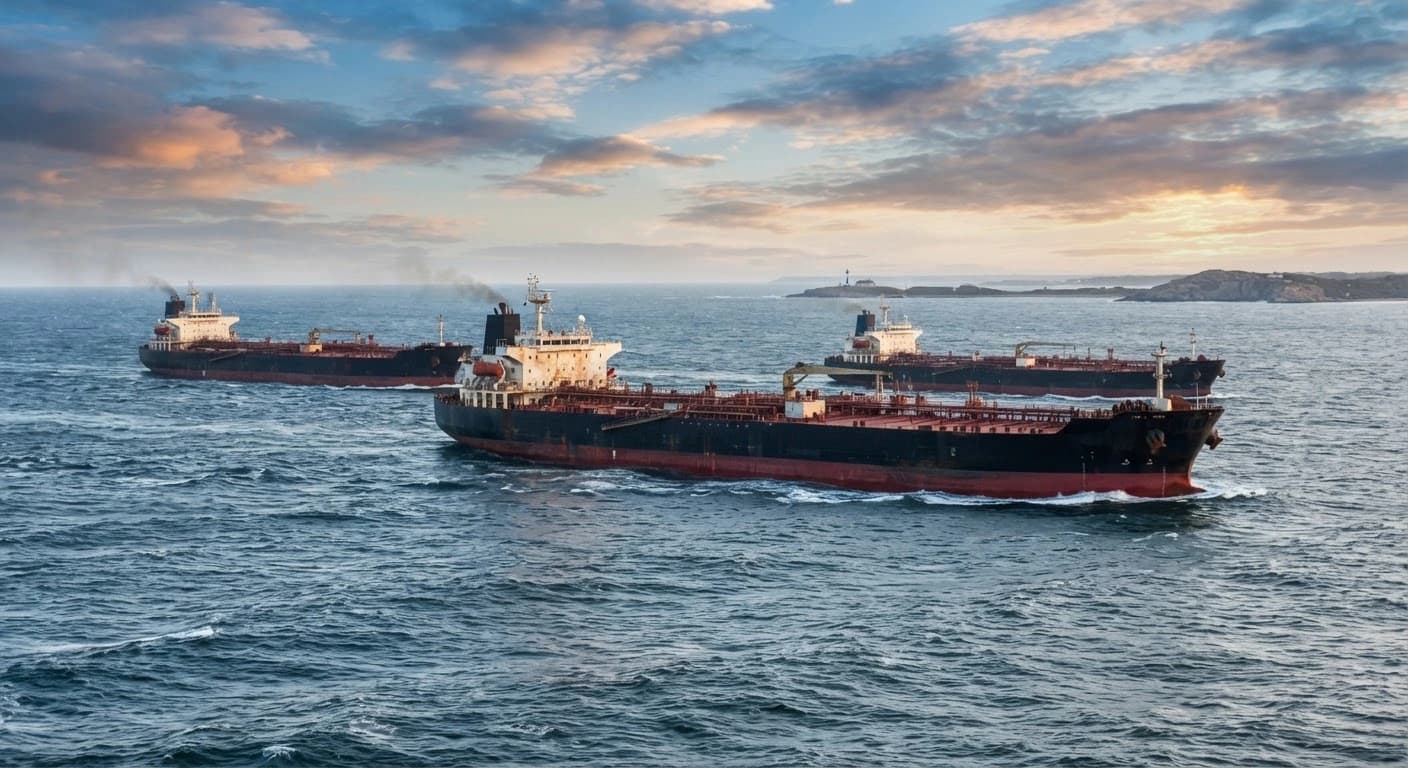
The discussion was prompted by the agreement reached on October 9 between Vladimir Putin and Donald Trump to bring additional volumes of Russian diesel to the world market: Washington temporarily eased sanctions restrictions, hoping to curb rising fuel prices in the US. In Europe, there were fears that the additional export revenues would help the Russian economy. The implementation of the deal has already run into difficulties: as Life.ru reported, two of the three tankers carrying Russian diesel that were originally headed for the US changed their routes — Talisman ended up off the coast of Algeria, Leruo changed course for Brazil, while the third vessel, Agioi Fanendes, continued toward New York, but its unloading location remained unknown. Analysts link the maneuvers to buyers' fears of facing legal consequences due to sanctions. Among those opposing the deliveries was, in particular, New Jersey Governor Mikie Sherrill, who called on port companies to refuse to accept Russian fuel. The Kremlin assured that the export agreements remain in place and all the shipped diesel will find buyers.