The key facts
- From December 1, the quota for fertilizer exports from Russia outside the EAEU will drop from 20 to 18.8 million tonnes, with the restrictions extended until May 31, 2027.
- Supplies to EAEU states, including Uzbekistan, as well as humanitarian deliveries and international transit, are not covered by the quotas.
- About 60,000 tonnes of Russian fertilizers for African countries remain blocked in European ports, according to Russian diplomacy.
Quota cut by 1.2 million tonnes
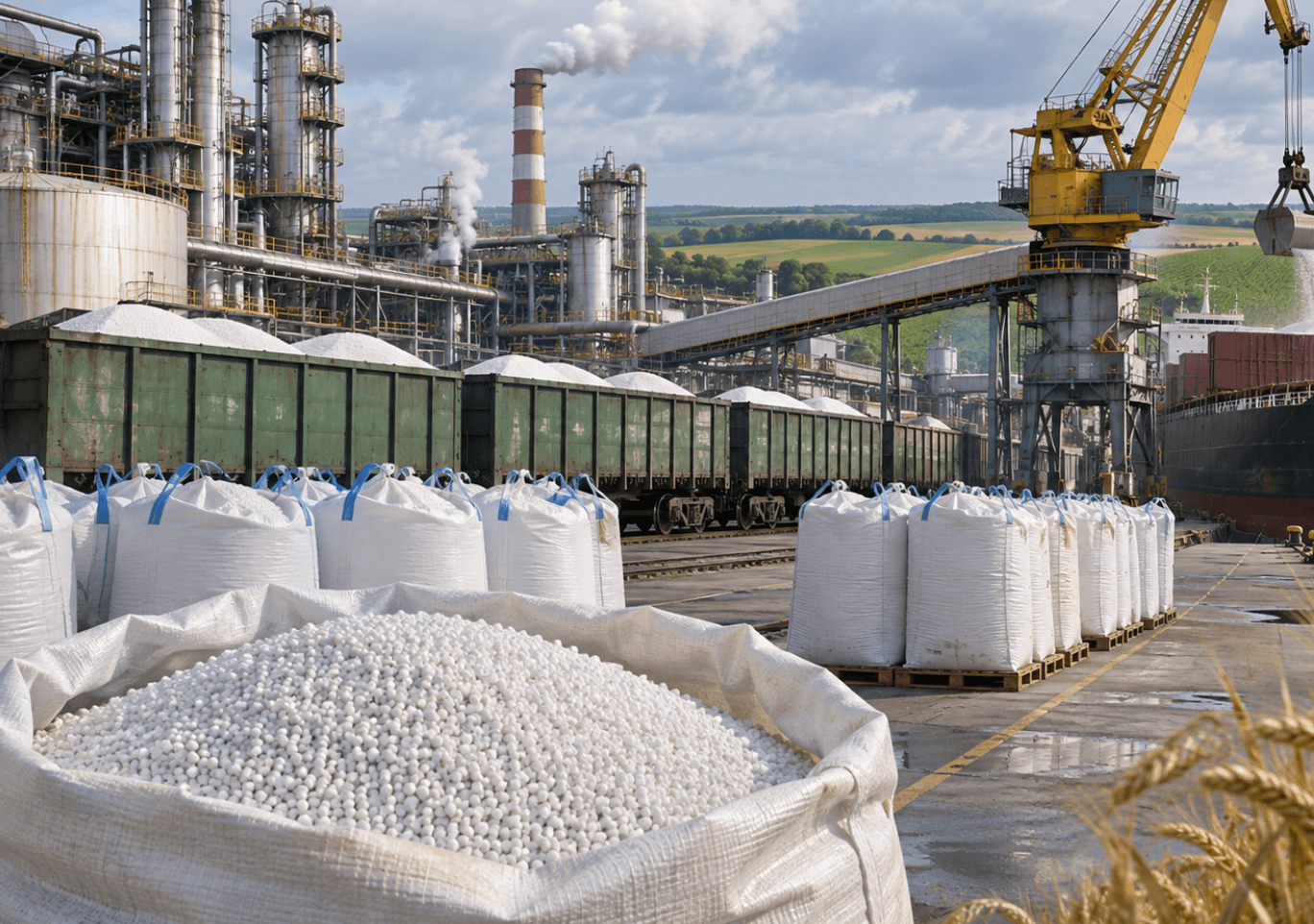
The Russian government has extended restrictions on the export of mineral fertilizers outside the Eurasian Economic Union for another six months — until May 31, 2027 — and from December 1 is reducing the permitted export volume by about 1.2 million tonnes: the quota will exceed 18.8 million tonnes, compared with the current 20 million. This was reported by the cabinet's press service; the decision is reported by Life.ru.
How the limit is distributed
The bulk of the quota — more than 11.3 million tonnes — is allocated to nitrogen fertilizers, including over 2.3 million tonnes of ammonium nitrate. Another more than 7.5 million tonnes is allowed for export in the category of compound fertilizers. The government says the measures are aimed at preventing a fertilizer shortage inside the country ahead of the spring field work and at ensuring uninterrupted supplies to agricultural producers and companies producing animal feed. There is no full export ban: the quotas do not affect supplies to EAEU states, Abkhazia and South Ossetia, nor international transit and humanitarian deliveries, including to countries in need.
What this means for Uzbekistan
For Uzbekistan as a member of the EAEU, the practical significance of the decision is that the existing supply scheme remains in place: the quotas apply only to exports outside the union, and the volumes of Russian fertilizer imports into the republic are not restricted by the new limits. The export restriction system itself has been in force in Russia since December 2021 — it was originally introduced to curb domestic prices for fertilizers and food, and in 2022 Vladimir Putin instructed the government to extend such measures when necessary. The permitted export volumes have since been regularly revised based on the needs of the domestic market.
Exports and blocked shipments
Russian fertilizers remain in demand abroad: Brazil has previously asked Moscow to increase supplies, while India and China remain important export destinations. At the same time, humanitarian deliveries, formally exempt from the quotas, face separate obstacles. As Life.ru reported citing Anna Evstigneeva, Russia's deputy permanent representative to the UN, about 60,000 tonnes of fertilizers intended for countries in need in Africa remain blocked in European ports. Initially, due to sanctions restrictions, about 262,000 tonnes of products were stuck in ports in Latvia, Estonia, Belgium and the Netherlands; back in 2022, according to her, Moscow was offered to transfer these stocks free of charge, and more than 200,000 tonnes were delivered to Malawi, Kenya, Nigeria, Zimbabwe, Sri Lanka and Bangladesh. The remaining shipments, the Russian diplomat claims, continue to face bureaucratic and financial obstacles. These claims come from the Russian side; the publication provides no independent confirmation of them.