The key facts
- In 2027, Macao will mark 10 years as a UNESCO Creative City of Gastronomy — numerous gastronomic events will take place
- The city has 21 Michelin-starred restaurants and 13 Bib Gourmand establishments; food accounts for up to a quarter of tourists' spending
- The authorities have launched free buses to less crowded areas and subsidies for small businesses
Anniversary of the status and the gastronomic programme
In 2027, Macao will mark 10 years since it was granted the status of a UNESCO Creative City of Gastronomy. This was announced at the World Travel Market exhibition in London by Maria Helena de Senna Fernandes, Director of the Macao Government Tourism Office, in a conversation with Euronews Travel. According to her, '2027 is a very special year' and next year 'there will definitely be many food-related events' — the authorities are preparing 'a big celebration of food'.
From Michelin stars to street food
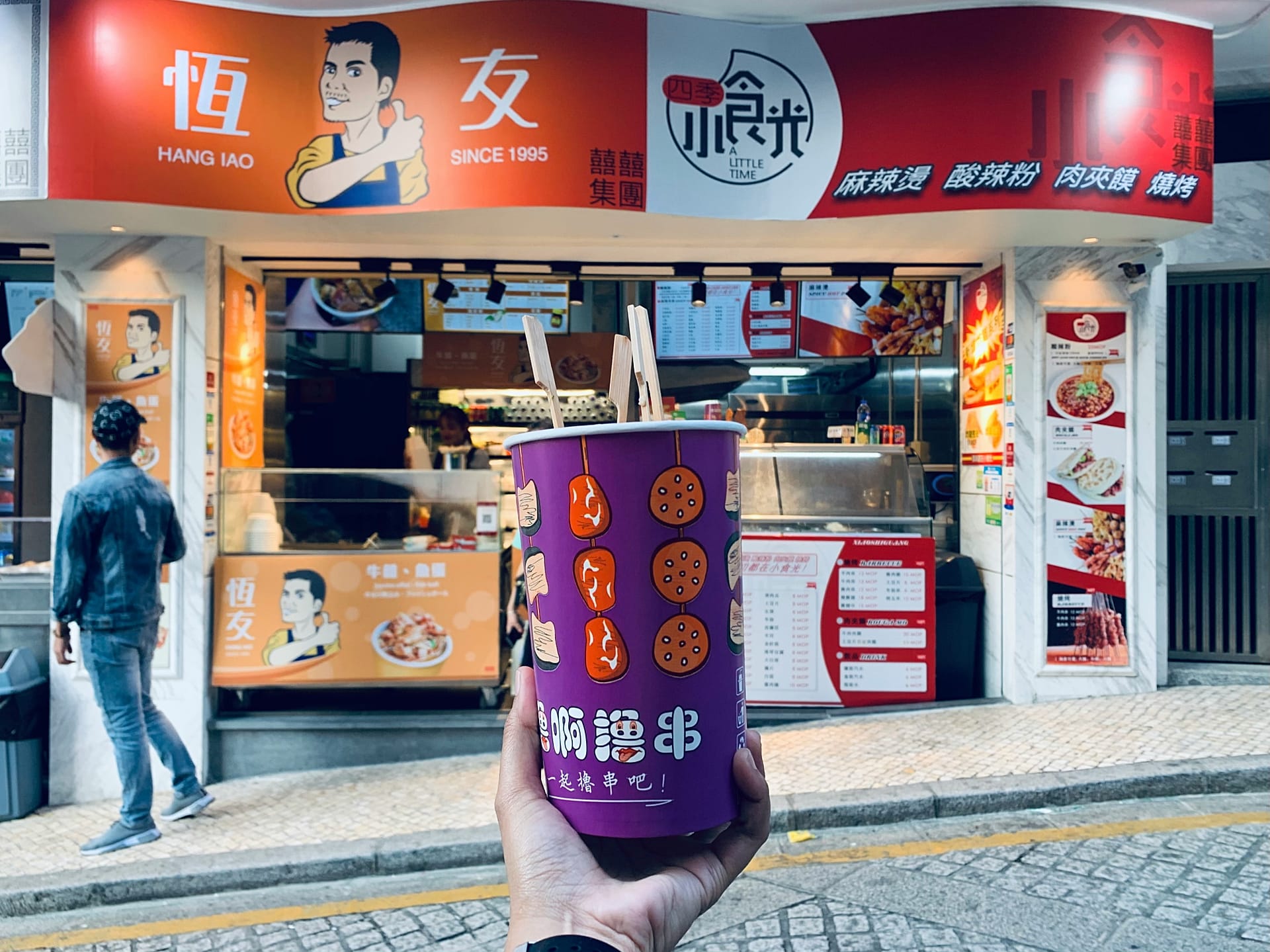
Macao, located on the western shore of the Pearl River Delta, is known for Macanese cuisine, which blends Portuguese and Chinese flavours; it is considered one of the earliest examples of fusion gastronomy, and in 2012 the local authorities recognised it as intangible heritage. As part of the upcoming celebration, tourists will be able to visit 21 restaurants awarded one, two or three Michelin stars, as well as 13 more establishments with the Bib Gourmand designation. De Senna Fernandes emphasised that, alongside fine dining, the city also has a well-developed street food scene: for example, the establishment Ng Teng Kei has been making red bean pastriesby hand since 1949, and from October to May it serves a regional favourite, 'martabak manis' — chocolate between layers of fluffy sponge cake. According to her, food accounts for up to a quarter of tourists' spending. To preserve its culinary heritage, Macao is creating a database of Macanese cuisine together with scholars, associations, young people and overseas Macanese communities; a similar database on Cantonese cuisine is also being prepared.
Developing less crowded areas
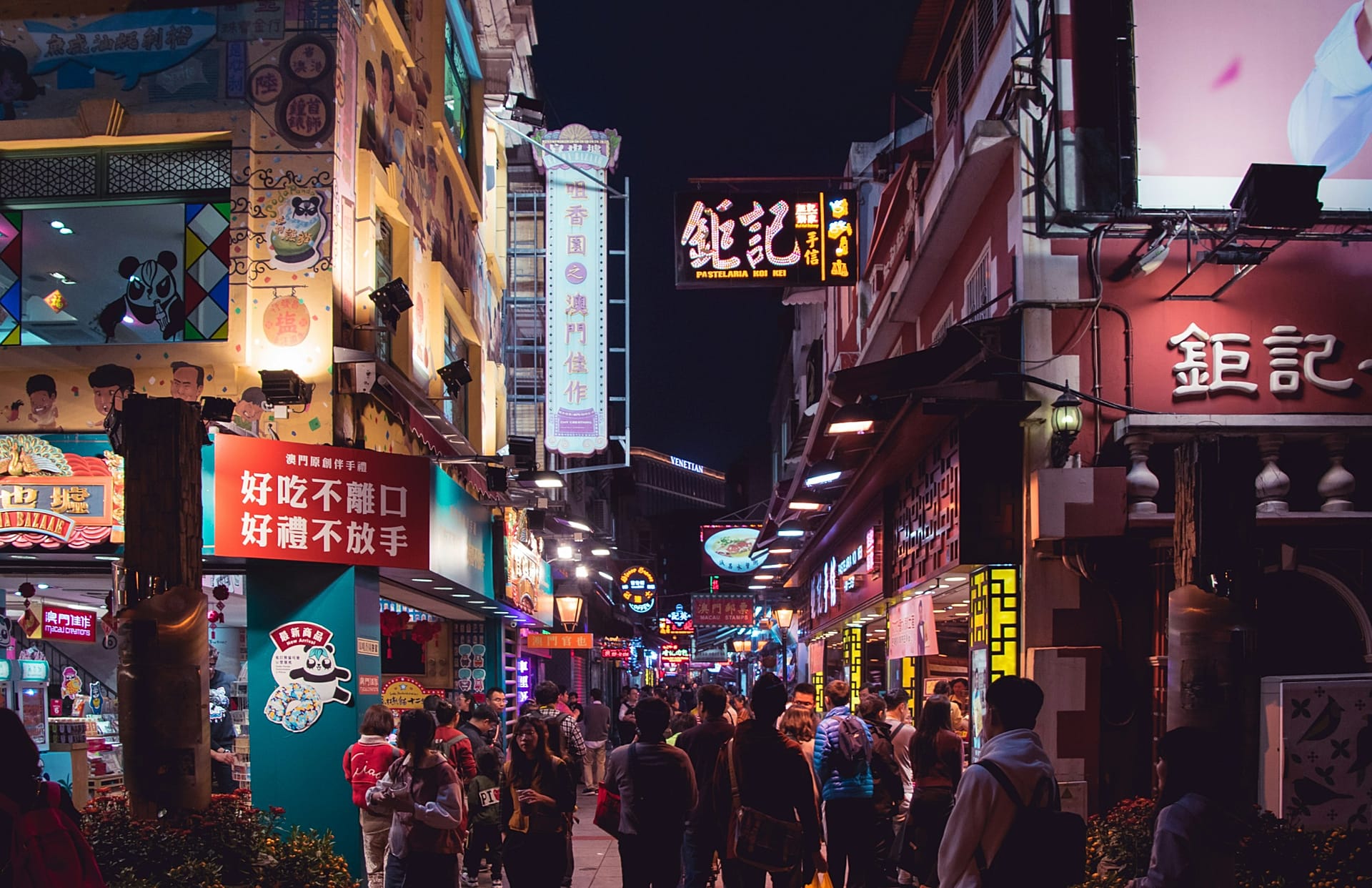
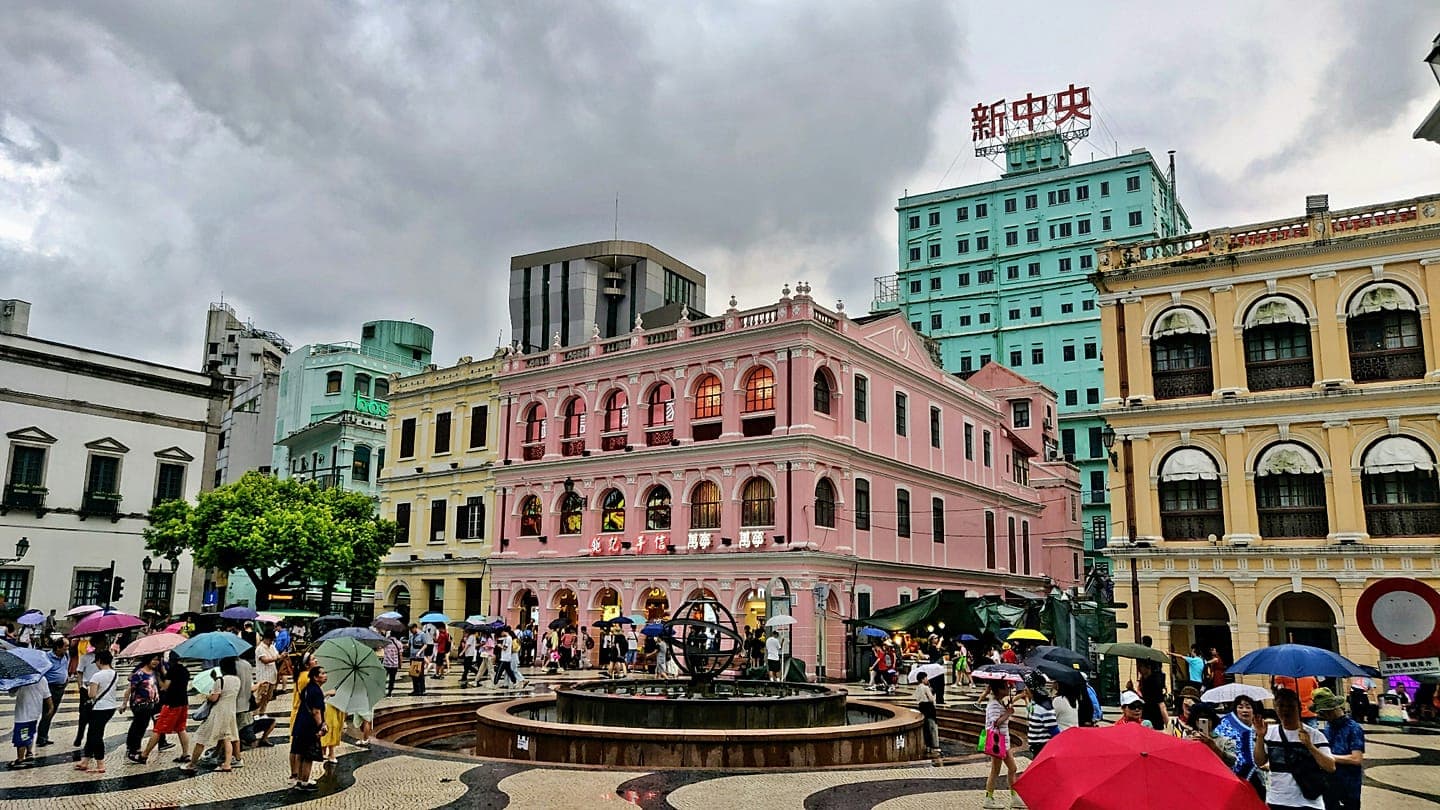
Besides well-known attractions such as Senado Square, museums, fortresses and old churches from the time of the Portuguese arrival in the 16th century, the authorities are trying to direct tourists to less crowded places. To this end, free buses have been launched from the resorts and central tourist areas to quieter residential districts. The government is also supporting small businesses: on the one hand, entrepreneurs are helped with promotion on social media; on the other, another department provides subsidies for infrastructure upgrades. In addition, the authorities are considering moving various festivals to residential districts to make them attractive to a wider audience.