The key facts
- Deutsche Welle debunked three viral posts about the war with Iran spread before the US elections in November 2026.
- A video of an attack on an aircraft carrier was found to be AI-generated, and footage of a fire at a US base turned out to be old footage from South Korea.
- The report about hypersonic missiles was spread by a network of content farms from South Asia to monetize traffic.
Fake news about the war with Iran amid the US elections
Just before the US congressional midterm elections held in November 2026, three viral posts about hostilities between the US, Israel and Iran spread on social media, which fact-checkers from the publication Deutsche Welle deemed false or misleading. Although US Vice President J.D. Vance later linked the Republicans' election defeat to the war, and media reported a strike on Qeshm Island, many of the visual materials accompanying these stories turned out to be fakes or old footage.
AI generation and old footage
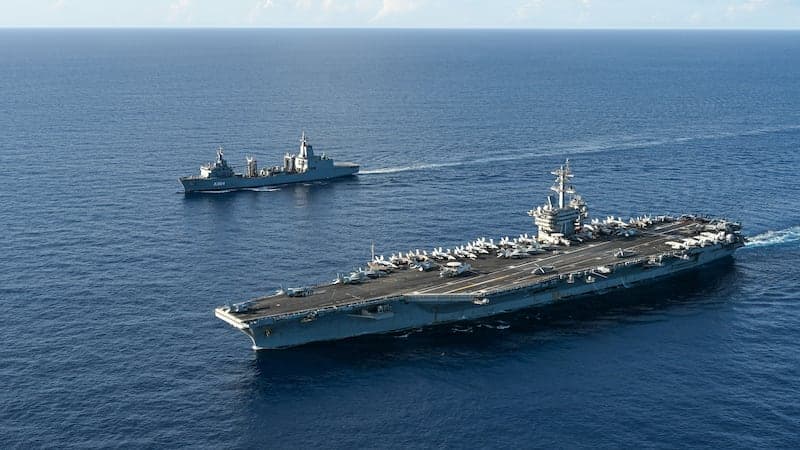
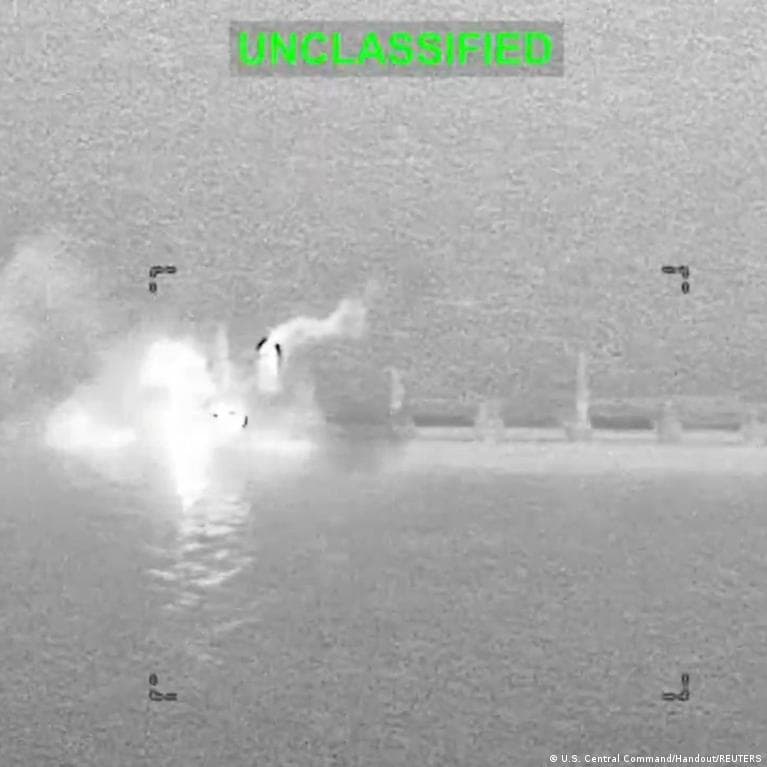
The first debunked claim concerned an attack by Iranian drones and missiles on an American aircraft carrier with casualties; the video, which garnered more than 643,000 views, was found to be AI-generated. Experts noted visual artifacts: 'the legs of a running person are visually distorted,' and people in the footage 'pass through one another,' which is typical of AI video that, moreover, had been circulating online since at least May 2026 under other pretexts. The second popular video, allegedly showing Iran's attack on US bases in the Persian Gulf, actually depicts a fire at a shopping mall in Cheonan (South Korea) in 2025, as confirmed by Google Maps satellite imagery and Naver Maps street images.
A large-scale disinformation campaign
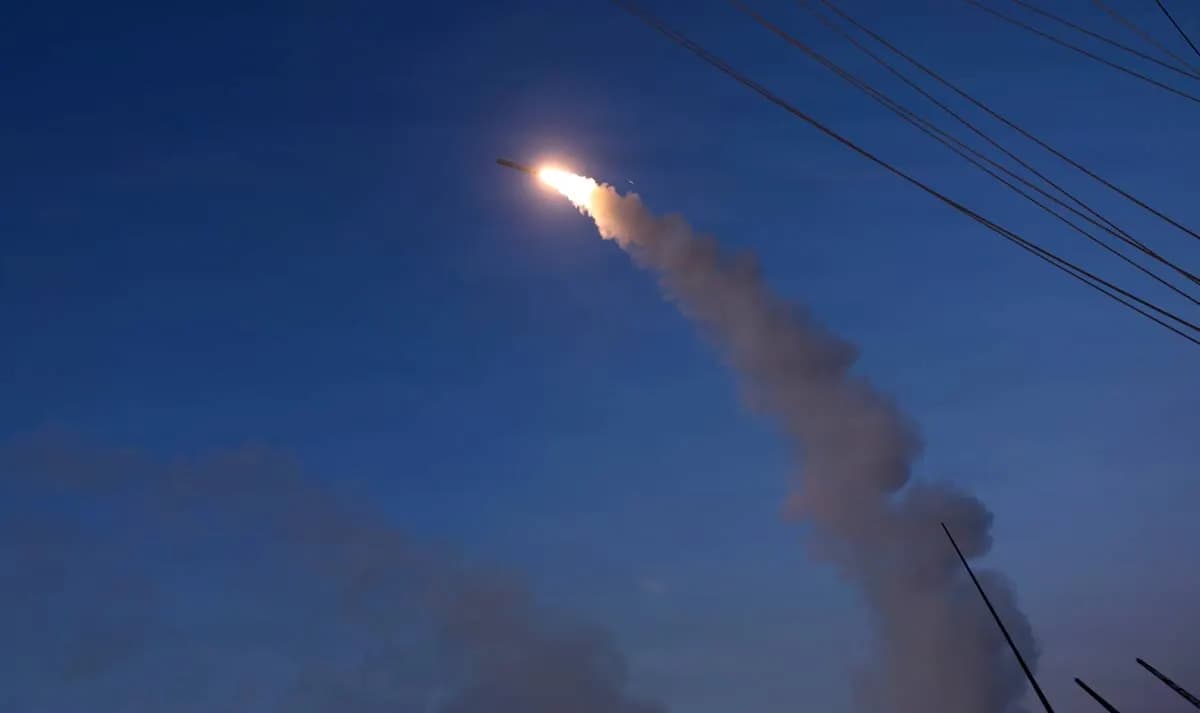
The third viral story about Iran launching hypersonic missiles at Israeli bases, which received 2.5 million views, was classified as misleading due to the absence of confirmed reports of such strikes in the current escalation. The account that spread this information was identified by experts as part of a network of 'content farms' from South Asia that monetize user attention by creating sensational headlines about geopolitics. Analyst Charlyn Linn of NewsGuard noted that such accounts often imitate pro-Iranian or pro-Chinese positions in order to generate profit from audience engagement, while their posts are often duplicated across the internet within short intervals.