The key facts
- Ukraine handed over data on more than 500,000 Russian military personnel, but less than 1% of the names have been entered into SIS
- The combatant entry ban in the 19th sanctions package was weakened at the insistence of Italy and France
- The Commission may present measures on 16 November; a revision of the Visa Code is expected in early 2027
Half a million names and less than 1% in the database
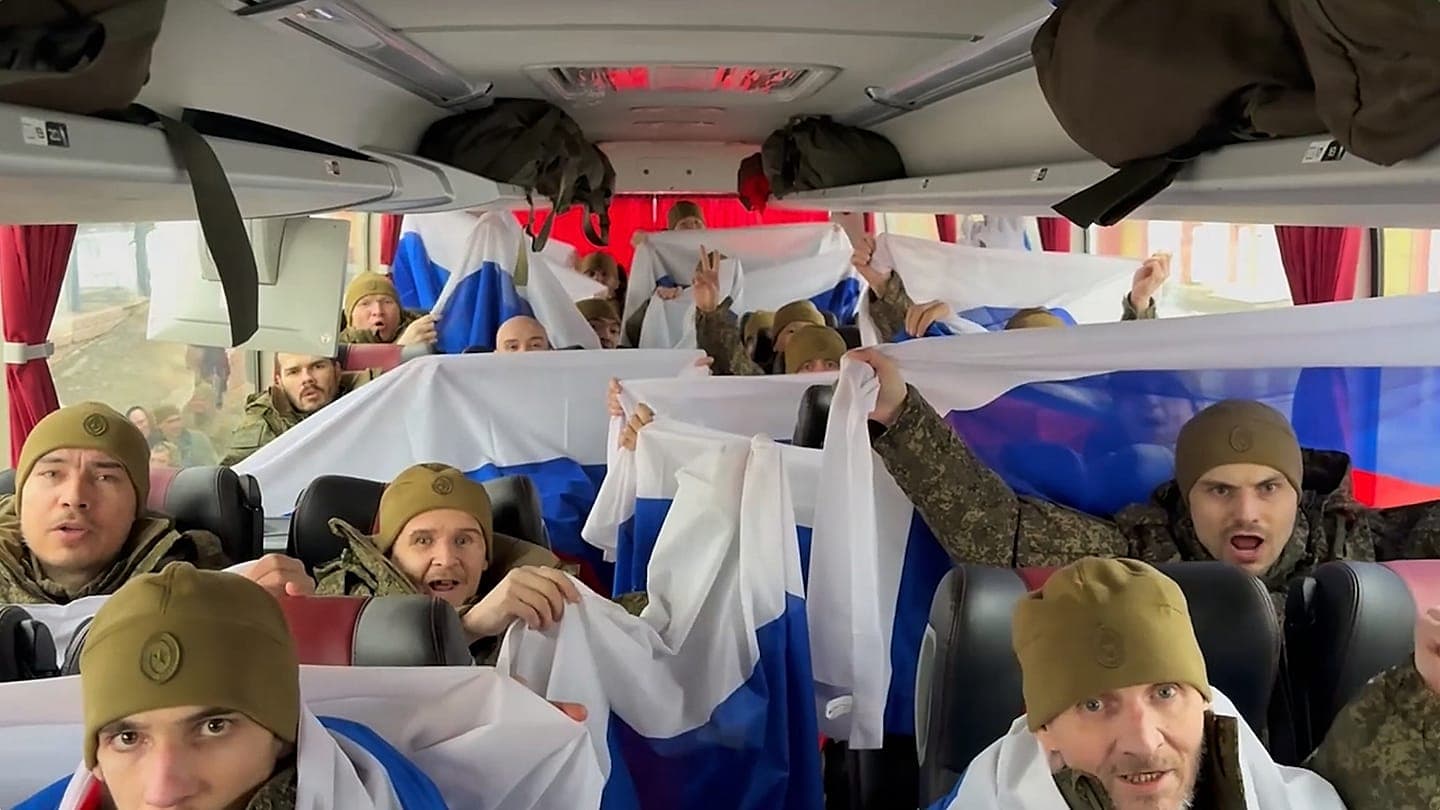
EU countries are unable to effectively restrict entry of Russian servicemen and war veterans due to legal and bureaucratic obstacles, Euronews reports. Ukraine has handed European authorities data on more than half a million Russian soldiers, yet in nearly a year of work the bloc's countries have entered less than 1% of these names into the Schengen Information System (SIS).
How the data transfer works and why it is stalling
Ukraine compiles a database of Russian military personnel identified at the front and systematically passes it to Estonia; Tallinn forwards the information to Germany, Lithuania, Poland and the Czech Republic, whose officials manually enter the names into SIS — the EU's main shared database for security, border control and law enforcement. The problem is that SIS was never designed as a mass list of foreign soldiers who have never been to Europe: the legal framework requires an individual assessment of the threat to public and national security and a formal decision for each alert. Kyiv's data — participation in the war, location at the front — does not by itself clear this threshold. Given frontline losses, some of those entered may already be dead. 'At this stage we have no better option than to enter these people into SIS; it is the most effective system,' an EU diplomat told Euronews, noting that an alert entered by one country is binding on all the others. A similar situation arose with former ISIS members, but that involved hundreds rather than hundreds of thousands of people.
The sanctions compromise and Italy's position
The ban on combatants became a sticking point in negotiations on the latest sanctions package against Russia, adopted in July, and was watered down at the insistence of Italy and France: the final text does not impose the ban directly but makes it conditional — dependent on implementation measures the European Commission is working on. These could be presented as early as the Foreign Affairs Council on 16 November. At an informal meeting of ministers in early September, the EU's chief diplomat Kaja Kallas declared there was 'broad support' for a ban on tourist visas for Russian soldiers and veterans. According to a second EU diplomat, France's position has shifted, and 'now only Italy stands in the way': Rome fears overloading its consular services when screening ex-combatants among applicants, as well as lawsuits. Meanwhile, as Euronews notes, one of the main suspects in the case of the attempted drone attack on Leipzig airport in August is a Belarusian citizen who entered the EU on a tourist visa issued by the Italian consulate in Minsk; Berlin officially attributed responsibility for the incident to Moscow in September. The second suspect is a Latvian citizen born in Russia.
Technical solutions and the diplomatic track
Nordic and eastern European countries are pushing to restrict tourist visas for Russians, whereas Italy, France and Spain issue them in large numbers. In a note circulated during the sanctions negotiations, the Commission proposed expanding the list of documents for a visa to include military IDs for men of conscription age; officials fear forgeries and fake identities, so the Czech Republic, for example, admits Russians only with biometric passports. A long-term solution is amendments to the Schengen Borders Code, moving from individual alerts to a new category for persons considered a security threat, coupled with a revision of the Visa Code, which the Commission is expected to propose in early 2027. A separate track is further restrictions on the movement of Russian diplomats: the 19th sanctions package already requires notifying a second country when travelling or transiting, but the optional prior-approval mechanism is hardly used at all. 'The question is not whether we will respond, but whether the measure will be reliable,' an EU official told Euronews.