The key facts
- Yuri Filatov believes the EU wants to include its negotiator in the Russia — US — Ukraine format
- In the diplomat's assessment, the EU representative's mission is to control Kyiv and prevent any departure from the Brussels line
- It was previously reported that no substantive talks on appointing a special representative for dialogue with Russia are underway in the EU
The ambassador's statement
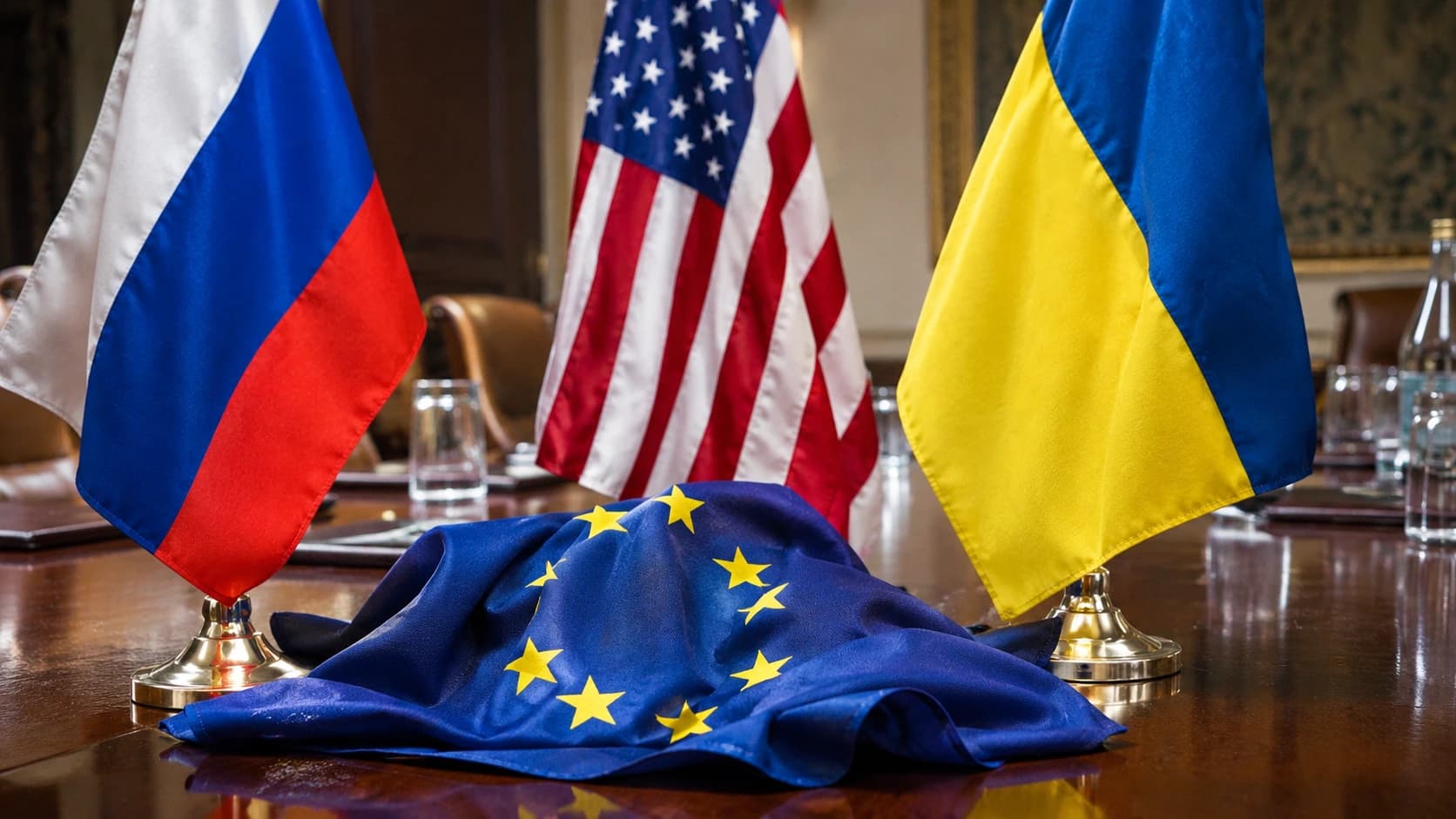
Russia's Ambassador to Ireland Yuri Filatov, in an interview with Izvestia, expressed the view that the European Union is trying to secure participation for its representative in talks between Russia, the United States and Ukraine, while showing no interest in a full-fledged dialogue with Moscow. According to the diplomat, European politicians are focused not on restoring 'serious and responsible relations' with Russia, but on finding a candidate who would represent Brussels in the settlement process. '[The Europeans' discussions are aimed] rather at finding whoever it is more convenient to entrust with the mission of the so-called EU negotiator, whom Brussels hopes to squeeze into the Russia — US — Ukraine negotiation process,' Life.ru quoted him as saying.
Assessment of the purpose of the appointment
Filatov argues that the true purpose of the possible appointment is not to facilitate a peaceful settlement: in his assessment, the European representative's role would be to control Kyiv's position and prevent it from deviating from the course set in Brussels. In the ambassador's opinion, the European Union is interested in prolonging the conflict and intends to make sure the Ukrainian authorities do not back away from a 'war to the last Ukrainian.' This is the Russian side's assessment, not an established fact: the publication contains no reaction from Brussels or Kyiv to these remarks.
Context: the EU does not yet have a negotiator
The statement came against the backdrop of the fact that, as Life.ru previously reported citing a diplomatic source in Brussels, substantive talks on appointing a special representative for dialogue with Russia are not yet underway within the European Union. In recent months, the member countries have held no serious consultations on this issue: disagreements among EU states persist — they have failed to agree either on the need for direct dialogue with Moscow or on the powers of the future negotiator. Thus, according to available information, what is being discussed is the search for a candidate, not a decision that has been made.