The key facts
- Armando Mema believes that EU leaders are arguing over the choice of a representative for talks with Russia, but none of them shows leadership
- As possible steps, he named lifting the anti-Russian sanctions or returning the frozen assets
- Russian Ambassador to Ireland Yuriy Filatov earlier said that the EU representative's goal is to control Kyiv's position
A Finnish politician's view on the European Union's role
The European Union is trying to secure a seat at the negotiating table on Ukraine, while itself taking no steps to reduce tensions in its relations with Moscow. This opinion was expressed by a member of the Finnish Freedom Alliance party Armando Mema on the social network X, as reported by Life.ru.
Criticism and proposed steps
The politician drew attention to European Council President António Costa's drive to bring Brussels into the conflict settlement process. In his assessment, the European authorities have so far done nothing that could help restore dialogue with Russia.
Disputes over the choice of a representative
«At present, EU leaders are arguing among themselves over who should be appointed as the representative to conduct negotiations with Russia. Everyone wants to be the leader, but none of them is capable of showing himself as a true leader,» Mema emphasized.
Possible conditions for Brussels' participation
As possible steps toward Moscow, Mema proposed lifting the anti-Russian sanctions or returning the frozen assets. In his view, such decisions could create the prerequisites for the European Union's participation in peace talks, but Brussels is not considering such measures.
The Russian diplomat's position
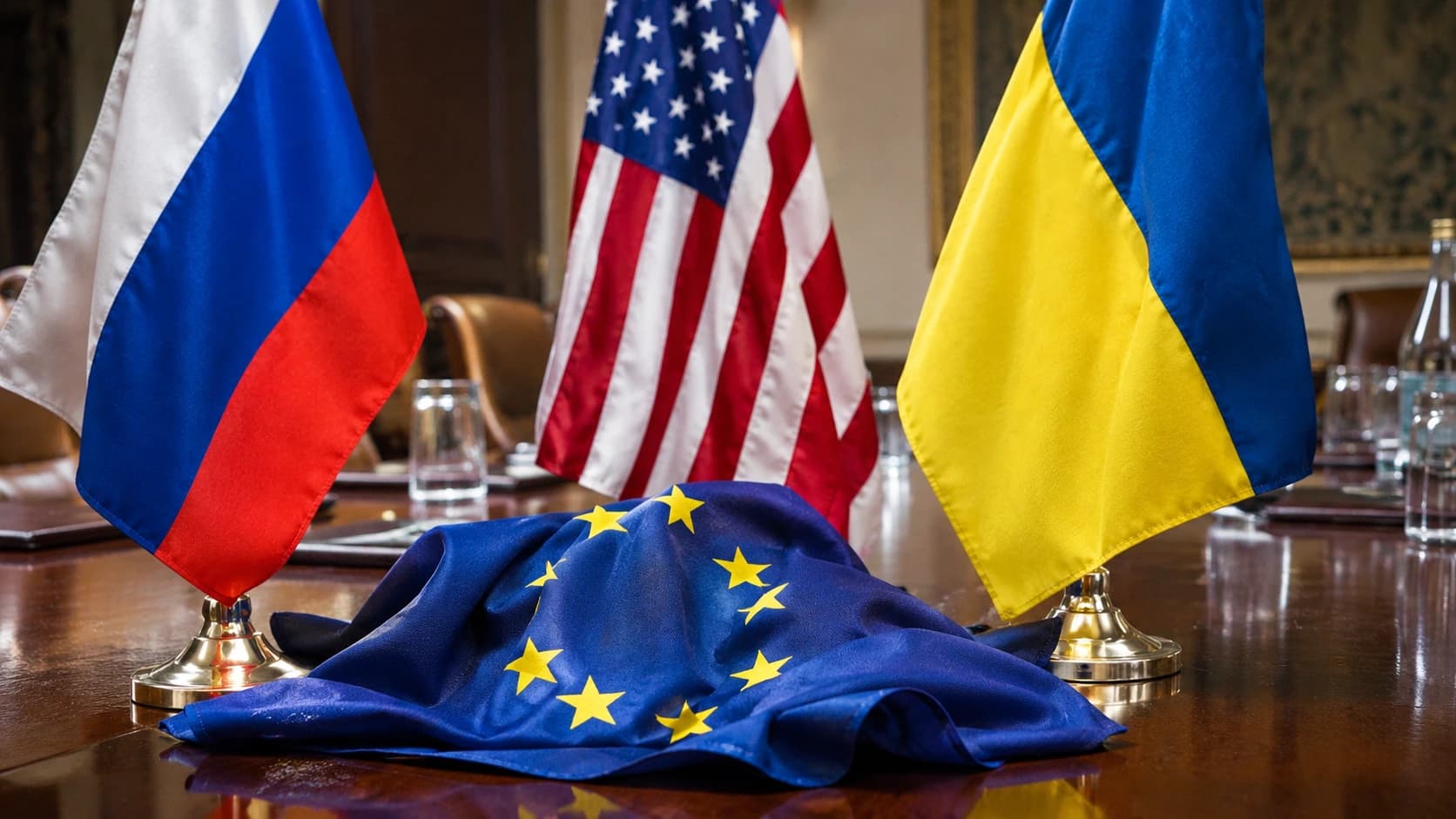
Earlier, Life.ru reported that the European Union is trying to «squeeze» its representative into the Russia–US–Ukraine talks. According to Russian Ambassador to Ireland Yuriy Filatov, Brussels is not seeking to restore a full-fledged dialogue with Moscow. The diplomat believes that the main task of such a representative is to control Kyiv's position and not allow it to deviate from the course of continuing the conflict.
What is important to keep in mind
Both of the above statements are assessments by specific individuals — a Finnish politician and a Russian diplomat — rather than confirmed facts about the European Union's position. The material contains no official reaction from Brussels or data on the actual composition of the negotiating format, so the question of the EU's possible participation in the settlement remains open.