The key facts
- Ancient DNA from 18 specimens from five countries showed that all the bones belong to the grey crane Grus grus
- The 'extinct species' Grus primigenia was described by Alphonse Milne-Edwards in 1871 from bones found in caves in southern France
- The size of the bones is explained by sex: male grey cranes are noticeably larger than females
A century-and-a-half-long dispute over an 'extinct giant'
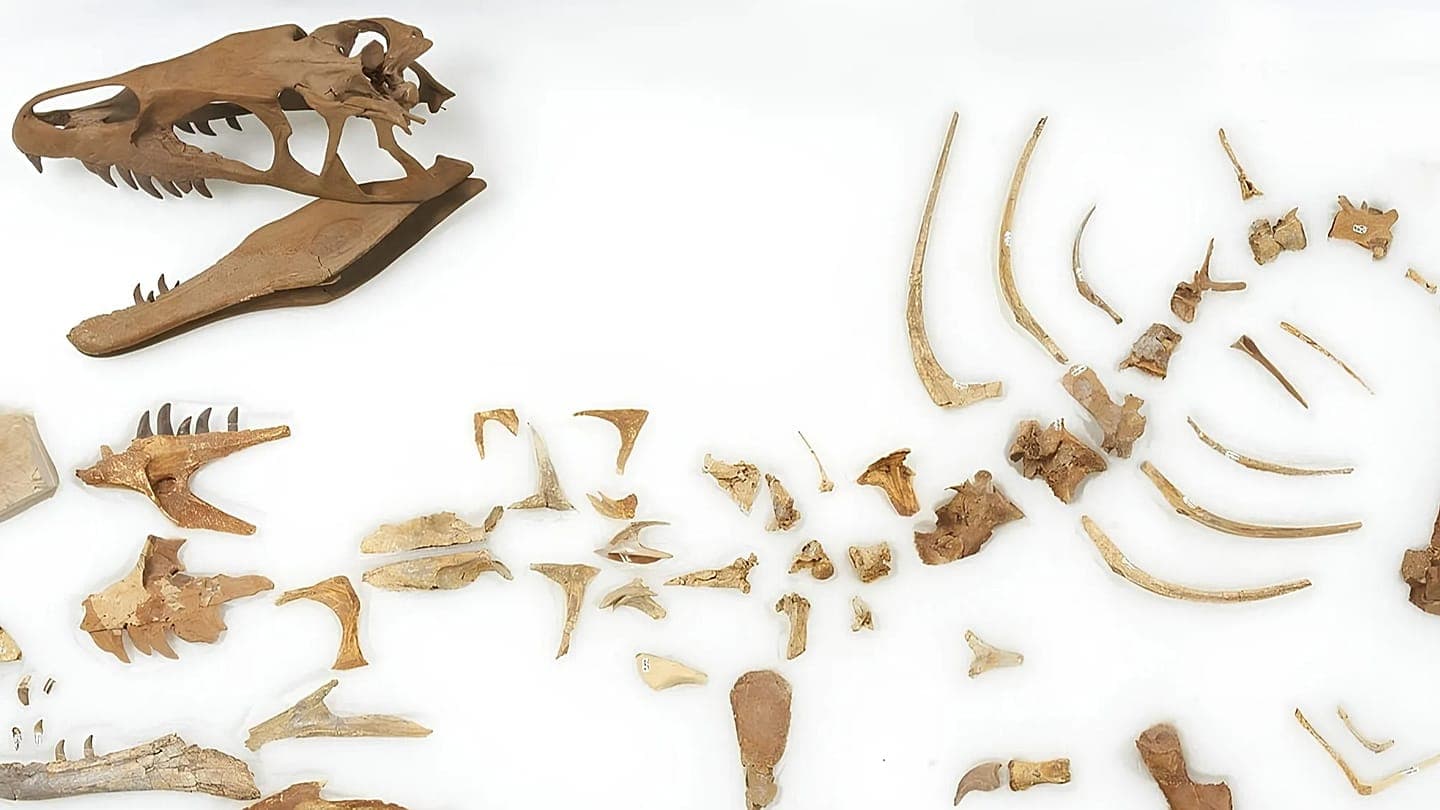
In 1871, the French biologist Alphonse Milne-Edwards described a previously unknown giant crane as a separate extinct species — Grus primigenia. The basis was fossilized bones found in several caves in southern France: they were noticeably larger than the corresponding bones of modern cranes. The remains dated to the Late Pleistocene — roughly the period from 20,000 to 11,700 years ago, at the end of the last ice age. Later, similar large crane bones were found in other parts of Europe, but the question of their species identity long remained open.
Three hypotheses and a genetic answer
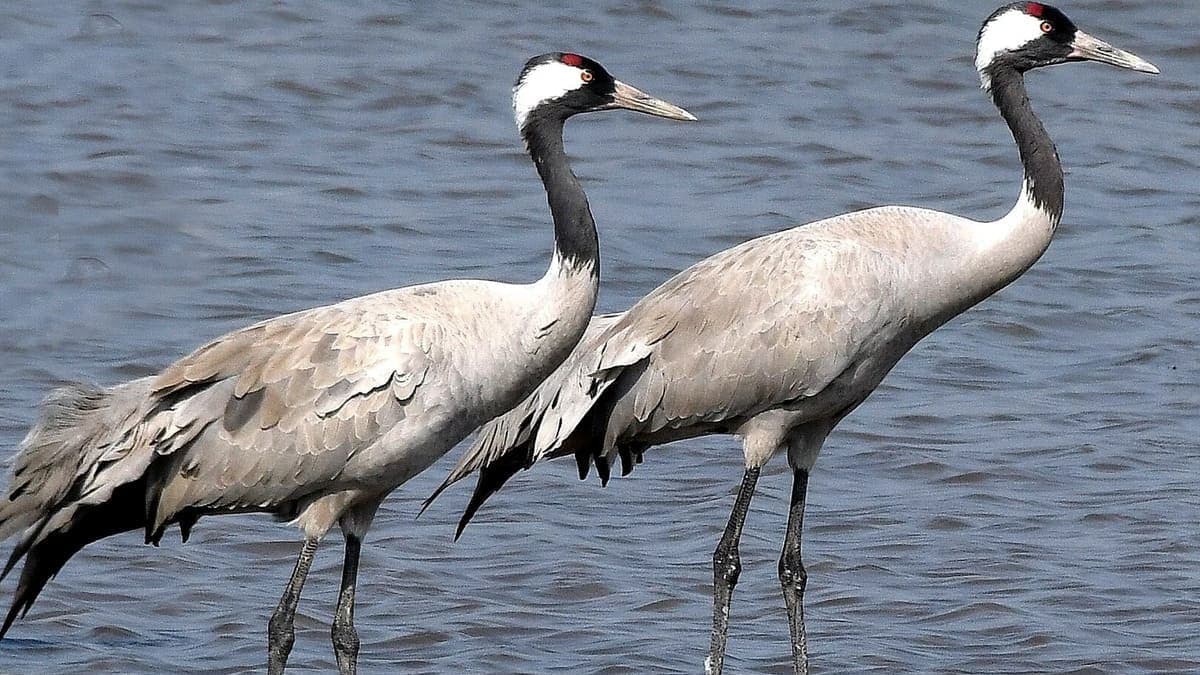
Various versions were proposed: some experts believed the bones belonged to the living sarus crane (Antigone antigone) or the Siberian crane (Leucogeranus leucogeranus), while another hypothesis linked the finds to very large individuals of the common grey crane Grus grus. It was the latter version that was confirmed in a new study by an international team led by John Stewart, professor of evolutionary palaeoecology at Bournemouth University, whose results are published in the journal Royal Society Open Science (the article is available from the publisher, and Kun.uz summarizes its contents).
What exactly the analyses showed
Previous work relied mainly on comparing the size and shape of bones. This time, scientists, in collaboration with the Centre for Palaeogenetics in Stockholm, analysed ancient DNA from 18 bone specimens found in England, Wales, France, Germany and the Balearic Islands. Some of the specimens date to the Late Pleistocene, and others to the Late Holocene, which began around 4,200 years ago and continues to the present day. The genetic analysis showed that all the specimens belong to the grey crane Grus grus, and among them were both birds larger than modern ones and individuals whose sizes match those of today.
The key to the mystery — the sex of the birds
Using ancient DNA, the researchers also determined the sex of the birds, which proved crucial: in modern grey cranes, males are noticeably larger than females, a feature known as sexual dimorphism. Thus, the 'giant' bones most likely simply belonged to males of the common grey crane, not to a separate extinct species. According to the researchers' conclusion, there are no grounds for considering Grus primigenia an independent vanished species.