The key facts
- On Thursday, false threats affected at least 14 flights, more than 20 over the week; low-cost carriers and flights to Bulgaria, the Czech Republic and Italy were most often targeted.
- Fighter jets from three countries escorted aircraft, three flights diverted, all landings were safe, no explosive devices were found.
- The origin and motives of the threats are unknown; AFP notes the context of rising hybrid attacks in Europe.
Third day in a row: fighter jets in the skies over Europe
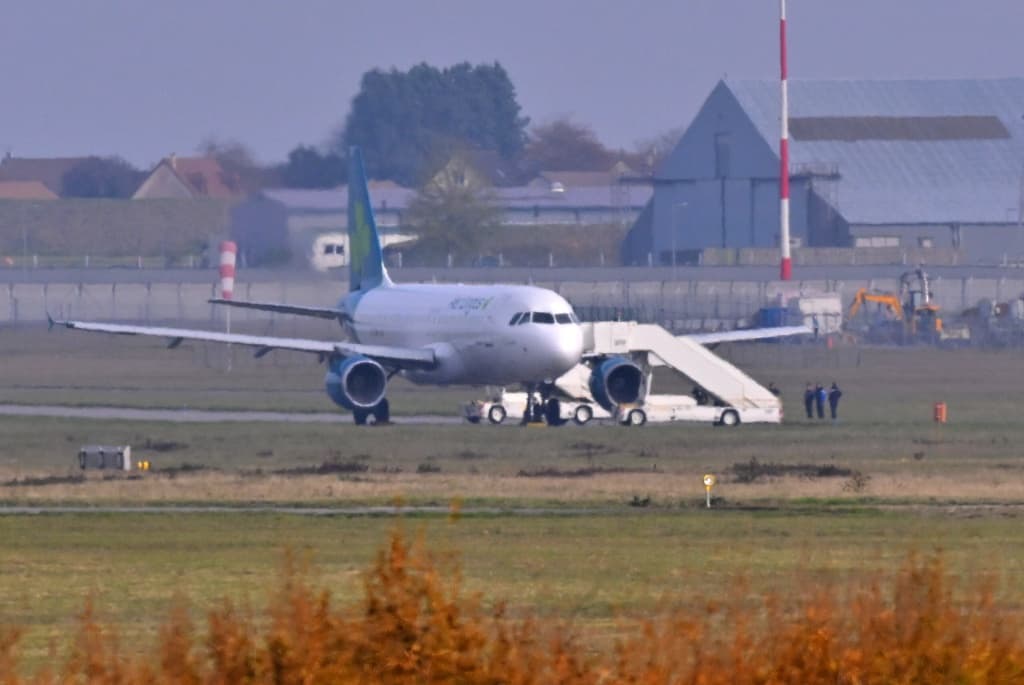
On Thursday, at least 14 European flights were targeted by false bomb threats — already the third such day this week, authorities and airlines reported (according to AFP). The main impact fell on low-cost carriers and flights connected with Bulgaria, the Czech Republic and Italy. The Italian air force escorted a Finnair aircraft flying from Helsinki to Rome, French fighter jets diverted an Aer Lingus flight from Dublin to Rome to a military base near Paris, and Bulgarian aviation escorted three aircraft. In total, three flights diverted to alternate airports; all aircraft landed safely, and no explosives were found.
Bulgaria, the Czech Republic, Austria and Romania: flight details
Three Ryanair aircraft flying to Sofia from Madrid, Copenhagen and London Stansted received threats, a representative of the Bulgarian transport ministry told AFP. Two aircraft landed in Sofia, while the flight from Stansted diverted to Plovdiv; all three were escorted by fighter jets, and after inspection no explosive devices were found, a representative of Bulgaria's interior ministry said. Finnair confirmed that 'nothing unusual was found' on board the Helsinki–Rome flight, and also reported a false threat against flight AY1471 Helsinki–Vienna. A Wizz Air aircraft flying Milan–Warsaw was redirected to Vienna under security protocols; another Wizz Air aircraft, Milan–Bucharest, reached its destination, after which the Romanian intelligence service set up a crisis headquarters at Henri Coandă Airport.
Prague and Copenhagen: threats by email
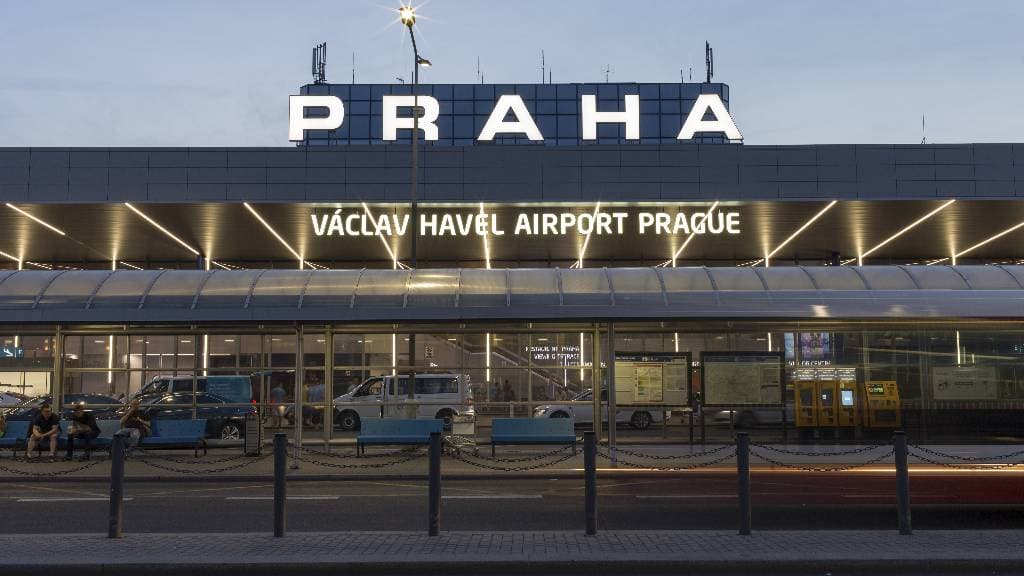
Four aircraft flying to Prague (operated by Ryanair, easyJet and Sky Express) were also targeted by threats. The Czech police assessed their credibility as low but stated that it 'does not underestimate the situation' and activated all necessary security measures. According to Prague airport spokesperson Denisa Hejtmánková, all the threats came by email from anonymous addresses; it was not immediately clear which flights were affected. In Copenhagen, the threats concerned two arriving aircraft; the police told AFP that 'there is and was no danger to passengers.'
The week's scale and context
More than 20 false reports have been recorded over the week, with Ryanair affected at least seven times. On Tuesday, threats affected 10 flights — all proved false; Warsaw airport was closed then, and the Italian air force scrambled fighter jets to protect aircraft. On Monday, a Wizz Air flight from London Luton to Sofia made an emergency landing in Budapest due to a threat. The origin and motives of the threats remain unknown; AFP notes that the incidents are taking place against the backdrop of a rise in hybrid attacks in Europe, which authorities have sometimes linked to Russia or Iran. Last month, the secretary general of the French defence ministry, Nicolas Roche, told parliament about 'massive hybrid attacks in all their variety — sabotage, cyberattacks, drones, and of course espionage' observed in Europe. Who is behind this particular wave of reports, the sources do not specify.