The key facts
- The Central Bank kept the rate at 14%, although a cut to 13.5% was considered at the meeting
- According to the deputy chairman, the models allow easing of about 2 percentage points
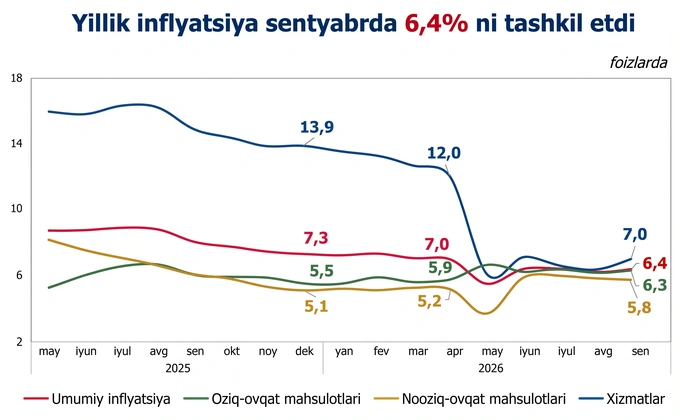
- September inflation was 6.4%, core inflation 5.5%; the target is 5% by the end of 2027
The rate was kept unchanged, but room for a cut has been acknowledged
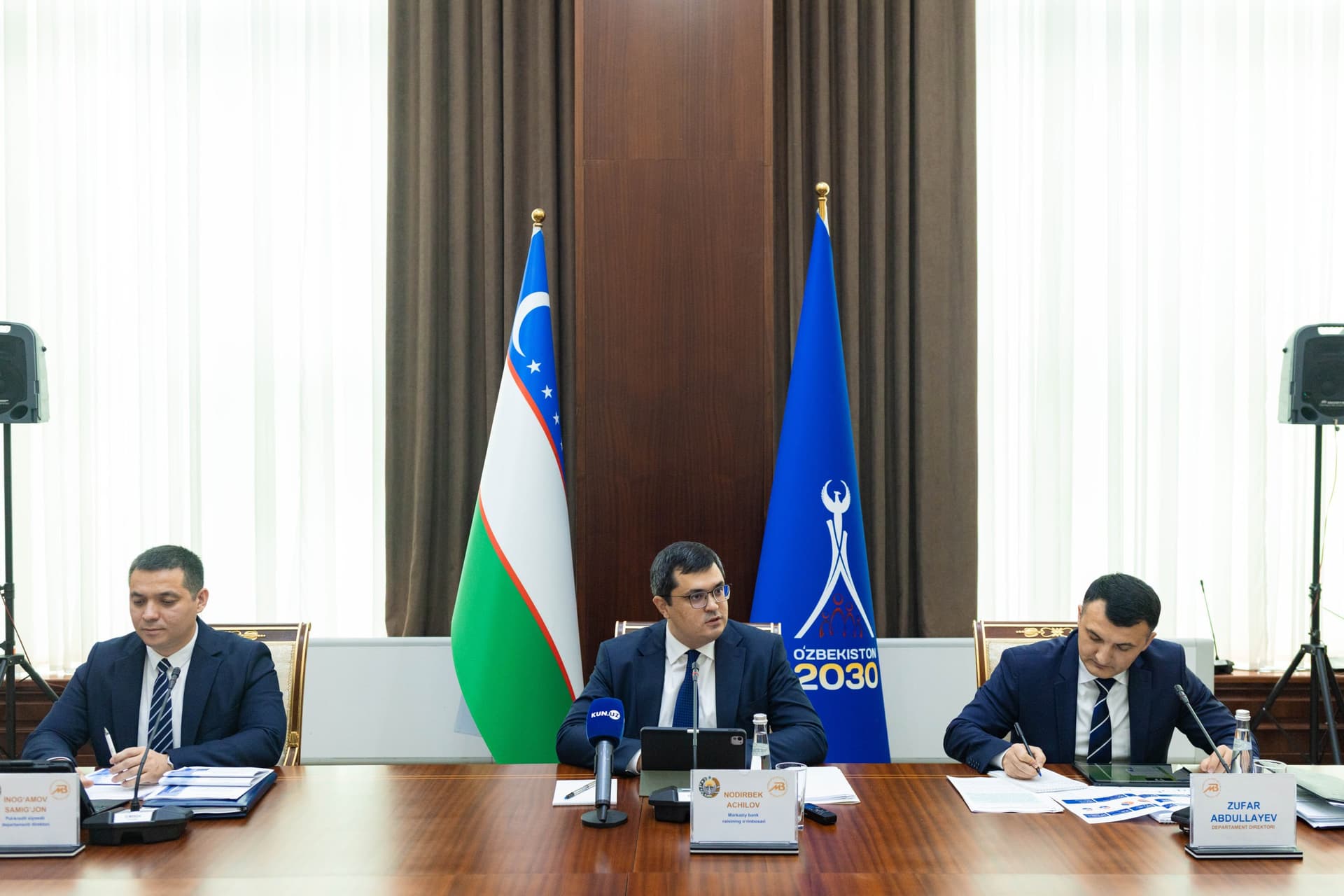
On November 4, the Central Bank of Uzbekistan kept the base rate at 14% per annum, although, according to Deputy Chairman of the Central Bank Nodirbek Achilov, the board meeting also considered an option to cut it to 13.5% — the majority of board members supported keeping it unchanged. Achilov spoke about this and about the policy outlook for 2027–2029 at a press conference, as reported by Gazeta.uz.
Why the regulator is not cutting the rate even though the models allow it
The deputy chairman's key explanation concerns the gap between the current rate and inflation benchmarks. With a rate of 14% and projected inflation, the real rate stands at about 7 percentage points, whereas the estimated neutral real rate is assessed at roughly 5%. “All our models and indicators point to the possibility of a cut of about 2 percentage points”, Achilov said. In other words, by the regulator's own assessment, monetary conditions are tighter than the neutral level, but the Central Bank is deliberately not using this room: according to him, it is necessary to see a sustained decline in inflationary pressure not only in individual goods but also across other components of the consumer basket.
The inflation picture and the role of fuel prices
In September 2026, annual inflation stood at 6.4%, accelerating slightly compared with August due to the seasonal rise in fruit and vegetable prices, higher fuel prices and the cost of certain services. Inflation in the services sector reached 7%, while core inflation, stripped of seasonal and regulated prices, remained at 5.5%. Achilov noted that in recent months supply-side factors have become increasingly visible, and whether their impact is temporary or lasting depends on whether it spreads to other prices and inflation expectations.
Primary and secondary effects
Answering a question about rising fuel prices, Achilov distinguished between the primary impact — the direct increase in petrol and energy prices — and the secondary effect, when higher fuel costs are passed through into the cost of transportation, logistics and other goods and services. According to him, the scale of such pass-through depends on competition and domestic demand: he cited the taxi market as an example, where the emergence of new aggregators in some cases forced major players to lower prices. He sees the task of monetary policy as containing precisely these secondary effects and maintaining balanced demand.
Targets for 2027–2029
According to the Central Bank's baseline scenario, headline inflation in the second half of 2027 should approach the 5% target and stay around it in 2028–2029; core inflation is expected at 4–5% in 2027 and around 4% in subsequent years. Earlier, Achilov reported, that the rate could fall to a single-digit level in 2027–2029, provided inflation sustainably slows to 5% and the inflation expectations of households and businesses decline. Thus, the 2-percentage-point room acknowledged by the regulator remains potential rather than an adopted decision: its realization is tied to achieving the inflation targets, not to current supply-side price shocks.