The key facts
- Passenger traffic has grown from 280–300 thousand to more than 1.2 million people a day; during rush hours 400–500 people try to board a carriage designed for 300.
- Passenger traffic has grown from 280–300 thousand to more than 1.2 million people per day; during rush hour, 400–500 people try to enter a carriage designed for 300.
- Adding a fifth carriage to the 14 four-carriage trains purchased in Moscow is being considered; safety barriers are planned at Shahristan.
- The 652 million soums reported on social media is not a salary but a loan under the collective agreement, the metro said.
- The 652 million soums written about on social media is not a salary but a loan under a collective agreement, the metro said.
Why the metro has become more crowded
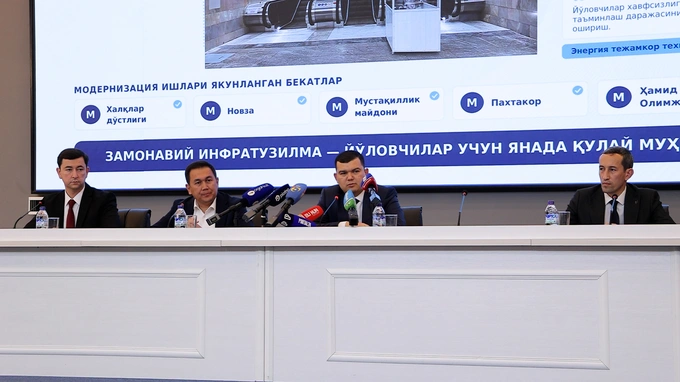
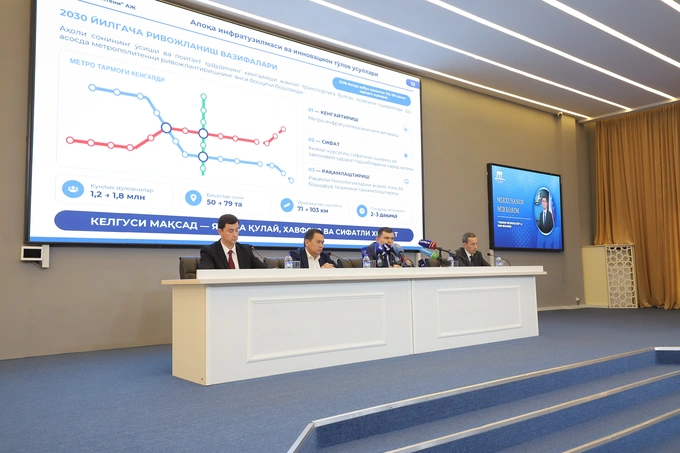
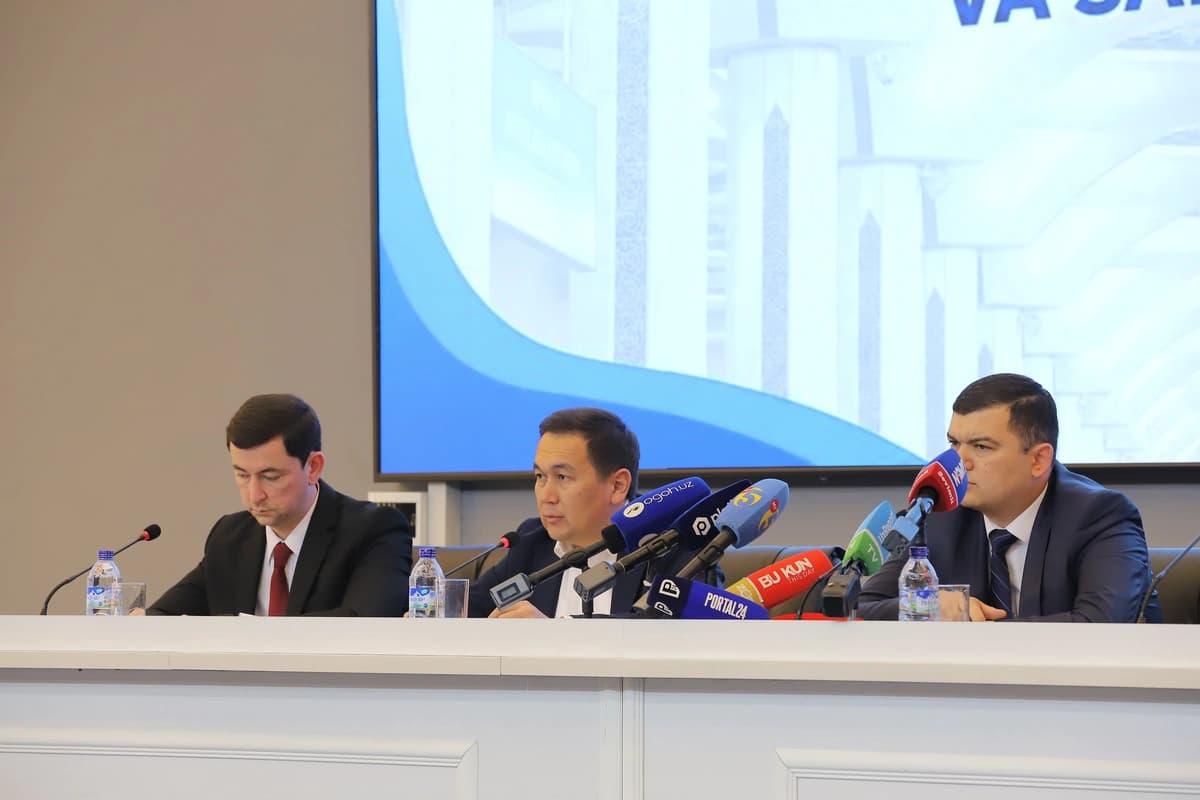
The management of Tashkent Metro held a press conference on 3 November, where it answered questions about overcrowding in the carriages, salaries, the condition of stations and development plans. This was reported by Gazeta.uz. The company's chief engineer Mirkhokim Mirkhusanov cited figures explaining why rides have become less comfortable: over the past seven years the number of stations has grown to 50, the network's length to 71 km, and daily passenger traffic has increased from 280–300 thousand people in 2020–2021 to more than 1.2 million. Each carriage is designed for 300 passengers, but during rush hours 400–500 people try to board it, which is inconvenient for passengers and affects train operations.
Crowding at Alisher Navoi and plans for a fifth carriage
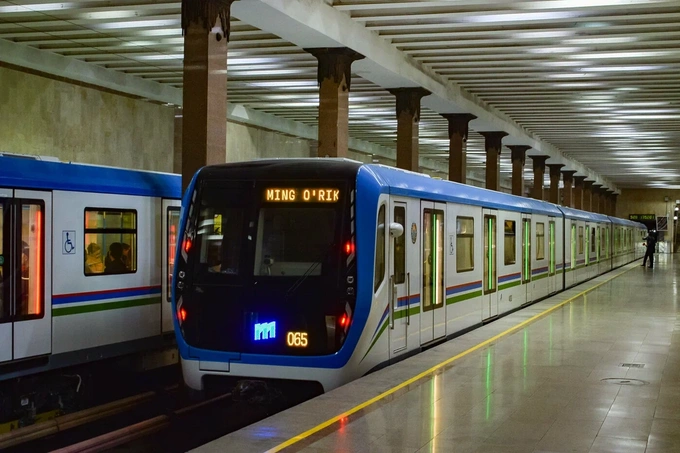
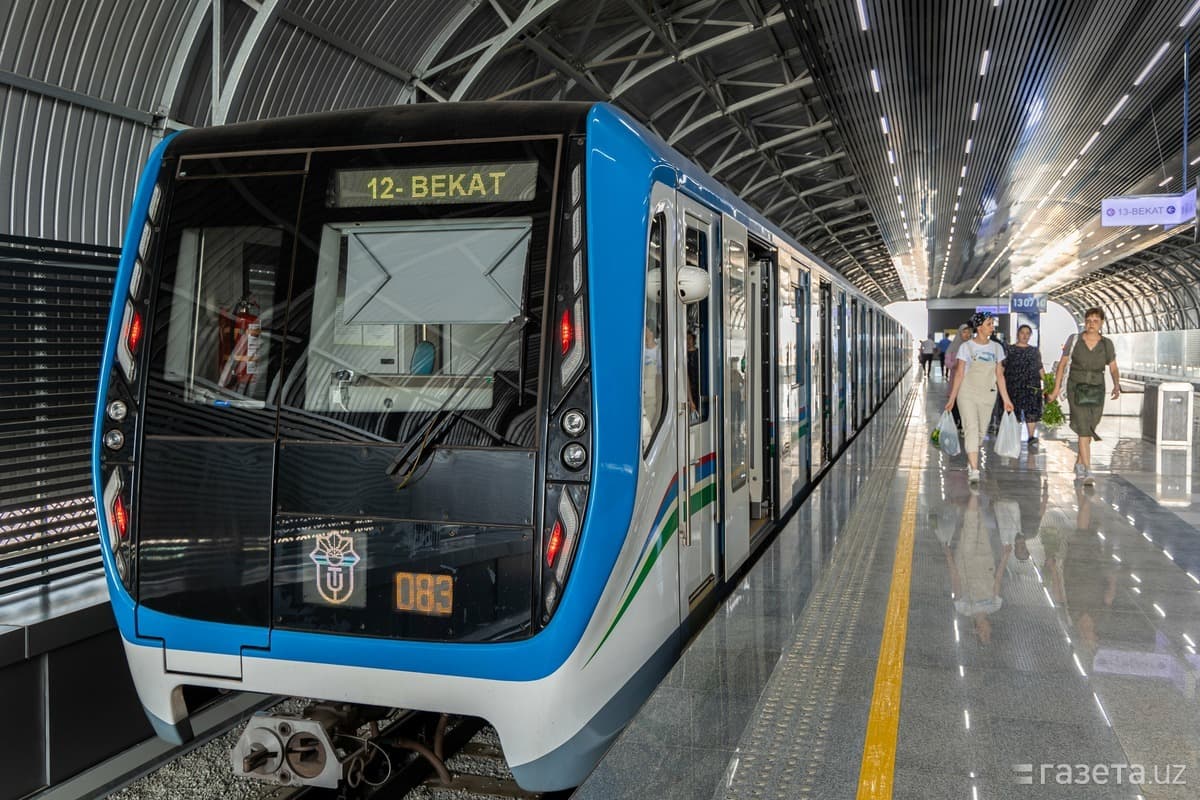
Videos of crowds at the Alisher Navoi station regularly circulate on social media; Mirkhusanov explained this by trains of two directions arriving at the same station simultaneously. Among the measures to relieve congestion is converting trains to five carriages: the 14 trains purchased in Moscow are four-carriage ones, and the metro has proposed adding an extra carriage to them. On the Chilonzor line, the interval during rush hours has already been reduced to one and a half minutes, and current technical capabilities do not allow making it shorter; at the busiest time up to 28 trains are on the line. Passengers themselves also affect operations: according to the chief engineer, standing by the doors, refusing to give way to those exiting and holding the doors by hand lead to conflicts and an artificially increased interval, while objects stuck in the doors and escalator breakdowns force operations to be temporarily suspended or restricted. The morning peak, he noted, has shifted to around 07:00–07:30.
Cooling of stations, water in tunnels and barriers at Shahristan
The press conference also addressed the summer heat at stations and leaks during rain and snow. Mirkhusanov said that the installation of modern chiller cooling systems is being studied at the busiest stations, especially at transfer points; the Pushkin, Amir Temur and Bodomzor stations, according to him, remain cool in summer thanks to natural conditions. Deputy chairman of the board Yoldosh Yusupov added that 1–2 billion soums are spent annually on the current repair of tunnels and structures, 3.3 billion soums have been allocated from the republican budget for studying the hydrogeological situation, and more than 20 billion soums are planned for 2027 to address problems in the tunnels. As for safety barriers at platform edges, the first pilot project is being prepared at the Shahristan station on the Yunusabad line: the design documentation has been submitted for expert review, and after its conclusion next year specialists from developed countries are expected to be brought in. If the project is deemed effective, barriers may also appear at other busy stations.
652 million soums: salary or loan
Journalists asked for comment on July reports on social media that metro chairman Rahmonbek Usmonov received almost 700 million soums in salary in November 2025, and that nepotism and corruption thrive in the system. Yusupov denied these reports: according to him, the 652 million soums is not a monthly salary but a health recovery loan granted under the collective agreement and to be repaid within a year. Regarding family ties, he said that relatives, including representatives of three generations, do indeed work at the metro, but not in positions subordinate to one another or interdependent; hiring and the prevention of conflicts of interest are handled by a separate deputy head and a commission.
Ceiling collapse at Turon and personnel changes
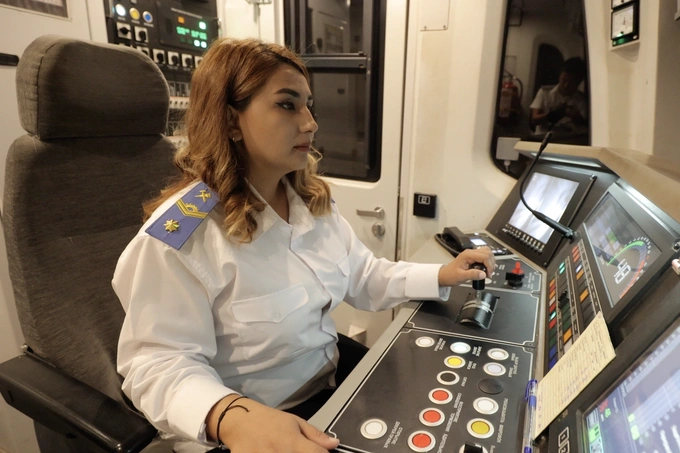
Regarding the July collapse of part of the ceiling at the Turon station Yusupov explained that the causes are being studied by the customer and the construction organization that took part in the construction: the circular line has not yet been accepted into full operation, and only after it is handed over will its maintenance become the responsibility of the metro. The personnel changes are linked to the switch to cashless payment: over the past two years, 735 cashier positions have been cut, but 417 ticket inspector positions have been introduced; some employees have been transferred to other services. In total, 5,826 people work in the metro, of whom 2,068 (35.5%) are women, including 15 female train drivers; their training continues, and prepared employees are planned to be gradually appointed to driver positions.