The key facts
- Passenger revenue in 2025 — 353 billion soums, expenses — over 950 billion soums per year
- Cost per trip — about 5,300 soums with a fare of 2,500 soums
- The 2026 subsidy has grown from the planned 572 billion to almost 700 billion soums
Passenger payments cover only a third of expenses
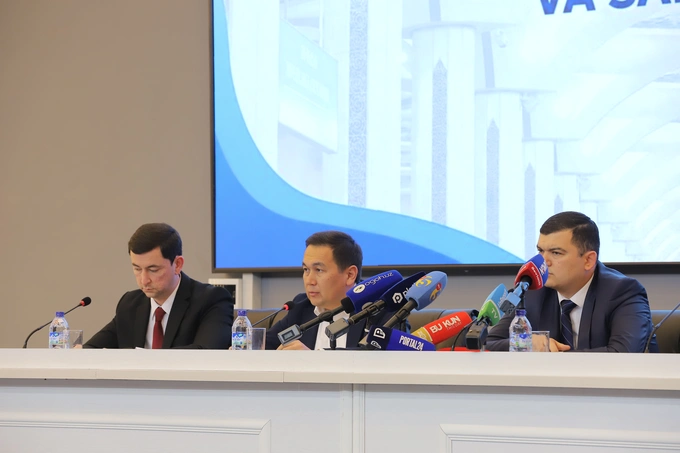
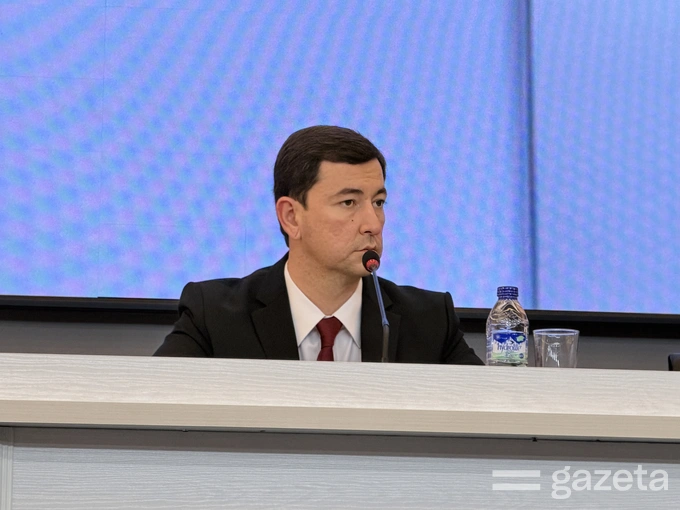
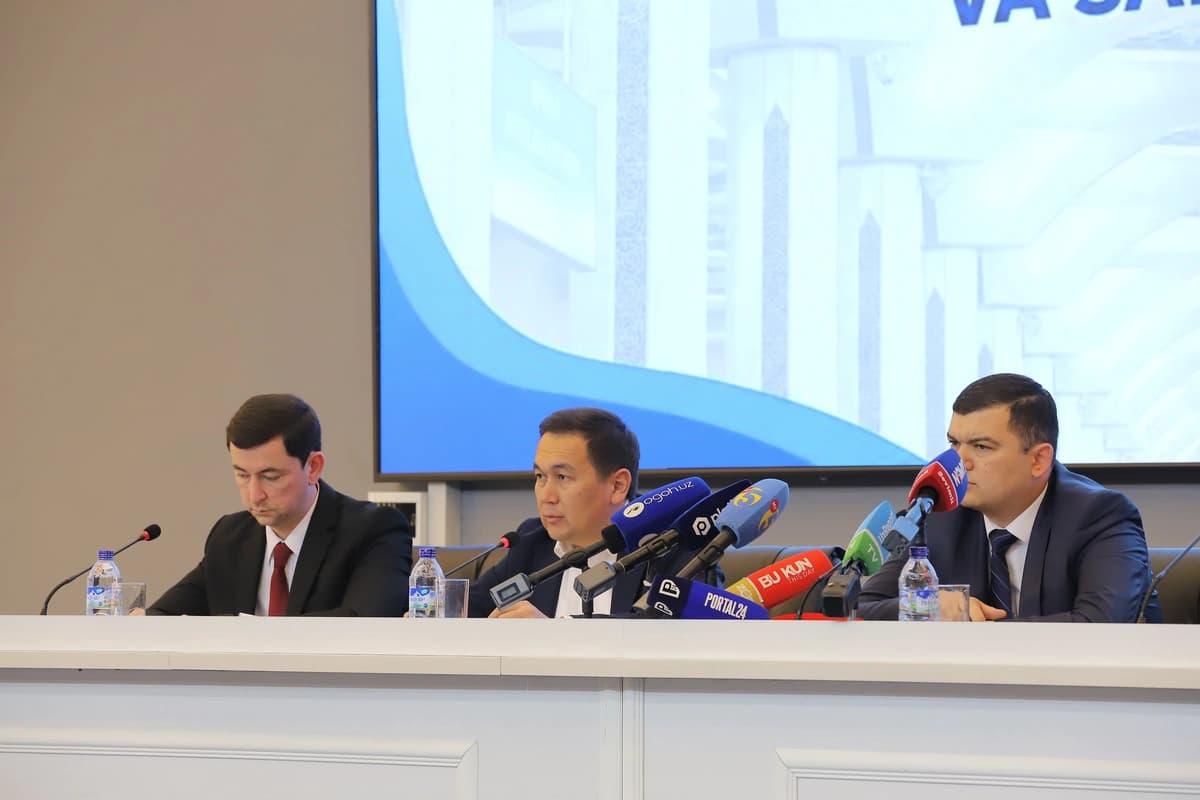
In 2025, the Tashkent Metro received 353 billion soums from passengers, while the system's annual expenses exceeded 950 billion soums, with the shortfall covered by the state budget. A correspondent reported this on 3 November at a press conference attended by the management of JSC Tashkent Metro Gazeta. Deputy Chairman of the Board Yo'ldosh Yusupov emphasized that the metro is a socially significant system supported by the state and operates at a loss thanks to subsidies: fare revenues cover roughly one third of total expenses.
Where the money goes
The main expense items are salaries and electricity. The metro employs almost 6,000 staff, and more than 60 billion soums is spent monthly on their salaries and related payments, while another 10 billion soums per month goes to electricity. The remaining funds are directed to track repairs, rolling stock maintenance, and the upkeep of tunnels and other structures, Yusupov explained.
Cost per trip and the growing subsidy
At the press conference, the cost of carrying one passenger was also announced — about 5,300 soums, whereas a passenger pays 2,500 soums per trip; the difference is covered by the state subsidy. Yusupov also explained the recent fare increase in public transport from 1,700 to 2,500 soums: the revision took into account rising utility prices, growth in other expenses, and the need to improve working conditions for metro staff.
The 2026 subsidy has grown by almost 130 billion soums
For 2026, the state budget initially planned to allocate 572 billion soums in subsidies, but due to the growing number of passengers and increased expenses related to infrastructure wear, the need has approached 700 billion soums. This is a confirmed change relative to the original plan: the actual funding requirement turned out to be noticeably higher than what was budgeted.
Additional revenue: advertising and vending
The metro management intends to reduce dependence on the budget through additional sources — advertising, telecommunications, and other services. According to Deputy Chairman of the Board Ulugbek Salikhov, advertising brought in about 30 billion soums in 2025, and this figure is planned to reach 40 billion soums in 2026. Vending is also developing: whereas before 2025 there were six vending machines in the system, by May 2026 their number had reached 67, with plans to bring it to 100 by the end of the year. In addition, in connection with the move away from cash, replacing ticket kiosks with modern retail points is being considered; entrepreneurs' proposals are welcome as another source of income.