The key facts
- The ticket levy may amount to 500 rubles on domestic and 1,000 rubles on international flights, starting from 2027
- The funding is aimed at leasing and operating 258 MC-21, Tu-214, SJ-100 and Il-114-300 aircraft
- From 2022 to 2025, Russian airlines received 13 new aircraft instead of the planned 120
New passenger levy to support the aviation industry
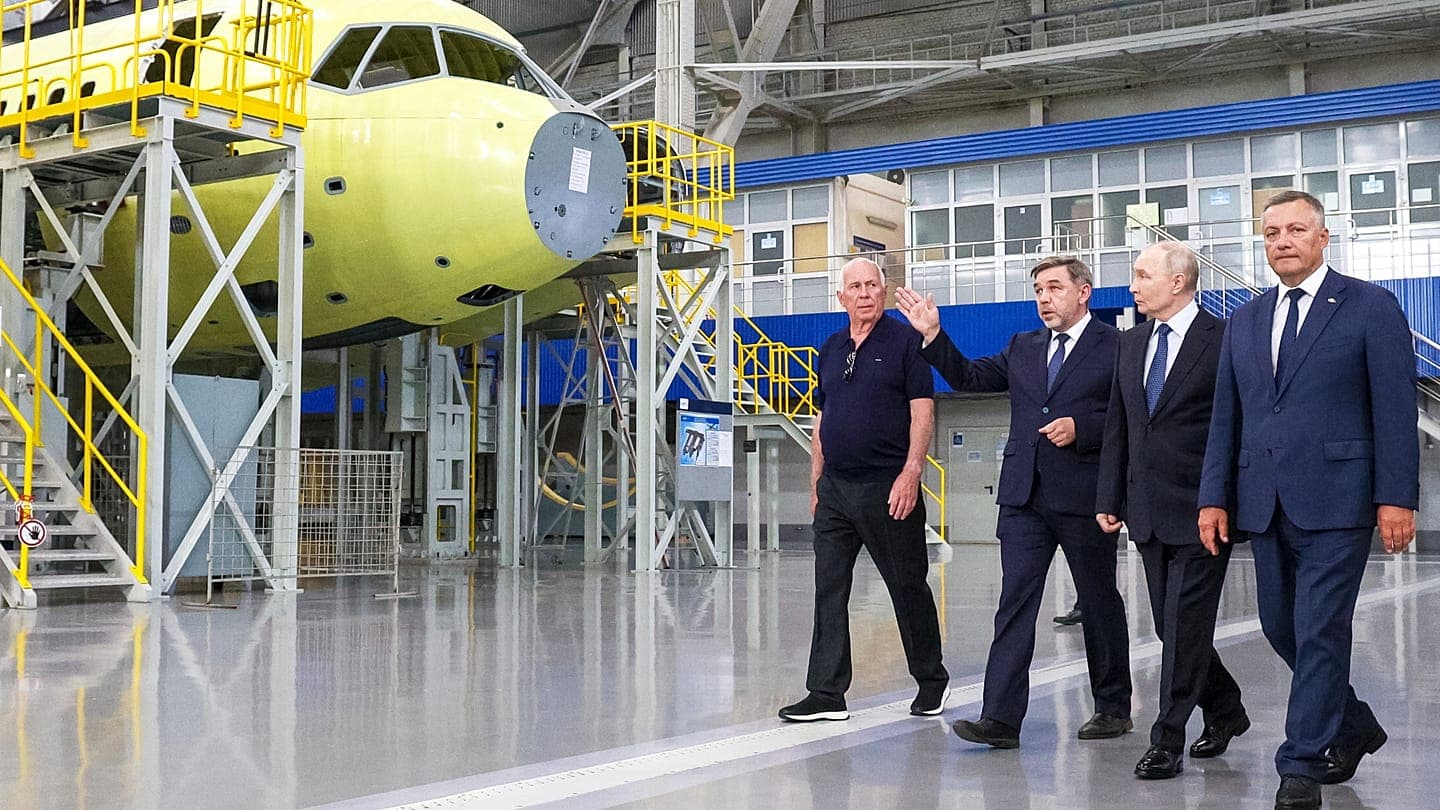
In Russia, an additional levy on air tickets may be introduced from 2027, with the proceeds going to fund the civil aircraft manufacturing development programme approved on the instruction of President Vladimir Putin. According to Russian state media, citing the State Duma Committee on Budget and Taxes, the levy could be 500 rubles on domestic flights and 1,000 rubles on international flights. The mechanism is being developed by the Ministry of Industry and Trade. Officially, the measure is aimed at 'compensating the cost of leasing and operating' 258 aircraft of the MC-21, Tu-214, SJ-100 and Il-114-300 types, whose delivery is provided for by the 'Comprehensive Programme for Expanding Aircraft Production' (euronews).
The import substitution programme is behind schedule
The levy is being introduced against the backdrop of the Russian aviation industry's systematic delays: serial production of civil aircraft has not yet resumed after 2022, and deadlines are constantly being pushed back. According to euronews, from 2022 to 2025 airlines received 13 new aircraft — many of them assembled from pre-sanctions stockpiles of components — against a plan of 120 aircraft. In the summer of 2026, the target for large-scale production was shifted from 2030 to 2035. Certification and the start of serial production of the MC-21 and SJ-100 are now scheduled for 2027, with deliveries of the certified Il-114-300 promised from December 2026.
Context: a shrinking fleet and shifting priorities
The fleet of Russian airlines has shrunk during the war: ageing foreign aircraft are being retired without replacement, spare parts are scarce and becoming more expensive, and Moscow has even turned to Vietnam in search of aircraft to lease. Before the full-scale invasion, about 850 of Russia's 900 commercial aircraft were Boeing or Airbus, of which roughly 85% were under foreign lease; after the sanctions, Moscow passed a law re-registering more than 400 of these aircraft, which contradicts international aviation law, and lessors filed insurance claims for approximately 8 billion dollars. Meanwhile, the industry's main capacity has been redirected to military aviation: official figures are classified, but according to observers' estimates, the output of military aircraft amounts to dozens of units per year.