The key facts
- Herzog began consultations after the official results of the October 27 elections
- Netanyahu's bloc holds 53 mandates, the Eisenkot-oriented opposition 48, Arab parties 19; 61 are needed for a majority
- The ultra-Orthodox UTJ will abstain from a recommendation; Herzog's decision will determine who gets a 28-day mandate
Consultations at the President's Residence
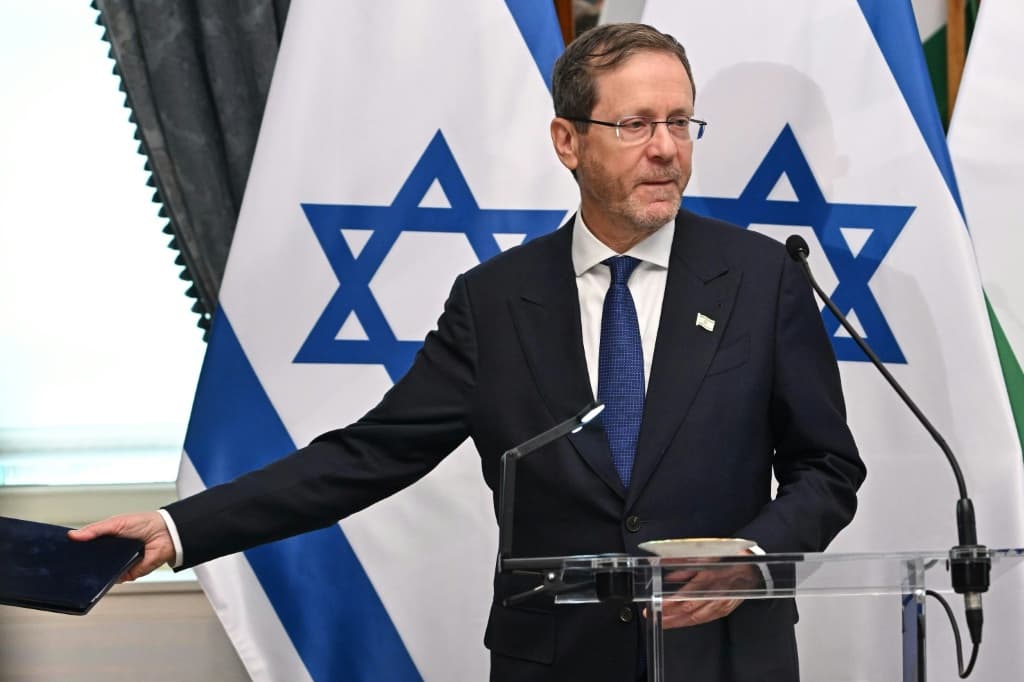
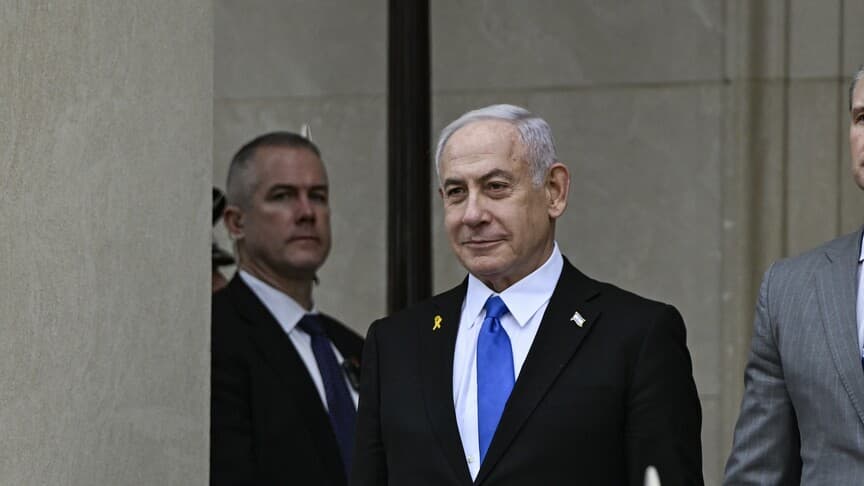
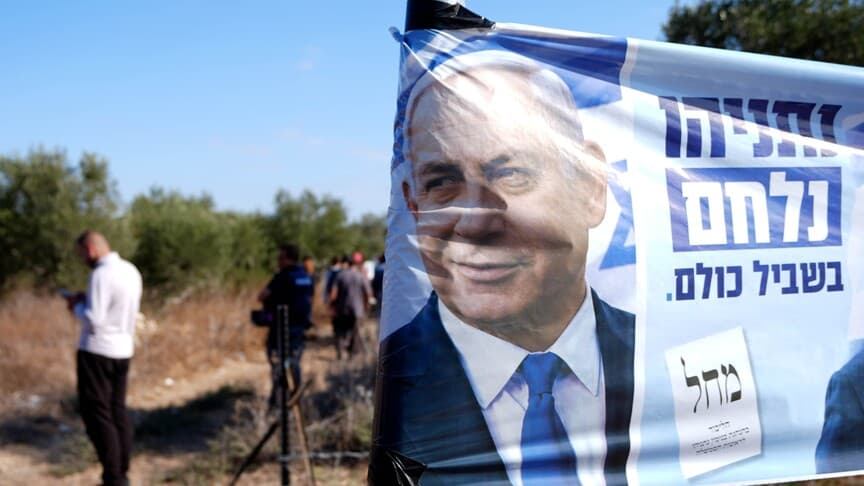
Israeli President Isaac Herzog opened consultations with parliamentary factions at his residence in Jerusalem after receiving the official results of the parliamentary elections held on October 27. According to the newspaper Yedioth Ahronoth, as cited by Anadolu,the first faction received was Finance Minister Bezalel Smotrich's Religious Zionism bloc: a delegation led by MK Orit Strok recommended entrusting the formation of the government to incumbent Prime Minister Benjamin Netanyahu. He was also backed by the ultra-Orthodox Shas party led by Aryeh Deri; Shas MK Yinon Azulai defended the party's position against the conscription of yeshiva students at the meeting.
Recommendations in favor of Eisenkot and abstentions
Avigdor Lieberman's Yisrael Beiteinu party recommended Gadi Eisenkot, leader of the opposition Yashar party. MK Oded Forer told Herzog that the party would not join a government dependent on the support of Arab parties: 'You cannot expect us to sit in a government that will depend on parties unwilling to recognize Hamas as a terrorist organization,' the outlet quotes him as saying. The Arab Raam party led by Mansour Abbas, according to Yedioth Ahronoth, decided to recommend Eisenkot ahead of its meeting with the president on Thursday. Hadash-Taal MK Ofer Cassif told Anadolu that the alliance would likely also back Eisenkot, although its position is still being discussed. The ultra-Orthodox Torah and Shabbat alliance (UTJ), according to reports, will abstain from recommending any candidate.
The arithmetic of mandates and next steps
Netanyahu's bloc won 53 of the 120 Knesset seats, including seven UTJ mandates, while the opposition parties oriented toward Eisenkot hold 48, Hadash-Taal holds 11, and Raam holds 8. A parliamentary majority requires 61 mandates. If Hadash-Taal and Raam join the 48 opposition mandates in recommending Eisenkot, factions holding 67 seats would back him; however, as the outlet notes, whether these factions would support a government led by Eisenkot depends on subsequent negotiations. After the consultations, Herzog will decide whom to task with forming the government: the elected MK will be given 28 days, with a possible 14-day extension.