The key facts
- No bloc holds a majority in the 120-seat Knesset after the October 27 election
- Herzog began consultations and condemned «racist statements» against the Arab minority
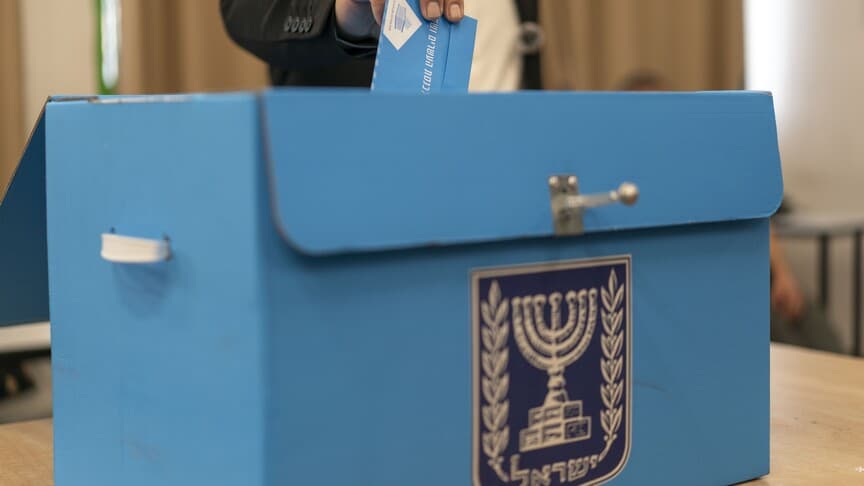
- The Central Elections Committee audited 9,069 polling stations and found no grounds to doubt the results
Consultations after an election with no clear winner
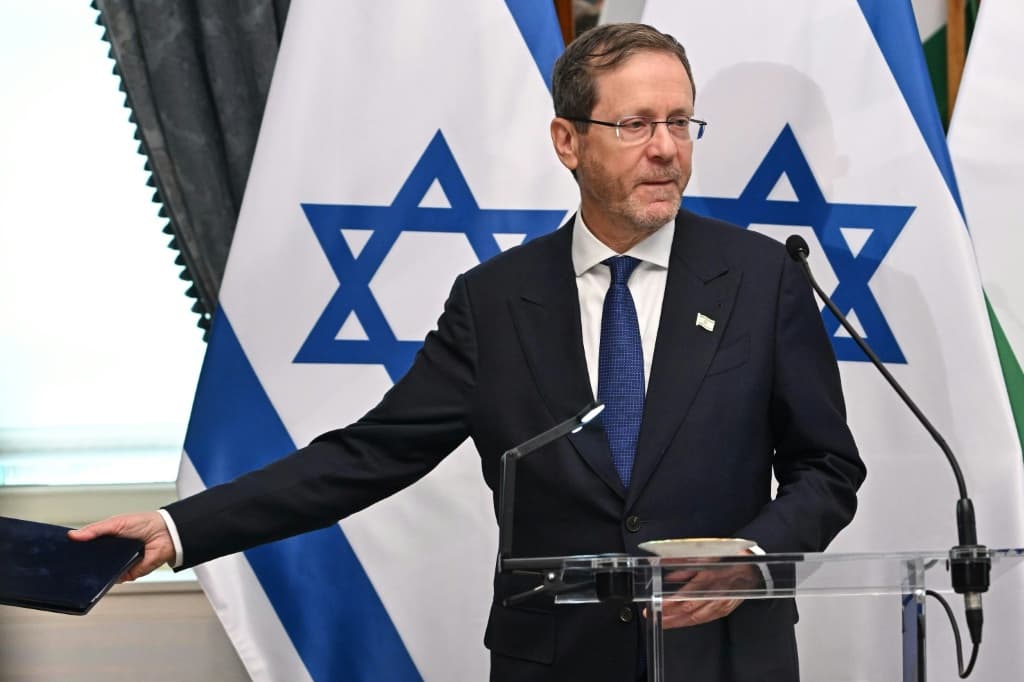
Israeli President Isaac Herzog on Wednesday began consultations with party leaders on forming a new government, calling on the sides to compromise: no bloc won a majority in the 120-seat parliament in the October 27 election — the first since the Hamas attacks of October 7, 2023. «In the current reality, when there is no clear winner after the election, I ask for originality and creativity, courage and good will, so that the winner is the State of Israel,» Herzog said, adding that both sides must accept that «not every commitment and promise can be fulfilled» and avoid a new election. This was reported by AFP.
Tensions over the Arab parties
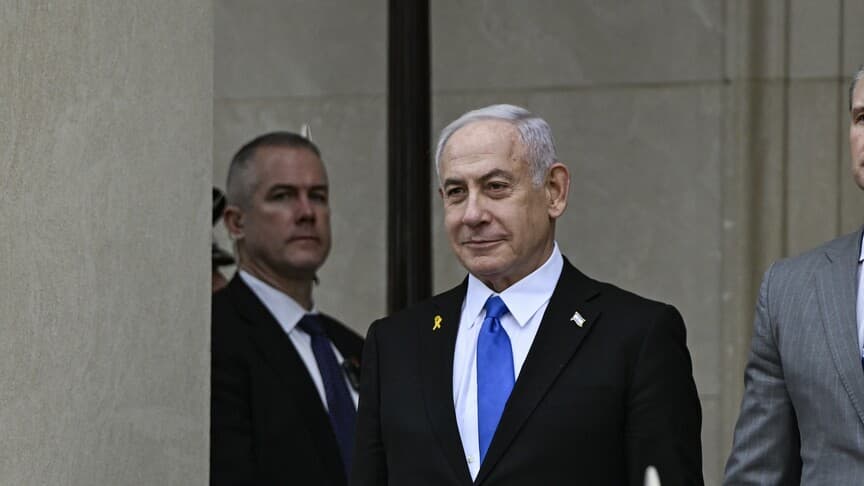
The election brought a sharp rise in support for Arab lists — the Arab minority makes up about 20% of Israel's population. Prime Minister Benjamin Netanyahu spoke out against the Arab lists, which could bring his rival Gadi Eisenkot to the premiership if they unite. He pointed to the detention of several people with envelopes of cash on election day — authorities called these local incidents — and accused their leaders of receiving money from Qatar; a similar accusation had also been made against the prime minister's own aides. Herzog, without naming anyone specifically, said he treats the Arab minority with respect and condemns the «rudeness and racist statements» heard recently. The Central Elections Committee said it had audited 9,069 polling stations following complaints and found no evidence casting doubt on the integrity of the results; the outcome was approved by 15 votes to two, with 14 abstentions. National Security Minister Itamar Ben-Gvir said his party does not recognize the results and called for the arrest of the leaders of the Arab parties. According to several Israeli media outlets, authorities are investigating the case of lawmaker Ayman Odeh over allegedly received foreign money; his Joint List called this «political persecution.»
Mutual accusations and the next steps
Eisenkot, a former chief of the general staff, accused Netanyahu of trying to «undermine Israeli democracy» and of stirring up sentiment against elected lawmakers — the statement came on the anniversary of the 1995 assassination of Prime Minister Yitzhak Rabin. Opposition lawmakers also said the US midterm elections, in which the Democrats outperformed the Republicans, reinforce the need to remove Netanyahu; the leader of the center-left party, Yair Golan, warned that Netanyahu and Ben-Gvir remaining in power could lead Israel to sanctions, isolation and conflict with the United States. Netanyahu, for his part, called for forming a «broad national government» led by himself; he faces corruption charges that could result in a prison term if he leaves office. According to AFP, Eisenkot also warned Netanyahu against starting a new war with Iran together with his ally, US President Donald Trump, which could help the prime minister achieve a unity government or buy time until a new election. Herzog will hold two days of consultations, after which he will give one of the contenders 28 days to form a government, with a possible 14-day extension. For comparison: after the November 2022 election, Netanyahu needed 58 days. Between 2019 and 2022, Israel held five elections due to repeated deadlocks.