The key facts
- Neither Netanyahu's bloc (53 seats) nor Eisenkot's bloc (48) won a majority in the 120-seat Knesset
- Two Arab alliances won 19 seats for the first time, but almost all Jewish parties pledged not to form a government with them
- The Shin Bet is investigating claims of foreign interference; the Central Elections Committee confirmed there were no grounds to delay certification of the results
Consultations after an election with no clear winner
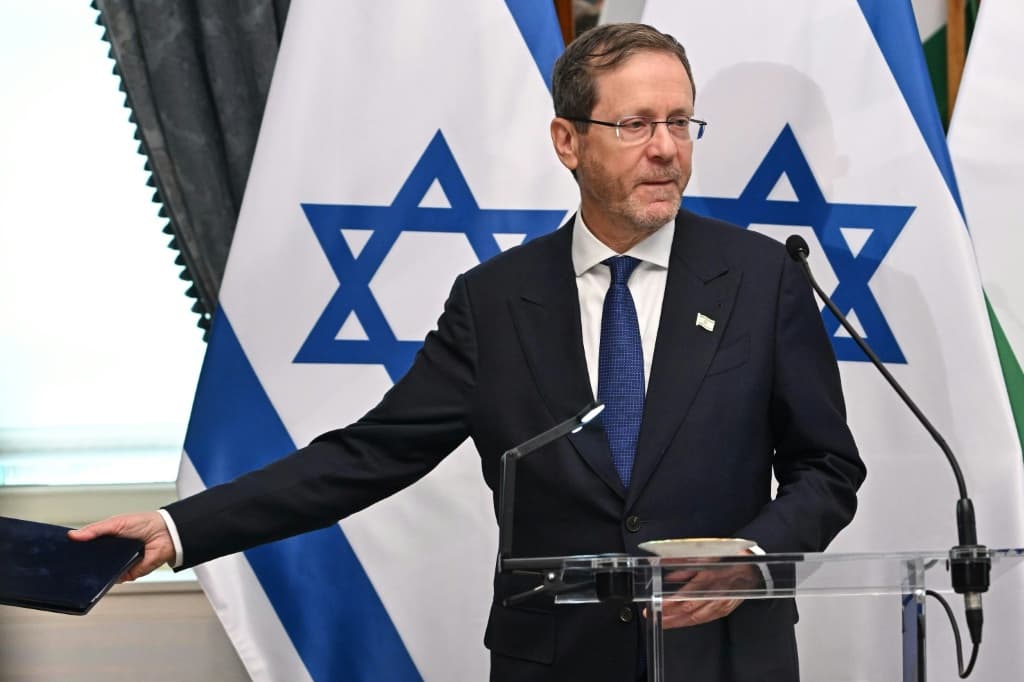
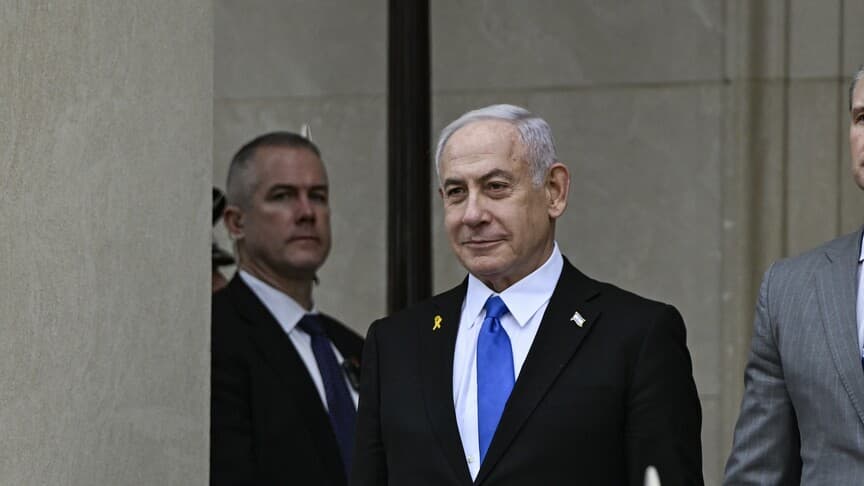
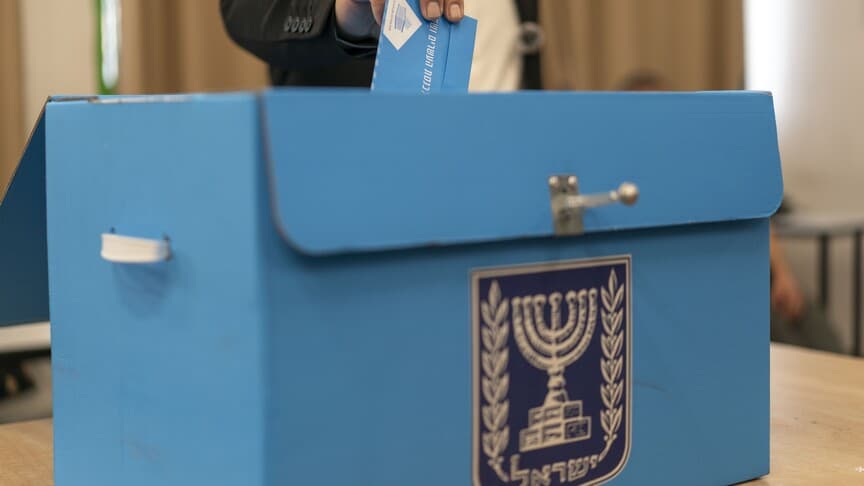
Israeli President Isaac Herzog received the official results of the October 27 election from Central Elections Committee head Judge Noam Solberg at a ceremony in Jerusalem on Wednesday morning and announced that consultations with the parties would begin that same evening. According to BBC News, neither the bloc of Prime Minister Benjamin Netanyahu nor the bloc of his rival Gadi Eisenkot secured a majority in the Knesset: the right-wing Likud, together with its far-right and ultra-Orthodox allies, won 53 of the 120 seats, while Eisenkot's centrist Yashar party, with three allies, took 48.
Arab parties — potential 'kingmakers'
The key factor was the two Arab alliances — the United Arab List and the Joint List — which together won 19 seats for the first time, amid record turnout among Arab voters. This makes them potential 'kingmakers', yet almost all Jewish parties pledged before the vote not to form a government with them. The president's role is largely ceremonial, but it is he who chooses the Knesset member to be tasked with forming a government: that person will have 28 days, with a possible 14-day extension. The president is not obliged to appoint the leader of the largest party and may choose the one who, in his view, has the best chance of assembling a coalition. Herzog warned the faction leaders that 'not every commitment and promise can be kept' if they want to avoid another election.
Dispute over the election's legitimacy and the Shin Bet investigation
At the same time, a conflict over the legitimacy of the vote intensified. Solberg said there was no evidence of violations, and that unsubstantiated claims by the Netanyahu camp that Arab parties were 'stealing' the election gave no grounds to delay certification of the results. 'In recent days we have heard voices trying to sow doubt about the election results and undermine their legitimacy. This is a real danger,' he said. The Shin Bet is investigating allegations of foreign interference: according to Solberg, the service's intelligence points to 'a broad phenomenon involving the flow of significant funds into Israel from foreign states', some of which are hostile. Israeli media previously reported a claim that Qatar had funded efforts to raise turnout in Arab communities; Qatar's Foreign Ministry categorically denied this. Shin Bet head David Zini, a appointee of the prime minister, demanded the interrogation of four Arab politicians, but Attorney General Gali Baharav-Miara refused, citing a lack of evidence of any offences; Likud accused her of trying to 'sabotage the investigation'. Far-right National Security Minister Itamar Ben-Gvir called for the arrest of all Arab party leaders, while Joint List chairman Yousef Jabareen accused him and the prime minister of attempting to 'steal the election from the public'. Eisenkot said that Netanyahu and Likud 'are trying to carry out a real pogrom against democracy and the rule of law'. Herzog expressed confidence in the Shin Bet and called for patience, but stressed that Arab Israelis — about a fifth of the population — 'must not be demonised', condemning the 'coarseness and racist statements' of recent days.
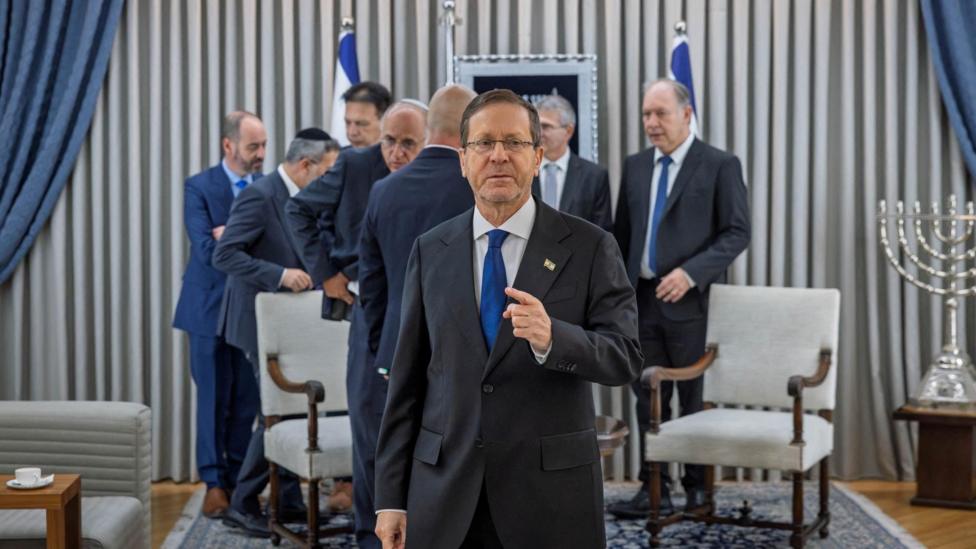 Image source, Reuters
President Isaac Herzog received the official results from the Central Election Committee on Wednesday morning