The key facts
- Supreme Leader Mojtaba Khamenei said the change of party majority in Congress will not change US policy toward Iran
- Parliament Speaker Mohammad Bagher Ghalibaf interpreted the election results as American voters' «no» to war
- Iranian conservative media believe the differences between Republicans and Democrats on the Iranian issue are minimal
Tehran downplayed the significance of the election results
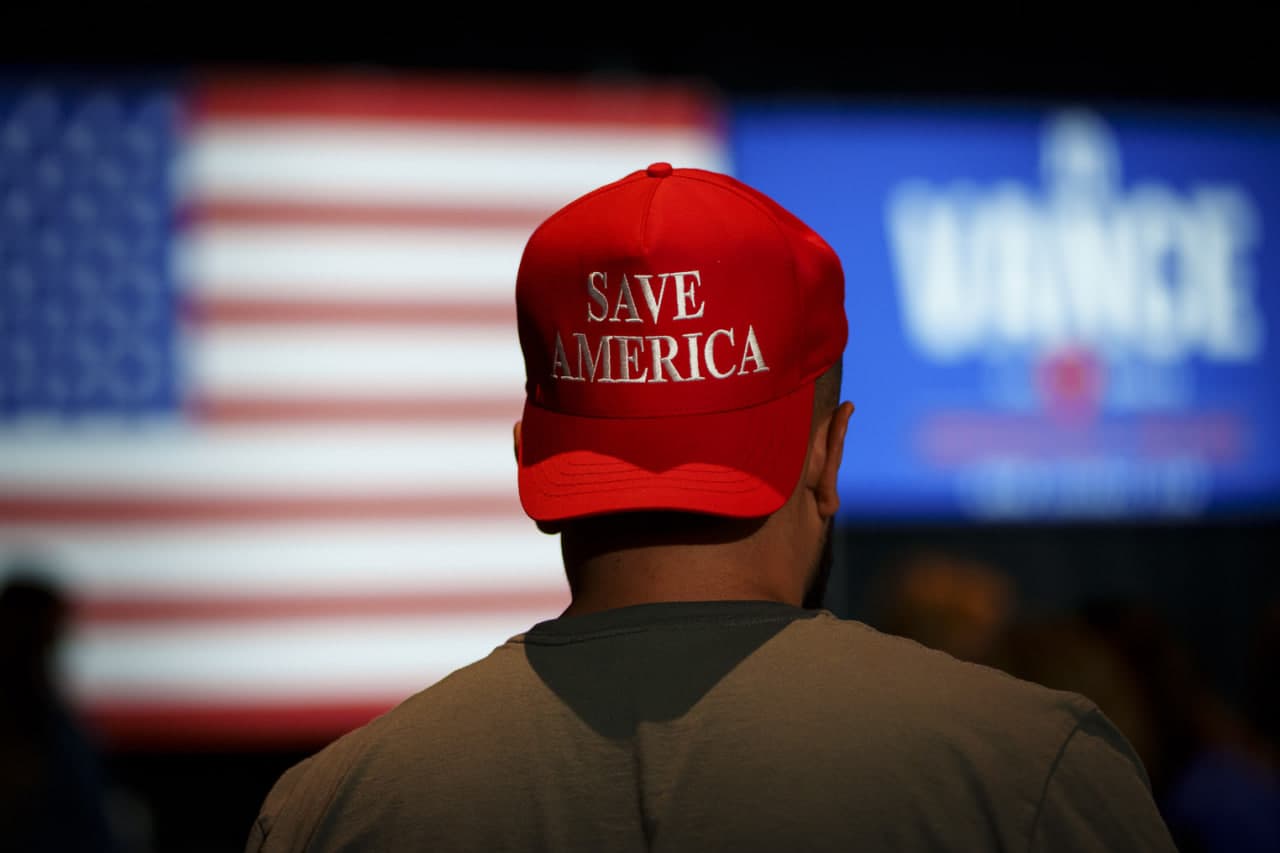
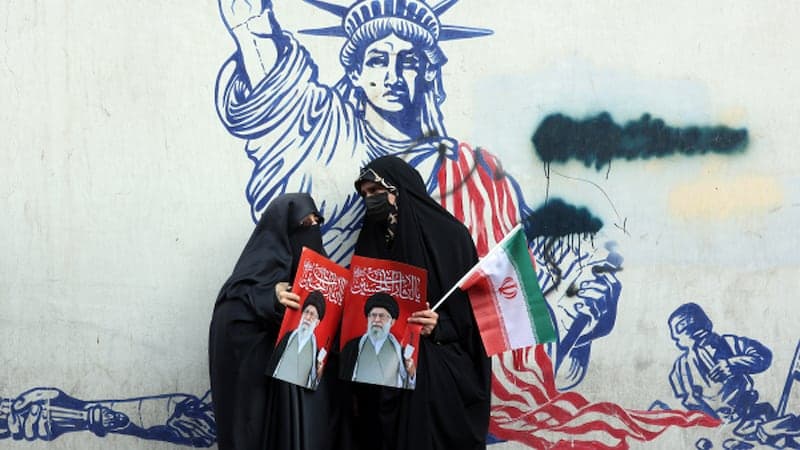
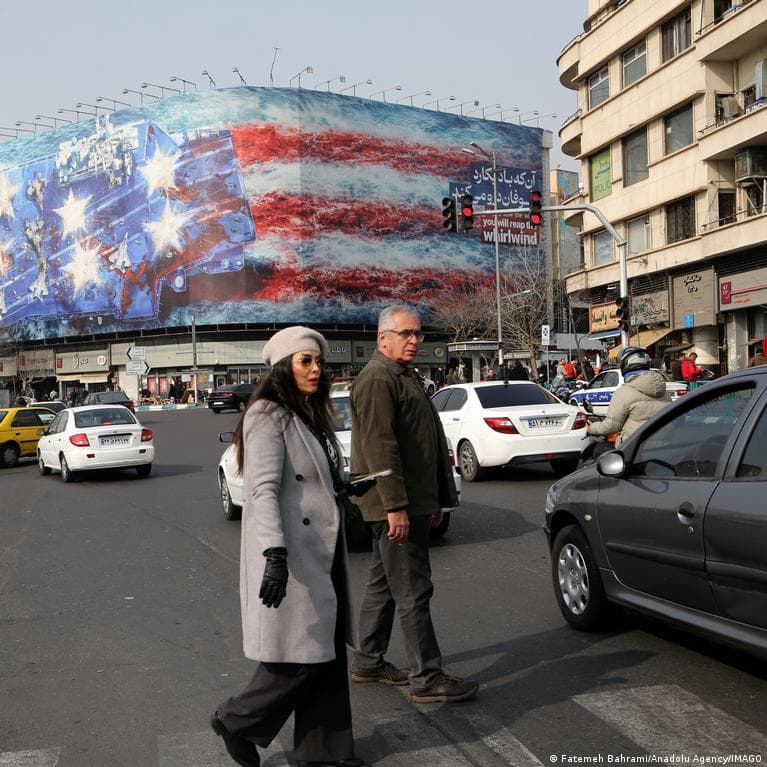
Iran's leadership reacted to the Republicans' defeat in the US midterm elections with restraint and in differing ways, writes Deutsche Welle. Supreme Leader Mojtaba Khamenei said in a statement after the vote: «If there are still those who believe that America can be persuaded to abandon its hostility toward the Iranian people through concessions or party changes in the US political system, they are deeply mistaken». He also warned that Tehran would respond more harshly to any future US military action.
The elections took place against the backdrop of a conflict
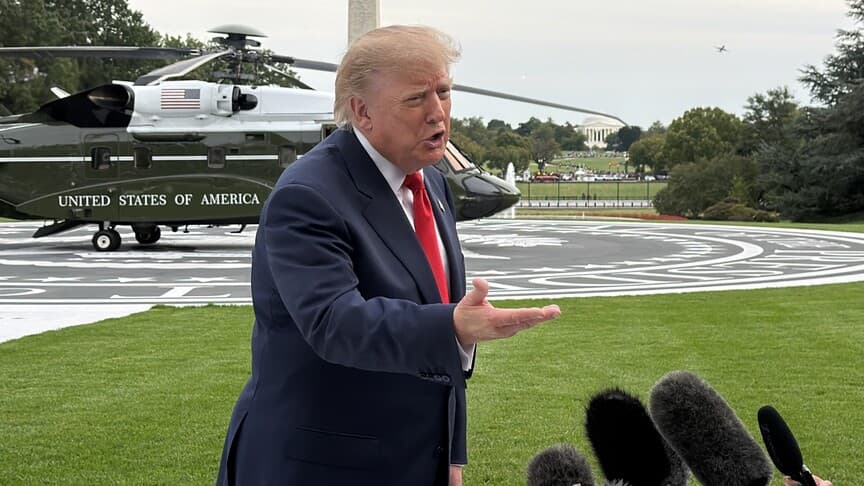
The vote was held after months of military confrontation between Tehran and Washington, which disrupted global energy markets and raised fears of a broader regional conflict. According to DW, US strikes on Iran came just hours before the election itself. US Vice President JD Vance, according to the Iranian parliament speaker, acknowledged that the war with Iran was one of the reasons for the Republicans' defeat.
Differing assessments within Iran's elite
The reaction inside Iran was divided. Parliament Speaker Mohammad Bagher Ghalibaf wrote on X: «Americans said no to war», noting that the rising cost of living also contributed to Trump's party's loss. He ironically addressed Vice President Vance: «Skip the TED-style lecture. Why not say this to your boss?». Secretary of the Supreme National Security Council Mohsen Rezaei said that Iran «challenged the US on the battlefield and in the Strait of Hormuz,» and also inflicted a political defeat on it in Washington. The Etelaat Online website sarcastically suggested that the long-discussed «regime change» ultimately happened not in Iran, but in the US.
Experts' skepticism and historical parallels
Iranian journalist Mohammad Sadeg Javadi Hessar, a member of the reformist Etemad-e Melli party, believes the election outcome will not affect Tehran's calculations: «Iran will not change its position simply because the Republicans lost their majority». In his view, decisions on ending the conflict will ultimately be made in Washington, while Tehran will continue to insist on its previous demands — a cessation of all hostilities, including in Lebanon, and the lifting of the US naval blockade.
Historical parallels and conservatives' skepticism
The state-run Mehr agency drew a parallel with Jimmy Carter, recalling the failed 1980 operation to free the hostages in Tehran, when a helicopter and a C-130 transport aircraft collided in a sandstorm, killing eight Americans. The agency saw this as an example of the limits of US military power in disputes with Iran; Carter lost the election to Ronald Reagan that same year, and the hostages were released in January 1981, minutes after his inauguration. The Tasnim agency, close to the IRGC, by contrast downplayed the significance of the elections: in its view, there is little real difference between Republicans and Democrats on Iran policy, which it expressed with the Persian proverb «a yellow dog is the brother of a jackal».
Diplomacy instead of escalation?
Veteran Iranian diplomat Hossein Alizadeh, who served for 22 years and resigned in 2010 in protest against the suppression of the 2009 protests, considers major US military escalation unlikely. According to him, the Democrats are also opponents of the Islamic Republic, but «unlike the Trump administration, they chose a diplomatic agreement with Tehran» — the 2015 nuclear deal placed Iran's nuclear activities under IAEA oversight. He added that the Democrats and US allies did not support the attack on Iran, and «the negative consequences of such a war have already become evident». At the same time, he assesses the overall effect of the elections as difficult to predict.