The key facts
- Iranian officials and state media framed the US midterm election results as a defeat for Trump's military policy
- Iranian officials and state media called the results of the US midterm elections a defeat for Trump's military policy
- Quds Force commander warned that a new conflict could extend beyond the Strait of Hormuz
- A commander of the IRGC Quds Force warned that a new conflict could extend beyond the Strait of Hormuz
- According to Reuters, Iran deliberately stalled negotiations to weaken Trump politically and is preparing for new strikes rather than a deal
Tehran declared the elections its victory
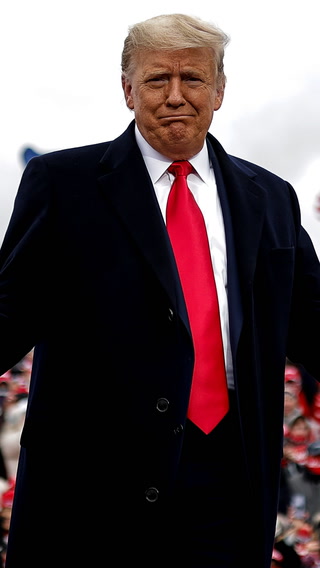
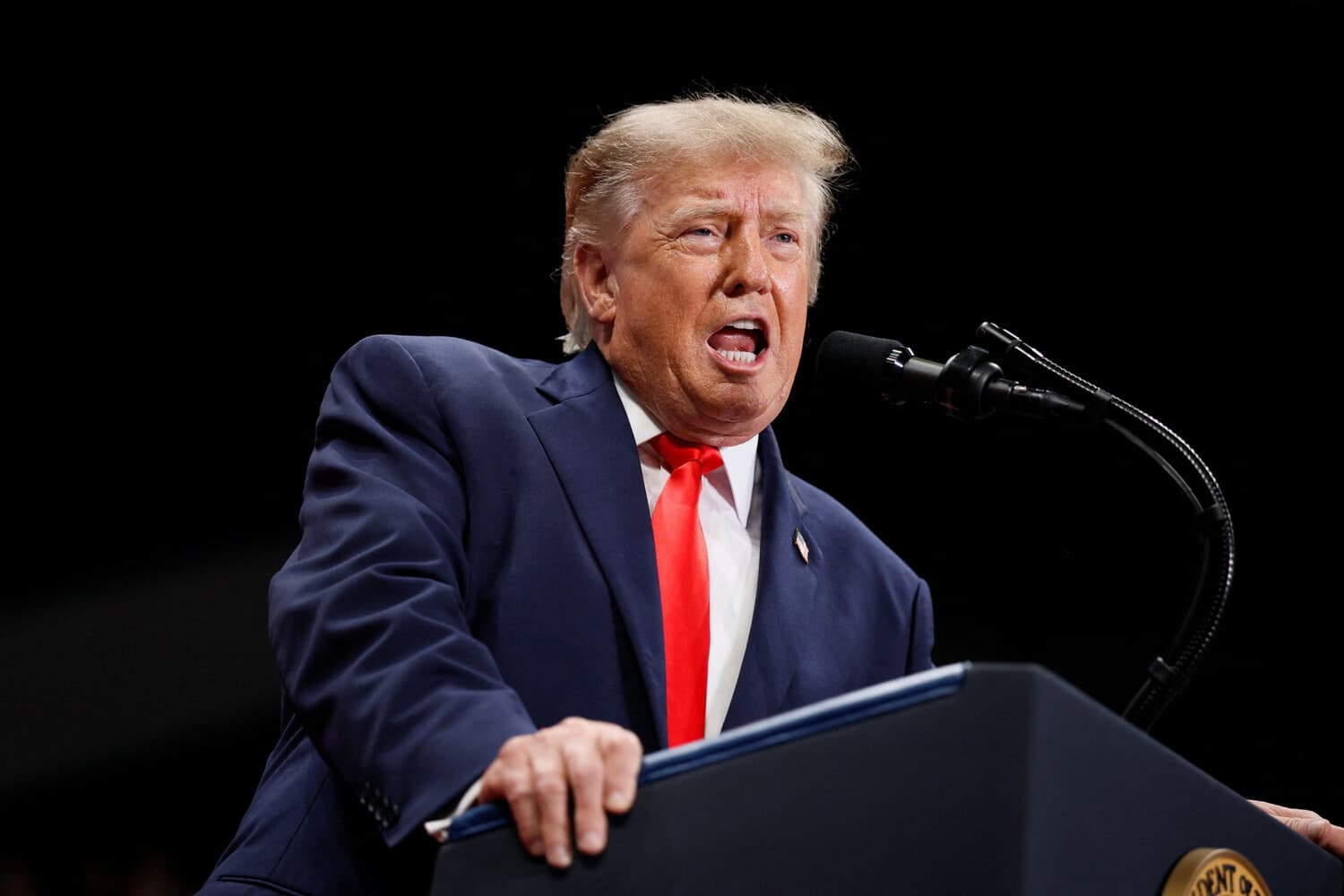
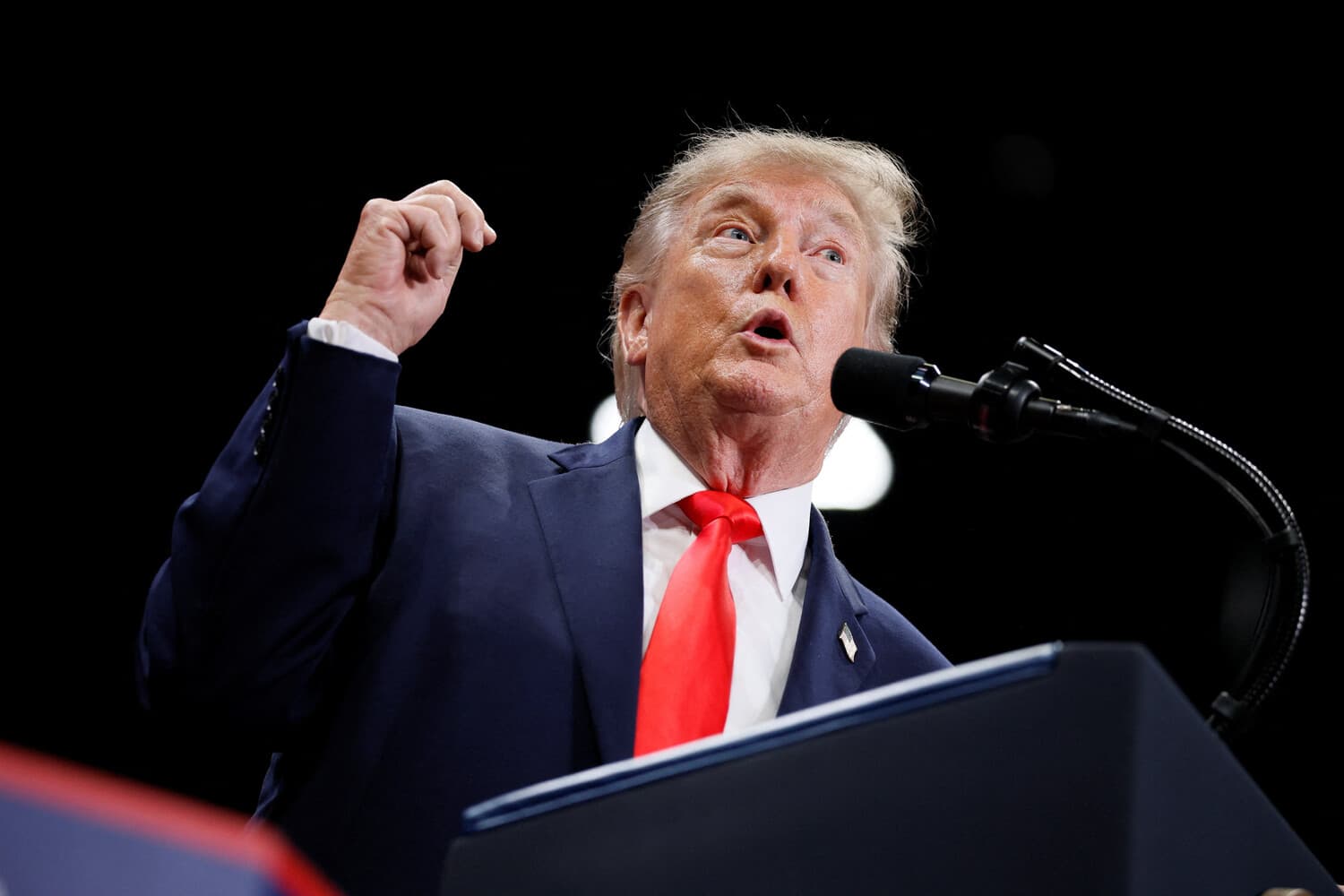
Iranian authorities interpreted the Republican Party's defeat in the US midterm elections, where Donald Trump's party lost both chambers of Congress, as evidence that his military policy is backfiring. Mohammad Bagher Ghalibaf, Speaker of Parliament and head of the Iranian delegation in negotiations, wrote on X: 'Conscience or cost of living — Americans said no to war, and we support this message,' adding that if the US continues the war, 'they will learn that our no is accompanied by a nightmare.' Mohsen Rezaei, head of the Supreme National Security Council, stated that Iran dealt Trump 'a strategic defeat on the battlefield and in the Strait of Hormuz — and a political defeat in Washington.' This is reported by The National.
State media and the Supreme Leader
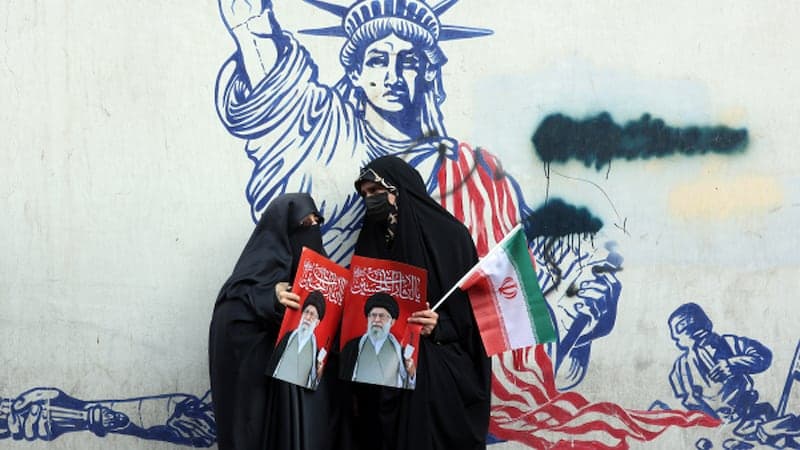
State press adopted the line: conservative newspaper Jam-e Jam published under the headline 'Twilight of Trumpism,' while mass-circulation Hamshahri featured an image of Trump with blindfolded eyes under the headline 'Iran's Shadow over US Elections.' The American expression 'lame duck' — referring to a president whose influence is waning near the end of their term — has entered Iranian political vocabulary. The loss of both congressional chambers fuels such assumptions, although Trump retains significant executive and military powers. According to a statement issued in the name of Supreme Leader Mojtaba Khamenei, expectations of change were rejected: those who hope the behavior of the 'hegemonic system' will change due to partisan shifts 'are seriously mistaken.'
Threats of escalation and ongoing attacks
Rhetoric of victory is combined with explicit warnings about escalation. Quds Force commander Brigadier General Esmail Qaani stated that a new conflict could extend beyond the Strait of Hormuz: 'the entire resistance front is unified,' otherwise 'there will be war with weapons in the Strait of Hormuz and liberation of the Bab-el-Mandeb Strait.' The strait is already under a US naval blockade and Iranian restrictions, and new Houthi attacks from Yemen could further threaten shipping and energy supplies. On Thursday night, the Quds Force reported fires on two oil tankers and a tugboat in separate incidents in the Strait of Hormuz, as well as the capture of two US Lucas-type drones through electronic interception; these claims remain independently unverified.
Preparedness for strikes, not for a deal
Military warnings are accompanied by signals that Iran is preparing for new attacks rather than expecting the elections to lead to a diplomatic breakthrough. As Reuters reported before the elections, Iranian officials deliberately stalled negotiations to weaken Trump politically while simultaneously preparing for possible American and Israeli strikes. 'Iran is preparing for new Israeli and American attacks, not for a deal with America to end the war,' said one official, adding that the clerical establishment has no intention of granting Trump a political victory.
Risk of miscalculation
There is concern that Tehran may misjudge the consequences of Trump's political defeat. International Crisis Group analyst Ali Vaz told CNN: 'There is definitely a risk that a president who lost the election may feel the need for redemption on the battlefield.' According to him, mediating countries, including Qatar and Pakistan, fear that Iranians intend to turn Trump into 'another President Carter' — politically defeating him by prolonging confrontation, without realizing that now might be the moment to offer him a face-saving exit. Vaz emphasized: Trump is politically weakened at home, 'but this does not mean the US is militarily weakened and unable to resume this war.' The reference to Jimmy Carter alludes to the 1979–1981 hostage crisis, which became Carter's defining foreign policy failure and contributed to his defeat in the 1980 elections. The elections do not strip Trump of the authority to issue military orders: Democrats will gain control of Congress in January and greater influence over military spending and oversight, but not an automatic veto on presidential decisions.