The key facts
- The Democrats won a majority in the House of Representatives and the Senate in the US midterm elections
- Strack-Zimmermann expects pressure on Trump to stop the war in the Middle East and reduce troops
- The MEP called on Europe to continue strengthening its role in NATO regardless of the American elections
Elections as a signal against war
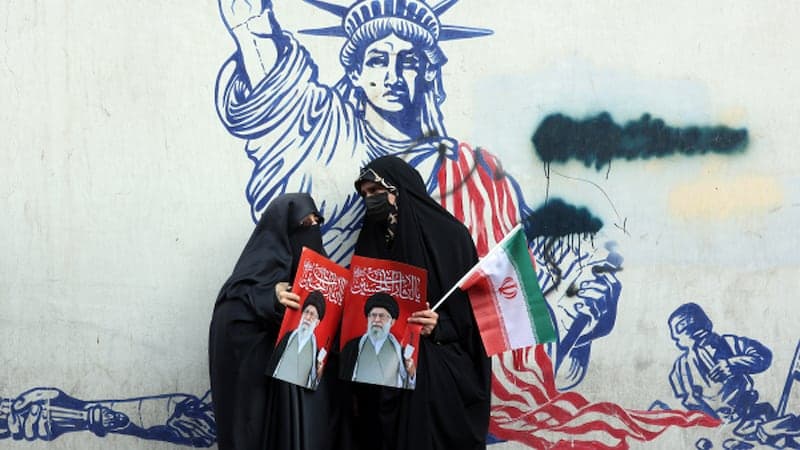
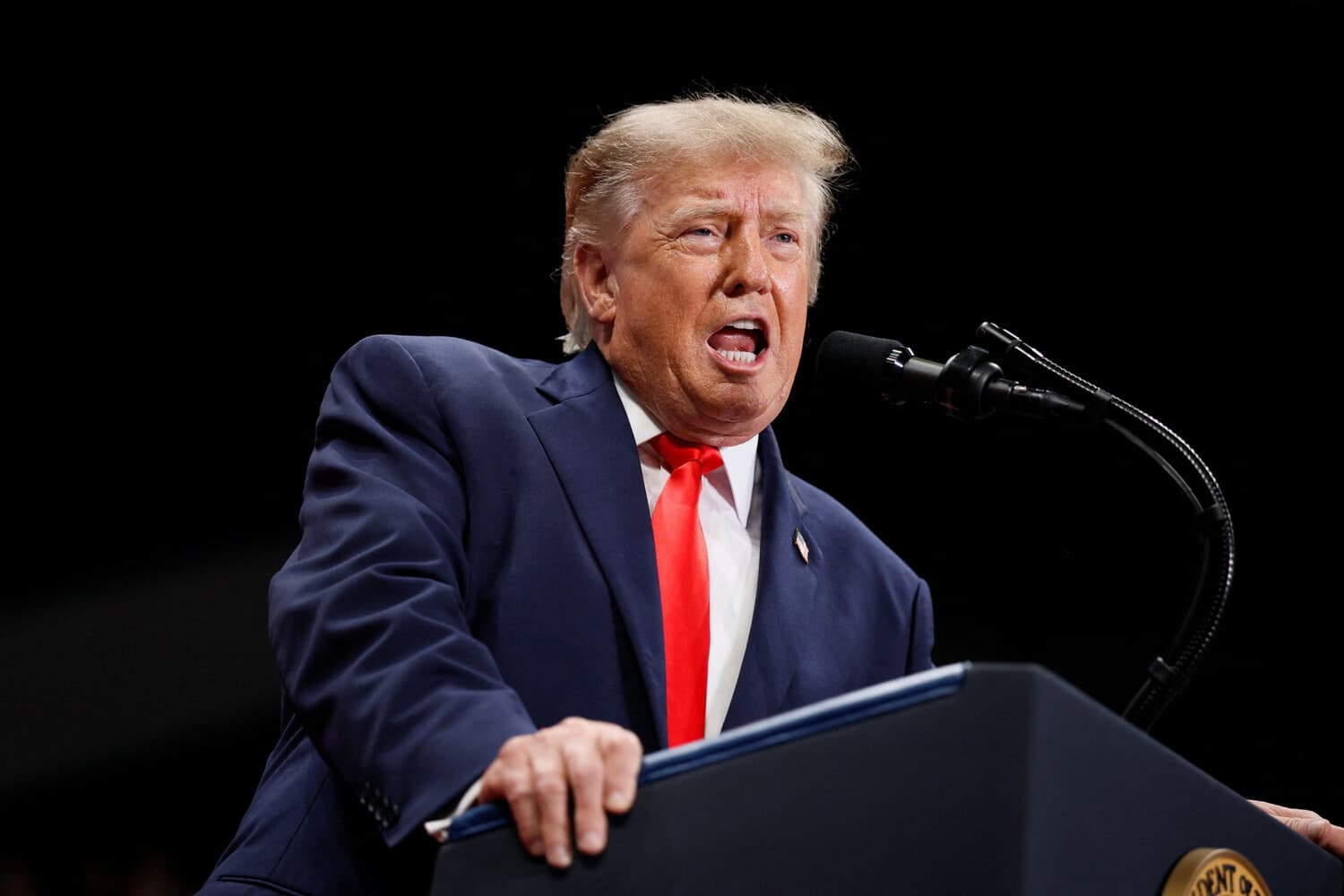
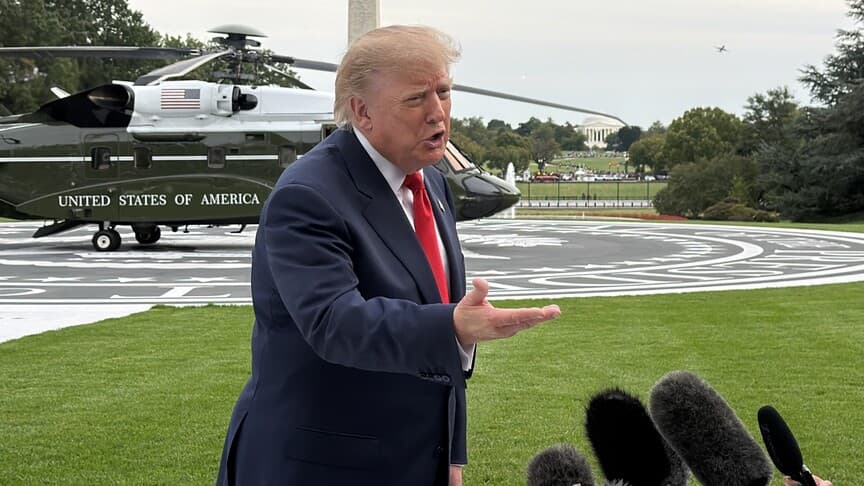
The results of the US midterm elections, in which the Democrats regained control of the House of Representatives and the Senate, are likely to increase pressure on President Donald Trump to reconsider his Middle East policy. This opinion in an interview with the Anadolu agency was expressed by the chair of the European Parliament's subcommittee on security and defence, the German politician from the Free Democratic Party, Marie-Agnes Strack-Zimmermann. According to her, many Americans demanded an end to the war in the Middle East, and she expects the administration to attempt a change of course. She also stated that Trump 'will now have to reduce the troops,' and that earlier optimistic expectations of regime change in Iran had turned into a catastrophe.
The war economy as a voting factor
Strack-Zimmermann linked Trump's and the Republican Party's losses to the economic costs of the conflict with Iran. In her assessment, voters were particularly concerned about expenses, the healthcare insurance situation, and rising oil prices: many Americans live outside cities and depend on cars for long trips, so the rise in fuel prices became a tangible burden for them. European politicians, she said, regard the election results as 'a victory for democracy.' The US elections were closely watched in Europe amid strained relations with the Trump administration — from the war with Iran and trade disputes to criticism of allies for insufficient defence spending and doubts about US commitments to NATO, as well as concern over Trump's closeness to the Russian leader Vladimir Putin.
Europe's course toward self-reliance and uncertainty over Ukraine
Although she called the election results positive for Europe, the concrete outlines of a possible change in US policy remain unclear, she admitted: the Democrats control Congress, but Trump remains president for two more years. Strack-Zimmermann stressed that Europe must continue to strengthen its own defence capabilities regardless of the American elections — not as an alternative to NATO, but as a reinforcement of the alliance's European pillar against the backdrop of the US strategic focus shifting to the Indo-Pacific region. On Ukraine, she expressed hope for a change of course in Washington, but warned against excessive expectations: support depends on money, and the Democrats want to cut the military equipment budget. At the same time, according to her, MEPs maintain close dialogue with their American colleagues and intend to intensify contacts in the coming weeks; she also added that Europeans are 'irritated' by Trump's closeness to Putin, and they hope the Democrats will pressure the president to stop such behaviour.