The key facts
- Average loan rates have fallen by 2–3 percentage points relative to August 2025; mortgages have become cheaper, dropping from 24–25% to 18% in some offers.
- The Central Bank links the decline in rates to saturation of loan demand, deposit growth of 45%, and cooperation with the IMF and EBRD.
- Core inflation has fallen to 5.5% — the lowest since observations began, approaching the 5% target.
Central bank names timeline for lower loan rates
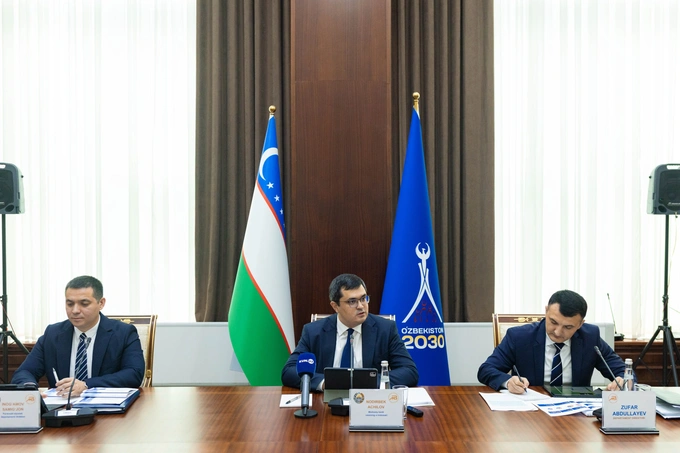
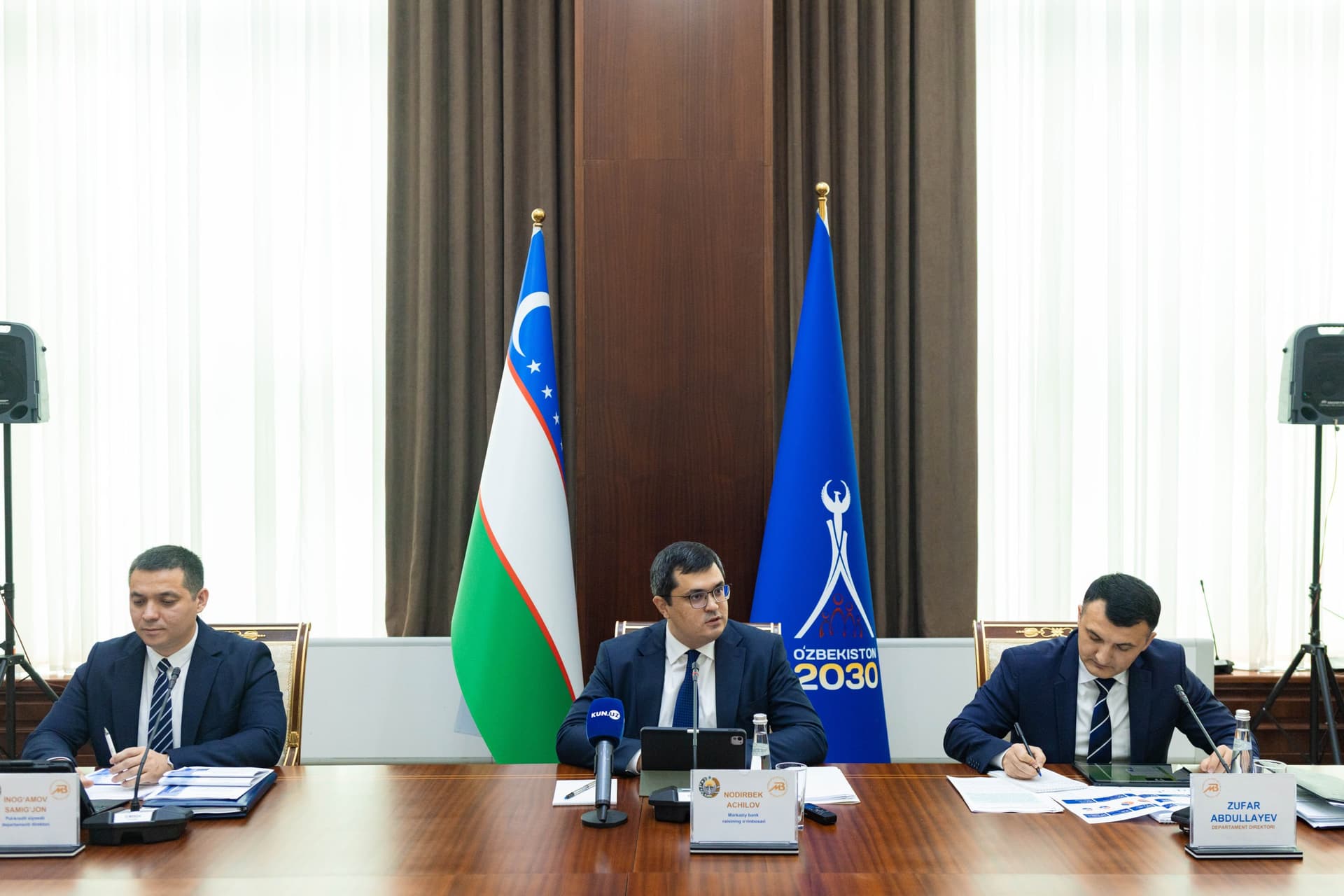
Bank loan rates in Uzbekistan will decline gradually, and the lending market will approach an equilibrium level within the next 3–4 years. This was stated on 4 November at a press conference by Deputy Chairman of the Central Bank Nodirbek Achilov, Spot.uz reported in its Russian-language and Uzbek-language versions of the article.
What has already declined
According to Achilov, the overall trend in rates is already downward: average loan rates in October were 2–3 percentage points lower than in August 2025. Investment loans are cheaper than other segments. The decline is most noticeable in mortgages: whereas 3–4 years ago housing loans were offered at 24–25% per annum, now in some cases the rate reaches 18%. Microloans, short-term, unsecured and online loans remain expensive, but, according to the deputy chairman of the Central Bank, the pace of rate growth is slowing in these segments as well.
Why rates are high and what should bring them down
Achilov attributed the high rates to the pent-up demand for loans accumulated before 2017, which flooded into the banking system after the liberalization of the economy, as well as to the weak deposit base of banks in the previous decade. Now, according to his data, the growth of bank deposits reaches 45% per year, and deposits are mostly offered at a rate of about 18% — only a few banks offer more than 18%. “The market has begun to saturate, and the level of demand is also leveling off,” Spot.uz quotes him as saying; on this basis, the regulator expects a decline not only in the key rate but also in rates on all deposits and loans. To this end, the Central Bank cooperates with the IMF and the EBRD, including on introducing floating-rate instruments and developing the money market, which should affect the price of long-term resources.
The role of the key rate and inflation
The current key rate of 14% may seem high, but, as Achilov explained, it responds to inflation and inflation expectations, so it cannot be lowered further until they decrease. Core inflation has fallen from 14.5–15% in 2022 to 5.5% — the lowest level since observations began, close to the target of 5%. At the same time, the Central Bank admits that rates on unsecured and fast loans may remain above average even if the overall trend continues. Earlier, Spot.uz reported that the Central Bank does not intend to shift the deadline for reducing inflation to 5%, set for 2027.