The key facts
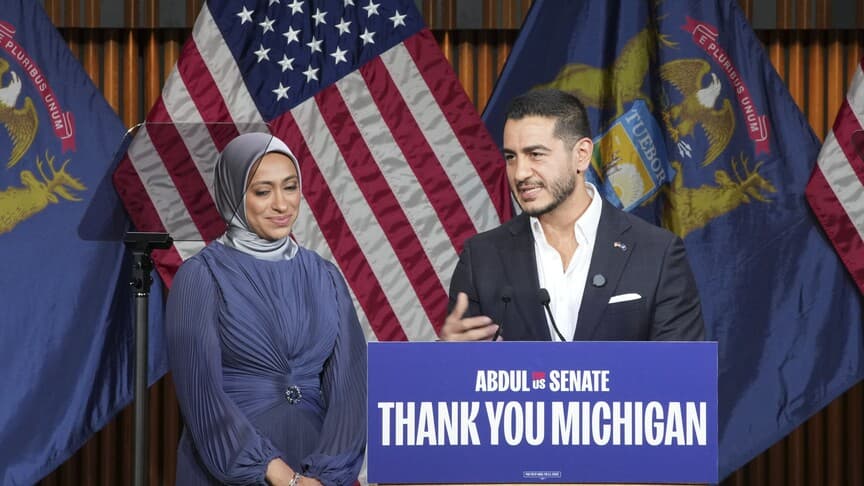
- Abdul El-Sayed became the first Muslim in the US Senate; at least seven Muslim candidates were elected to Congress in total
- In Israel, the Joint List won 11 seats and Raam 8; Netanyahu's bloc (53) and Eisenkot's opposition (48) lack the 61-seat majority
- Analysts differ in their assessments: some see a reaction to Trump's policies and the war with Iran, others the result of decades of political mobilization
Records on both sides of the ocean
Recent elections in the United States and Israel have markedly expanded the political representation of Arab and Muslim communities that long remained on the margins of national politics. In the November 3 midterm elections, Democrats won control of both chambers of Congress, and at least seven Muslim candidates secured seats — among them Abdul El-Sayed of Michigan, who became the first Muslim elected to the Senate. In Israel, after the October 27 elections, Arab parties won a record 19 seats for themselves — enough to potentially determine who forms the next government. Anadolu reports on these results and their significance citing several analysts.
United States: decades-long mobilization
Analysts explain the reasons for success in different ways. James Zogby, founder and president of the Arab American Institute, emphasized that the growth in Arab American participation had been going on for four decades, and that the war in Gaza merely «gave greater momentum and purpose» to this process. Giorgio Cafiero of Gulf State Analytics, by contrast, viewed the results as a rejection by Michigan voters of «the hateful and Islamophobic messaging of Trump and Zionist extremists.» Data from the Institute for Social Policy and Understanding show that Muslim voter registration rose from 60% in 2016 to 85% in 2025.
The price of the war with Iran
Opposition to the war with Iran, according to Anadolu's interlocutors, extended beyond Muslim communities. Cafiero linked the Democratic victories, including in Republican-leaning Kansas, to the economic consequences of the conflict and a «reckless war of choice»; Jason Campbell of the Middle East Institute added rising energy prices and discontent with the administration's immigration policy. Trump himself and Vice President JD Vance acknowledged after the vote that the war contributed to the Republican defeat. According to Responsible Statecraft, AIPAC spent $84.1 million, of which $55.3 million went to races where its candidate lost; Cafiero called this a «huge blow» to the organization.
Israel: Arab parties as possible kingmakers
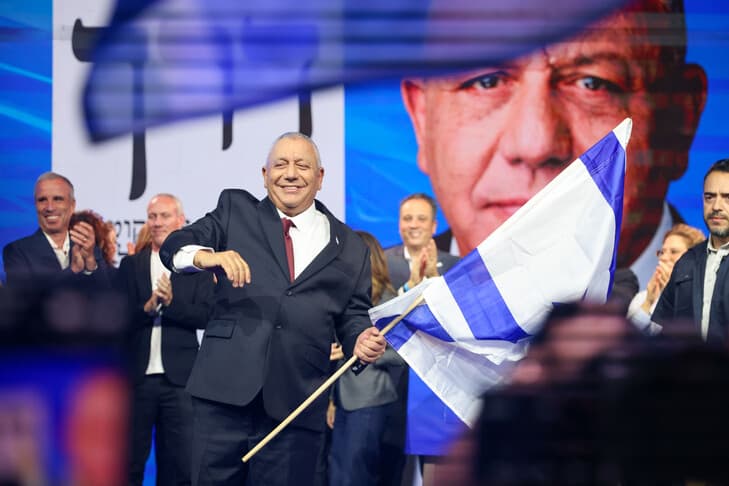
The Joint List won 11 seats, while Raam took 8. Prime Minister Benjamin Netanyahu's bloc captured 53 seats and Gadi Eisenkot's opposition 48, with neither reaching the required 61. Political scientist Neve Gordon attributed the record turnout primarily to anger over the war in Gaza, violence in prisons, settler violence in the West Bank, and crime in Arab communities, while noting that 19 seats is still fewer than the proportional 24. President Isaac Herzog began consultations with the parties on Wednesday, and Raam announced that it recommends Eisenkot.
Limits of influence
Analysts warn that electoral success does not guarantee real influence. Gordon, a professor at Queen Mary University of London's school of law, named racism as the main obstacle to Arab parties' participation in coalitions — «including among parties of the opposition bloc» — and mentioned the campaign of delegitimization of Palestinian representatives that Netanyahu waged. One possible scenario is outside support for a minority government in exchange for funding for schools, infrastructure, and policing, although, in Gordon's view, this is unlikely to give the Arab parties influence over policy on Gaza. In the United States, the influence of the new Muslim lawmakers will depend on alliances within the Democratic Party; Zogby believes that changed public opinion is already forcing politicians to respond, while Cafiero urged voters to pressure the new Democrats to fulfill their campaign promises.