The key facts
- Ra'am and the Joint List nominated Eisenkot for premier; he now holds a majority of recommendations from Knesset parties
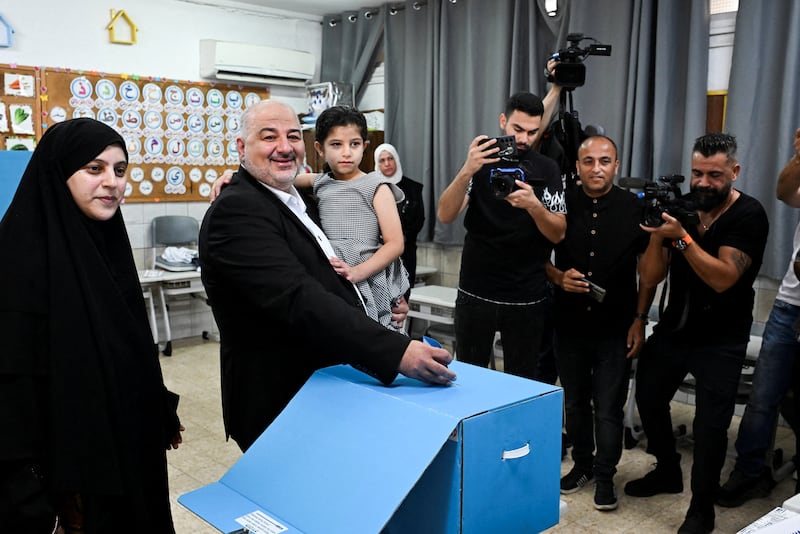
- Mansour Abbas called for Hamas to be disarmed but refused to label it a terrorist organisation — Eisenkot made this a coalition condition
- Ultra-Orthodox United Torah Judaism declined to recommend anyone, weakening Netanyahu's position
Arab parties back Eisenkot for Israeli premiership, but Hamas dispute threatens deadlock
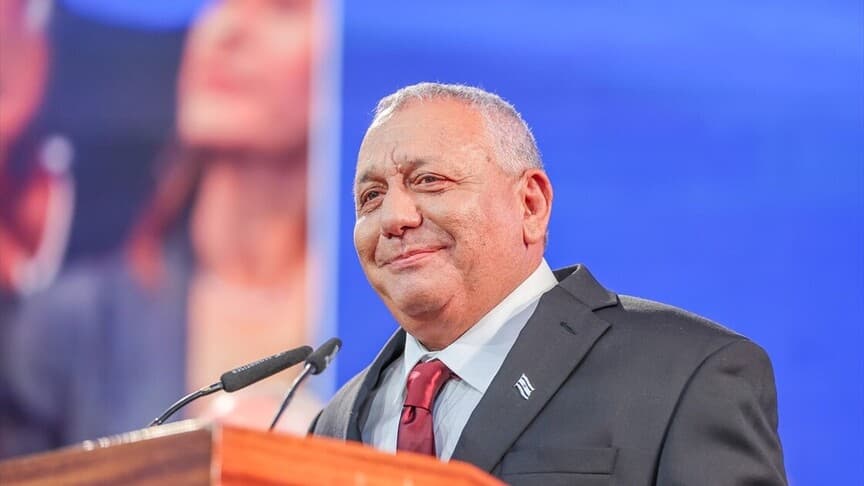
Israel's Arab parties in the Knesset on Thursday threw their support behind former army general Gadi Eisenkot as candidate for prime minister after last week's elections failed to produce a clear winner. First Ra'am, and then the more radical Joint List, announced they would nominate Eisenkot to form a government, The National reports. Eisenkot, leader of the opposition bloc, now holds a majority of recommendations from Knesset parties, making it likely he will be given the first attempt to form a cabinet.
The obstacle: the Hamas wording
The sticking point is the position on Hamas. Ra'am leader Mansour Abbas, during a meeting with President Isaac Herzog, called for Hamas to be disarmed and removed from power, but refused to label the group a terrorist organisation. While condemning terrorism, he asked that 'all armed groups' lay down their weapons and, when Herzog pressed him on the issue, asked to 'leave me space to protect myself and my family'. Eisenkot, for his part, set a condition: parties in his future coalition must recognise Hamas as a terrorist organisation. This contradiction threatens the opposition's ability to assemble a majority: after record turnout among Arab voters and a relatively weak result for the Jewish opposition, working with the Arab parties is one of Eisenkot's few paths to a majority. At the same time, Ra'am is considered the most flexible of the Arab parties in Israeli politics, and Abbas already served in an Israeli coalition in 2021; many Israeli politicians, including some in Eisenkot's bloc, have said they would not sit at the same table with the Arab parties.
What comes next
For Netanyahu it was a bad day: United Torah Judaism, one of the two major parties of ultra-Orthodox voters and a longtime ally of his coalition, declined to recommend any candidate. Herzog held separate meetings with Eisenkot and Netanyahu on Thursday evening at his residence in Jerusalem, wrapping up consultations that began on Wednesday after the official election results were announced. If Eisenkot receives the mandate, he will have 28 days to form a government, with the possibility of a 14-day extension; if the talks reach a deadlock, the chance will pass to another politician whom the president deems capable of assembling a cabinet.