The key facts
- The CB raised its end-2026 inflation forecast from 6.5% to 7% due to heating tariffs and the rise in liquefied gas prices
- The main rate was kept at 14%; the board also considered a cut to 13.5%
- New heating tariffs in Tashkent (+30%) have not yet been approved
Inflation forecast revised due to heating tariffs
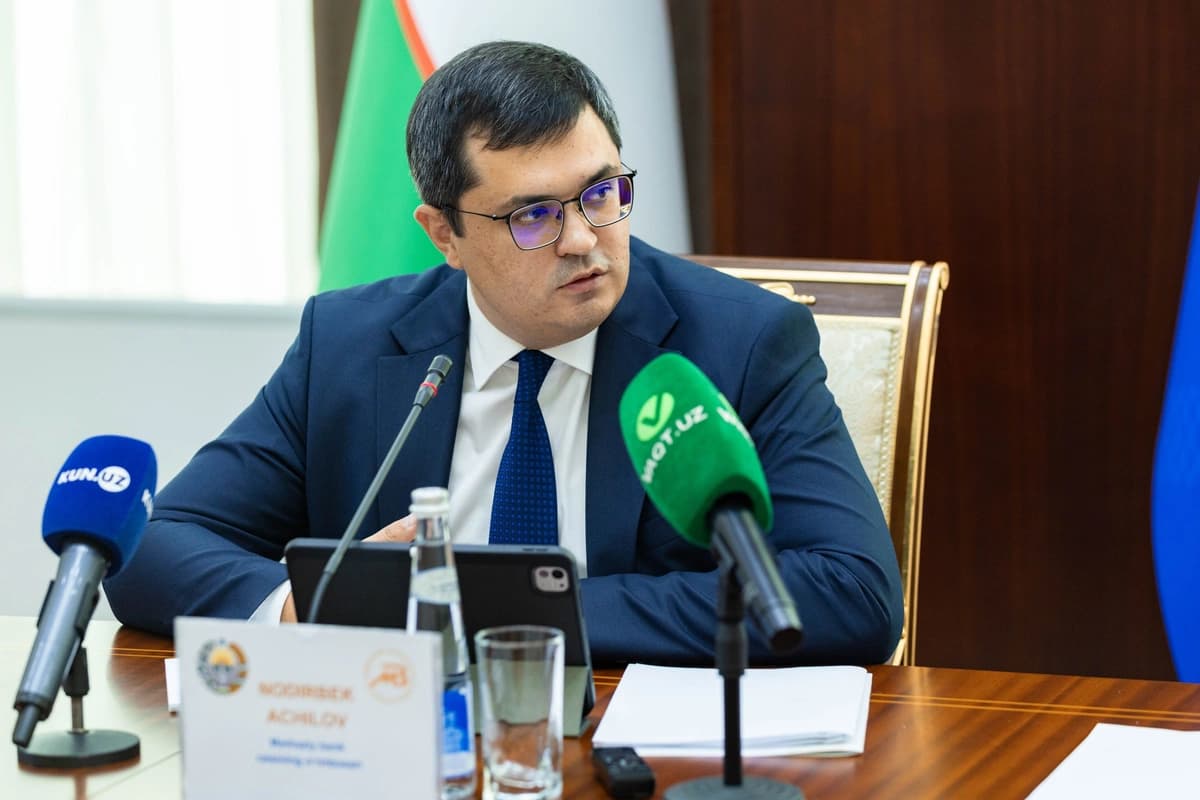
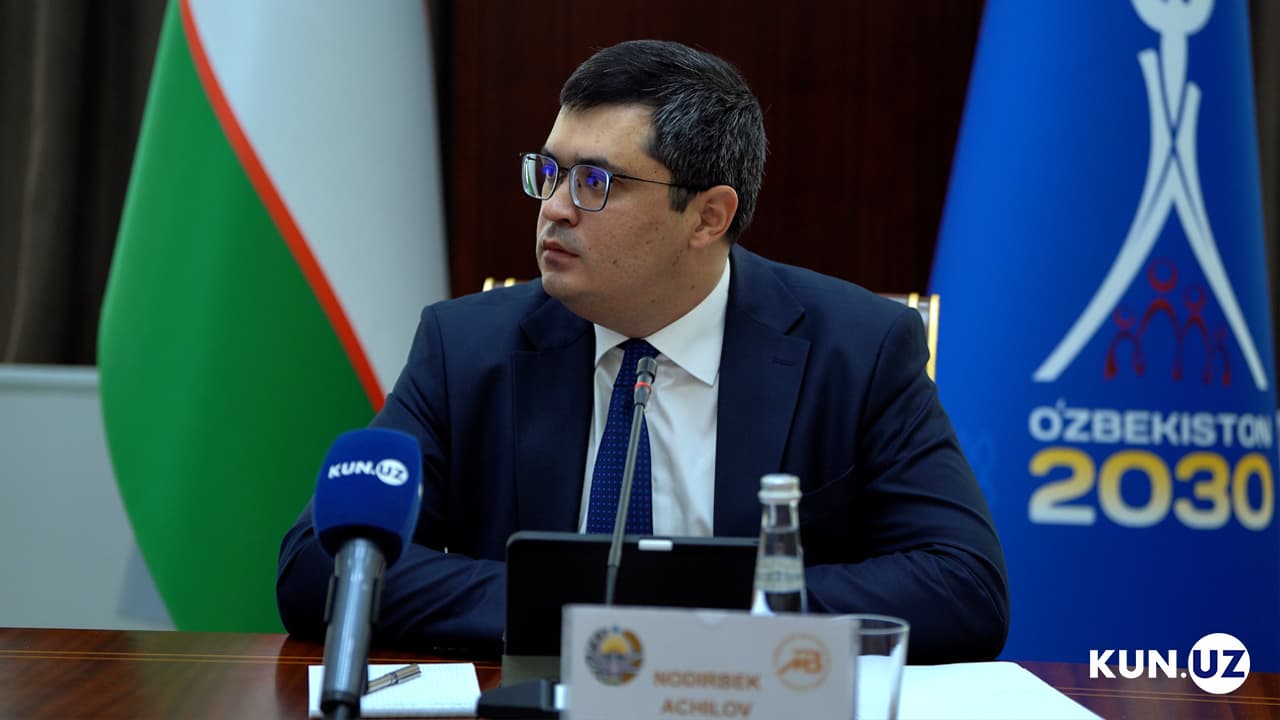
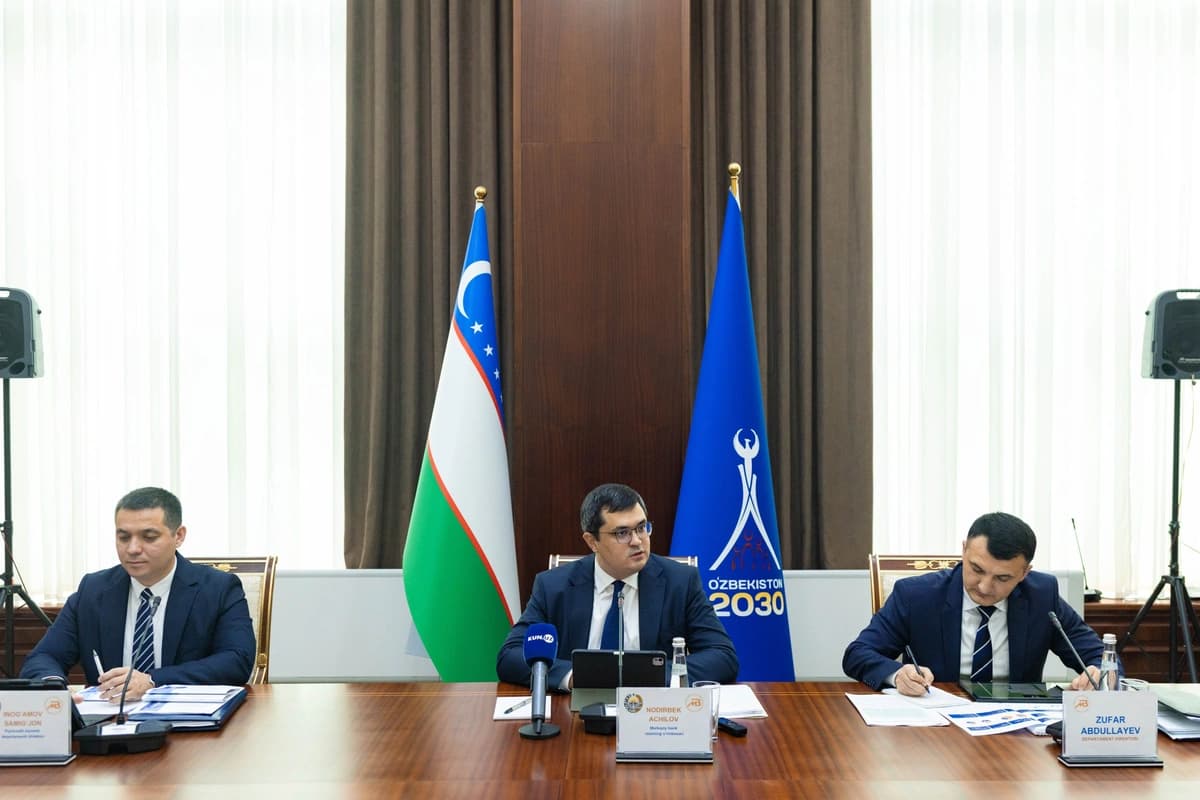
On November 4, the Central Bank of Uzbekistan raised its inflation forecast for the end of 2026 from 6.5% to 7%. The director of the CB's monetary policy department, Samigjon Inogamov, said at a press conferencethat one of the reasons was the expected increase in heating and hot water tariffs: the increase had been factored into the original 6.5% forecast, but the announced parameters turned out to be 'somewhat higher' than expected. First Deputy Chairman of the CB Nodirbek Achilov added that the regulator also factored into the forecast the sharp 2.5-fold rise in liquefied gas prices for the population, while the 5% forecast for the following year already includes all price changes announced to date.
Why the rate was neither raised nor lowered
The same day, the CB board kept the main rate at 14% per annum. According to Achilov, two options were considered at the meeting — keeping the rate or lowering it to 13.5%. The board did not discuss raising the rate because of the tariff increases: the regulator assesses the primary impact of the tariff changes as short-term, one-off and relatively small. At the same time, the decision to keep tight monetary conditions was made, in part, to mitigate secondary effects — the risk of the rise in service prices spreading to other goods and to inflation expectations. Inogamov called the tariff revision one of the important factors in the decision to keep the rate at 14%.
Mitigating measures and the tariffs themselves
Achilov noted that alongside the tariff changes, the government provided social support measures: raising the basic electricity consumption norm from 200 to 350 kWh for non-gasified areas and one-time compensations for families in the Unified Social Protection Registry. In the CB's assessment, these measures should soften the impact of the tariff increases on household incomes and purchasing power.
What changes were proposed
For context: in October, the Ministry of Construction and Housing and Communal Services put forward for discussion a draft government resolution on raising tariffs for centralized heating and hot water supply. For consumers of Veolia Energy Tashkent, the heating cost was proposed to increase by about 30% — from 241.44 to 314 soums per 1 sq. m of heated area per day; the hot water tariff with a meter was also planned to rise by 30% — from 8,928.67 to 11,607 soums per cubic meter. Without a meter, the payment, on the contrary, could have decreased from 52,303 to 45,330 soums per person per month due to a change in the calculation procedure. The new tariffs were scheduled to take effect on November 1, but they have not yet been approved. For comparison: September annual inflation was 6.4% after 6.2% in August; the CB's goal is to sustainably reduce inflation to 5% in the second half of 2027.