The key facts
- The Central Bank links keeping the rate at 14% to the need to contain secondary effects of the tariff increases
- The inflation forecast for the end of 2027 has been kept at 5%
- The rise in propane prices and other tariff changes were described as a one-time factor that will gradually be excluded from calculations
The Central Bank named the condition for easing policy
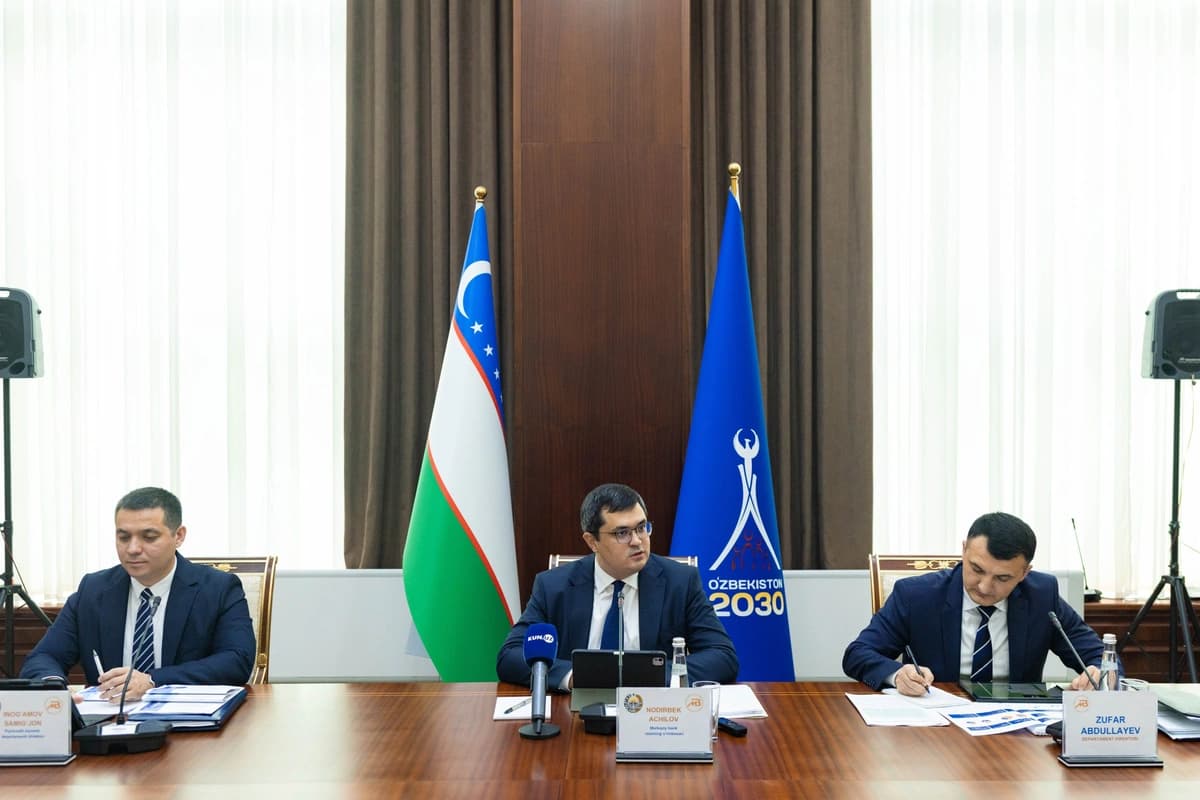
The completion of tariff increase processes will create conditions for lowering the key rate. This was stated on November 4 at a press conference by First Deputy Chairman of the Central Bank Nodirbek Achilov, reports a Spot.uz correspondent. According to him, once the tariff increases are 'brought to their logical conclusion', inflationary pressure from supply-side factors will significantly decrease, and going forward inflation will be driven mainly by external shocks and demand factors.
What belongs to supply-side factors
Achilov attributed to supply-side factors the structural components of inflation related to imports, energy tariffs, and transportation costs. The rise in propane prices and other planned tariff changes, in his assessment, had a one-time effect on inflation, which will gradually be excluded from calculations. At the same time, the regulator kept its inflation forecast for the end of 2027 at 5%.
Why the rate remains at 14% for now
One of the reasons for keeping the key rate at 14% is the need to contain the secondary effects of the tariff increases so that they do not affect inflation expectations and the persistent components of inflation, the deputy chairman of the Central Bank explained. Thus, a rate cut is tied not to a specific date but to the completion of the tariff changes. The editorial team notes: Spot.uz previously reported that the proposed increase in heating and hot water tariffs turned out to be higher than the Central Bank expected — this underscores how much tariff policy is currently influencing the regulator's decisions.