The key facts
- Developing countries' adaptation funding need is about $305 billion a year by 2035; in 2024, $28.2–31.7 billion was provided
- Even tripling funding under the COP30 decision would cover only 20–29% of needs, UNEP notes
- The first round of the “loss and damage” fund received applications totaling $2.8 billion against a starting volume of $342 million
A tenfold gap
Developing countries will need about $305 billion a year by 2035 to adapt to climate change — nearly ten times more than they currently receive from wealthy nations. These estimates come from the UNEP report “Adaptation Gap Report 2026,” titled “Ready? Not.,” published on Wednesday, AFP and Anadolu report. According to the outlets, international public funding for adaptation grew by only about $1 billion between 2023 and 2024, reaching $28.2–31.7 billion in 2024.
Pledges fall short
The 2024 figures fall short of the commitment made at COP26 in Glasgow in 2021: to double adaptation funding to $40 billion a year by 2025 relative to 2019 levels. At COP30 in Brazil, countries called for tripling adaptation funding by 2035, but UNEP notes that this goal is “less ambitious than it seems”: depending on how the decision is interpreted, the amount would be $85–120 billion a year, covering only 20–29% of the needs. UN Secretary-General António Guterres said: “For every dollar developing countries need for adaptation, they receive just 10 cents,” adding that what is lacking is “money — and political will.”
The loss and damage fund and COP31
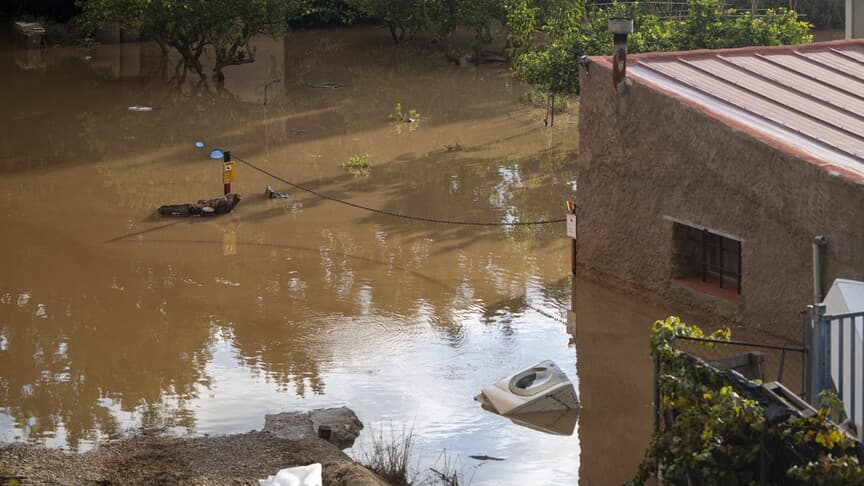
The report also touches on the fund for responding to “loss and damage,” agreed at COP27 in Egypt in 2022. The first funding round received applications totaling $2.8 billion against a starting volume of just $342 million; UNEP notes that the actual size of the shortfall is not yet known. Last month, the fund for the first time allocated money to a specific country — $20 million to Nepal, which suffered from floods. The report calls 2026 a “grim reminder” of climate impacts on everyone — from heat and fires in Europe to the catastrophic flood in Nepal. UNEP Executive Director Inger Andersen warned: “The world is not prepared to adapt to current climate conditions, let alone what exceeding 1.5°C will bring.” The financial issue will be central at the COP31 climate summit in Antalya, to be held on November 9–20 with delegations from nearly 200 countries. UNEP stresses that money alone is not enough: stronger institutions, better coordination and simplified procedures for accessing funding are needed.